Song Meaning
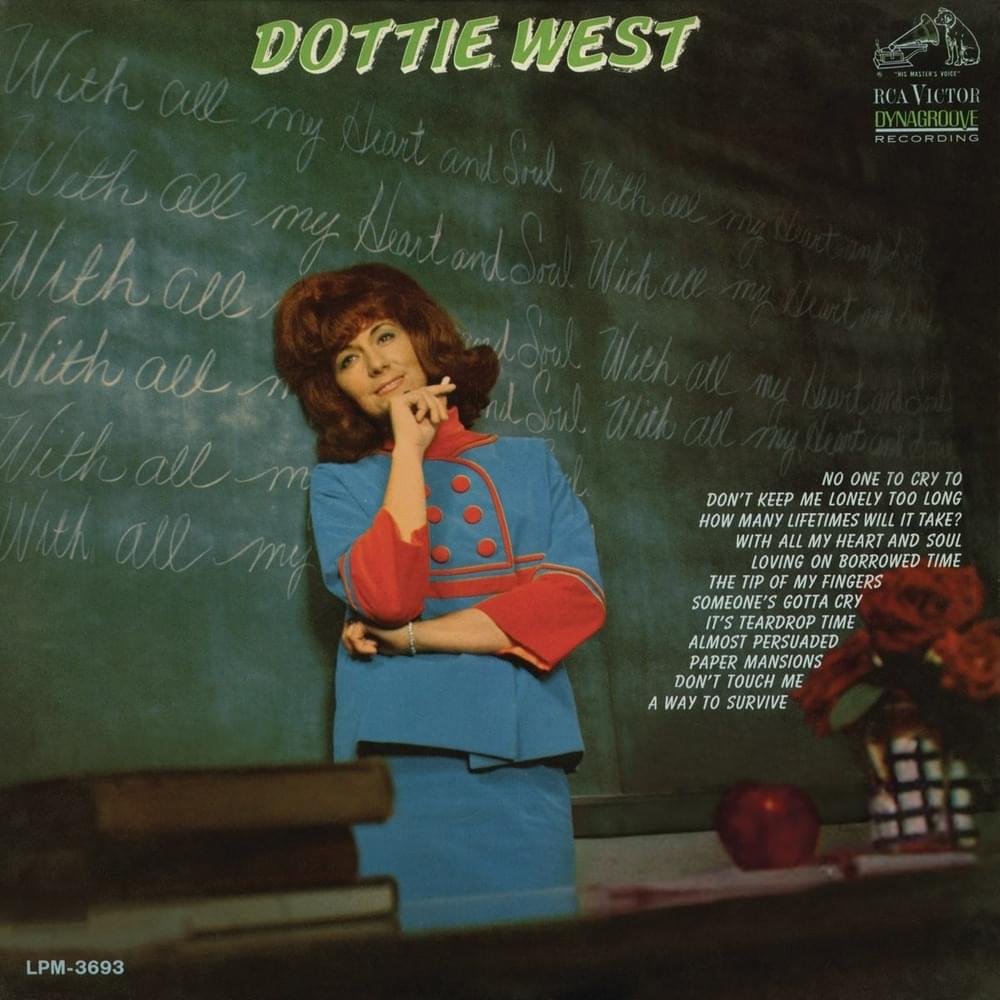
Dottie West's "The Tip Of My Fingers" is a masterclass in country heartbreak, a study in near misses and the agonizing realization of lost potential. The song's central metaphor—holding someone 'right on the tip of my fingers'—perfectly encapsulates the precariousness of nascent attraction. It's that moment before commitment, before the leap of faith, where possibility hangs in the balance. West doesn't just sing about longing; she embodies the frustration of almost having something profound, only to watch it dissipate. The lyrical simplicity amplifies the emotional core: a yearning that never quite materializes. The repetition of 'I let it slip right through my hands' is a brutal admission of agency and regret, a stark contrast to the passivity implied in 'somebody took you when I wasn't looking.'
The song's brilliance lies in its understanding of the psychology of missed connections. It's not merely about unrequited love; it's about the self-sabotage that often accompanies vulnerability. The narrator acknowledges her vision of 'sweet lips yielding beneath my command,' suggesting a desire for control that ultimately undermines genuine connection. This hints at a deeper fear of intimacy, a subconscious push-pull dynamic that prevents her from fully embracing the relationship. The subtle power play inherent in the lyrics reveals a complex emotional landscape, far beyond a simple tale of romantic misfortune. West lays bare the internal conflicts that can lead to heartbreak, painting a portrait of a woman grappling with her own desires and insecurities.
Ultimately, "The Tip Of My Fingers" explores the painful distance between potential and reality. The refrain, 'it's a long long way from the tip of my fingers to the love that's hidden deep in your heart,' emphasizes the insurmountable gap between a fleeting touch and true emotional intimacy. The song meaning resonates because it taps into a universal experience: the agonizing awareness of what could have been, the sting of missed opportunities, and the lingering question of whether our own actions contributed to the loss. Dottie West doesn't offer easy answers or comforting platitudes; instead, she delivers a raw and honest portrayal of the complexities of human connection, solidifying the song's place as a timeless exploration of love and regret.
 View Artist