Song Meaning
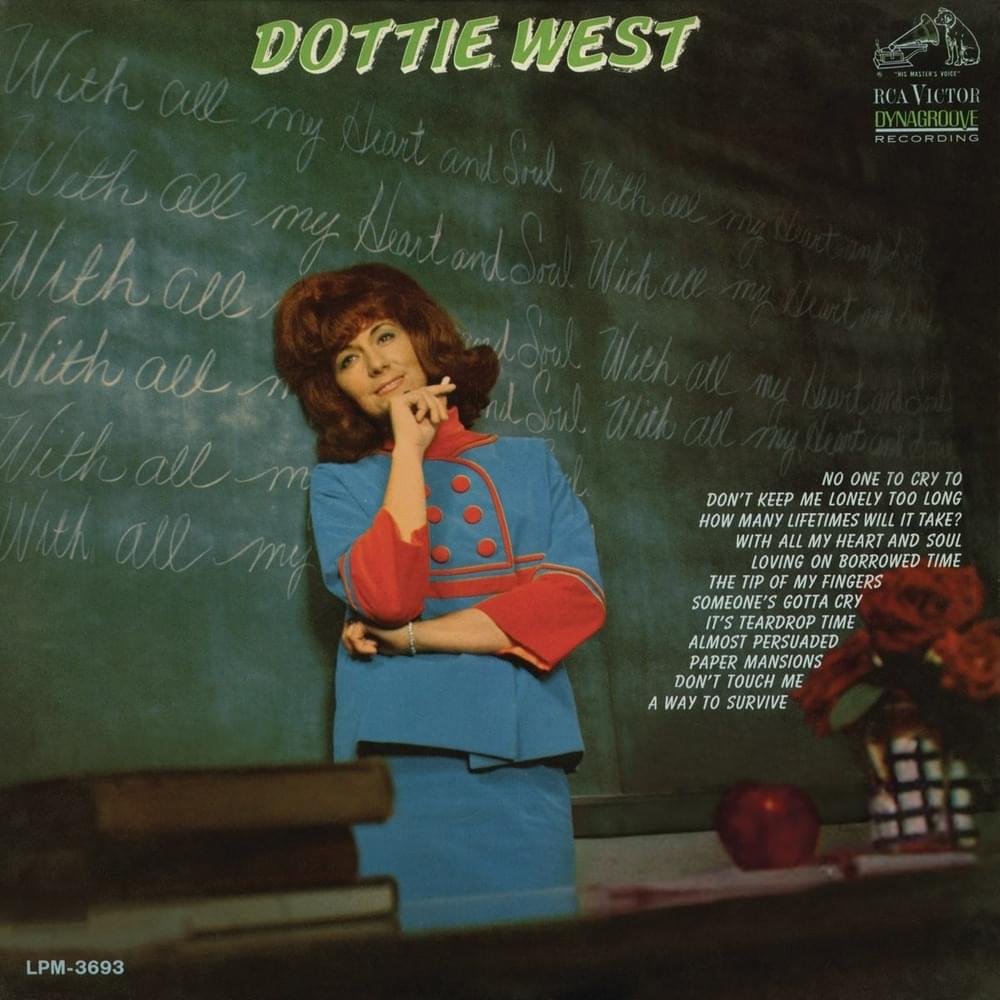
Dottie West's "It's Teardrop Time" isn't just a lament; it's a masterclass in country music's ability to distill heartbreak into its purest, most potent form. The cyclical nature of the pain is evident from the opening lines: "It's teardrop time, I'm all alone again / It's teardrop time, My baby's gone again." This isn't the first rodeo of sorrow for the narrator; it's a recurring event, a grim appointment on her calendar. The song meaning resides not merely in the sadness of lost love, but in the weary resignation that accompanies repeated abandonment. The phrase "teardrop time" becomes a stark, almost clinical diagnosis of her emotional state.
The lyrics hint at the cause of this recurrent heartbreak: "Again he's heard the call from his old flame." There's no ambiguity here. This isn't a misunderstanding or a slow drifting apart; it's a conscious choice by the man to return to a previous love. The metaphor of the "evening train" is particularly effective, suggesting a swift, inevitable departure, a journey he's compelled to take. The narrator is left behind, not through any fault of her own, but as a casualty of a love triangle where she's destined to lose.
What elevates "It's Teardrop Time" beyond a simple tale of woe is the raw vulnerability in lines like "Love lives no more inside this world of mine / Hang on and help me hard." It's a desperate plea for support, an acknowledgement that the pain is almost too much to bear alone. The repetition of this final section emphasizes the narrator's fragility and the depth of her despair. She's not just sad; she's questioning the very existence of love in her world, clinging to any semblance of hope that someone, anyone, can help her endure this latest "teardrop time."
 View Artist