Song Meaning
Dottie West's "Sie auch" isn't just a gospel tune; it's a raw, vulnerable testimony of transformation. The song's core lies in the stark contrast between a state of utter helplessness and the subsequent embrace of faith. The lyrics paint a picture of profound loneliness, comparing the singer to "a baby that cries for its mother," emphasizing a primal need for comfort and guidance. This imagery taps into the universal human experience of feeling lost and adrift, a feeling that resonates regardless of religious affiliation. The repetition of "Then I met the Master / Now I am one of his own" acts as a powerful mantra, underscoring the completeness and belonging found in this newfound spiritual connection. This isn't subtle; it's a full-throated declaration of a life irrevocably altered.
The beauty of "Sie auch" lies in its simplicity. West avoids complex theological arguments, instead focusing on the deeply personal and emotional impact of faith. The line "For all things were changed when he found me / A new day broke through all around me" speaks to a radical shift in perspective. It's not just about believing in something; it's about experiencing a fundamental change in how one perceives the world. The "new day" isn't literal; it represents a spiritual awakening, a shedding of the old self and an embrace of a new identity.
Analyzing the lyrics, the song meaning reveals a journey from dependence to belonging. The initial helplessness gives way to a sense of purpose and connection. West's delivery, presumably filled with conviction, elevates the song beyond a simple statement of faith. It becomes a powerful invitation, a suggestion that such transformation is possible for anyone willing to open themselves to it. "Sie auch" isn't just about Dottie West's experience; it's about the potential for anyone to find solace and meaning in something greater than themselves.
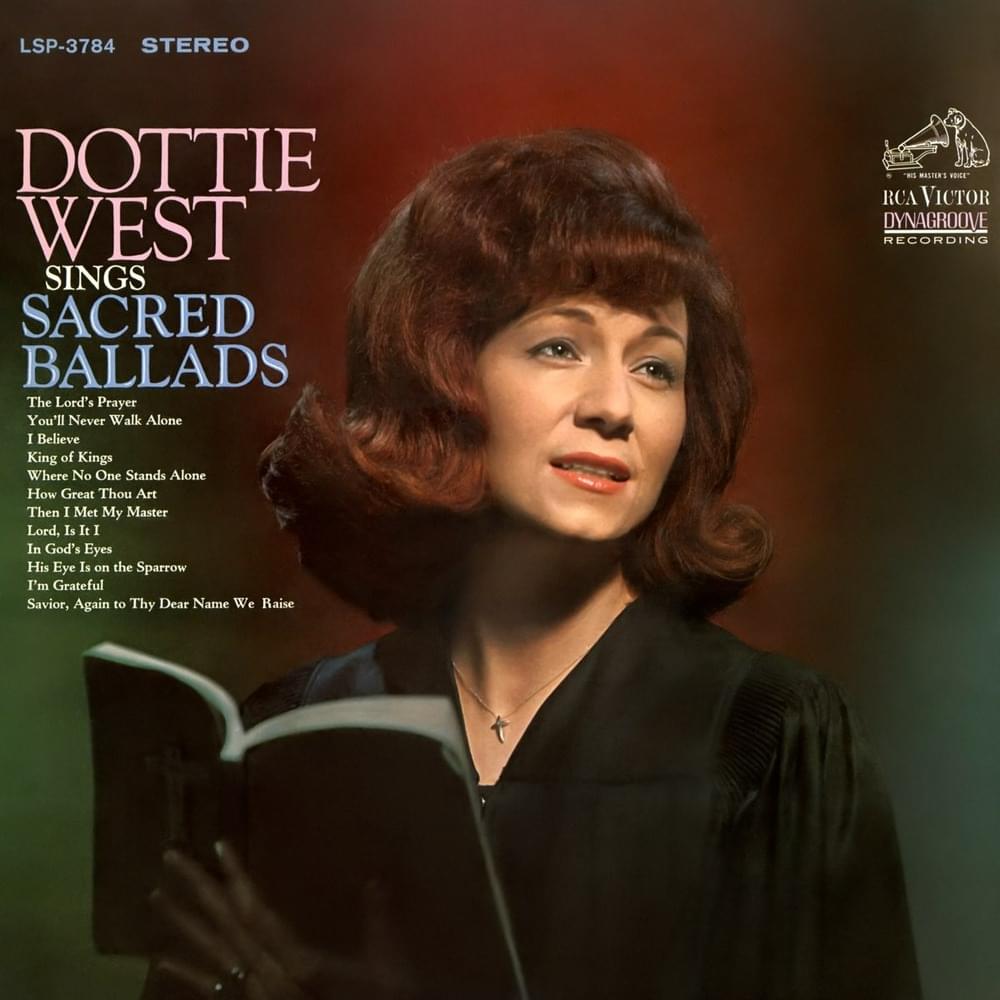
 View Artist