Song Meaning
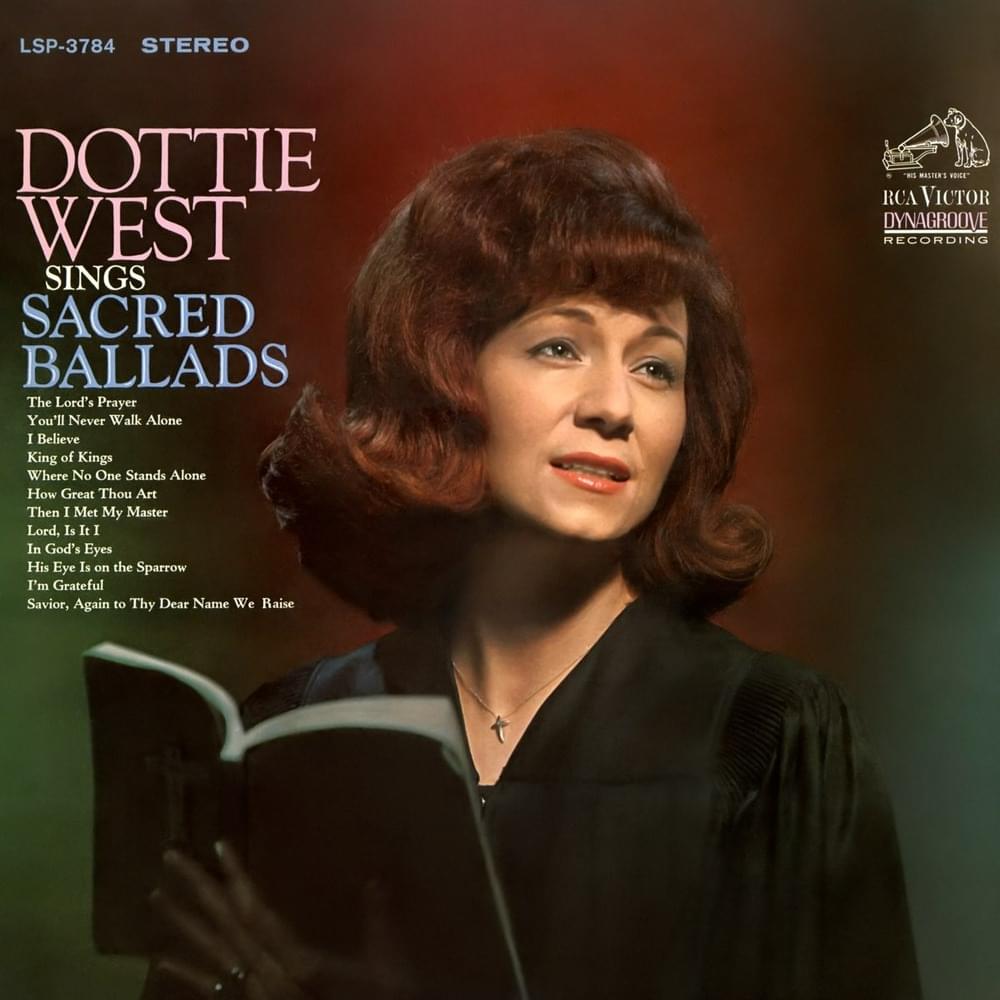
Dottie West's rendition of "His Eye Is On The Sparrow" isn't just a gospel standard; it's a defiant act of self-affirmation. Stripped down to its core, the song grapples with fundamental questions of human worthiness and divine attention. The opening lines, riddled with 'why'—"Why should I feel disgrace?"—immediately establish a tone of wounded vulnerability. It's a plea against the insidious creep of self-doubt, the feeling of being overlooked or unworthy of grace. West isn't passively accepting faith; she's actively wrestling with the reasons *why* faith is necessary in the first place. The mention of a "heavenly home" hints at an earthly struggle, a desire for solace from present hardships.
The chorus, however, flips the script. The repeated assertion, "His eye is on the sparrow, and I know he cares for me," becomes a powerful mantra. It's not just a statement of belief, but a conscious choice to find comfort and validation in a higher power. The sparrow, a creature often perceived as insignificant, becomes a symbol of God's all-encompassing love and attention. This resonates deeply with the psychology of finding worth in unexpected places, of challenging societal norms that dictate who deserves attention and care. The lyrics suggest that even in moments of profound loneliness or despair, there is a constant, unwavering presence watching over us.
Ultimately, "His Eye Is On The Sparrow" transforms personal anxiety into communal hope. The shift from "me" to "you and me" in the final line expands the song's scope, offering solace not just to the singer, but to anyone grappling with feelings of insignificance. The act of singing itself becomes an act of liberation: "I sing because my soul is happy, and I sing because I'm free." It's a celebration of faith as a source of inner strength, a way to reclaim agency and find joy even in the face of adversity. Dottie West's delivery imbues the song with a raw emotionality, transforming it from a simple hymn into a testament to the enduring power of belief.
 View Artist