Song Meaning
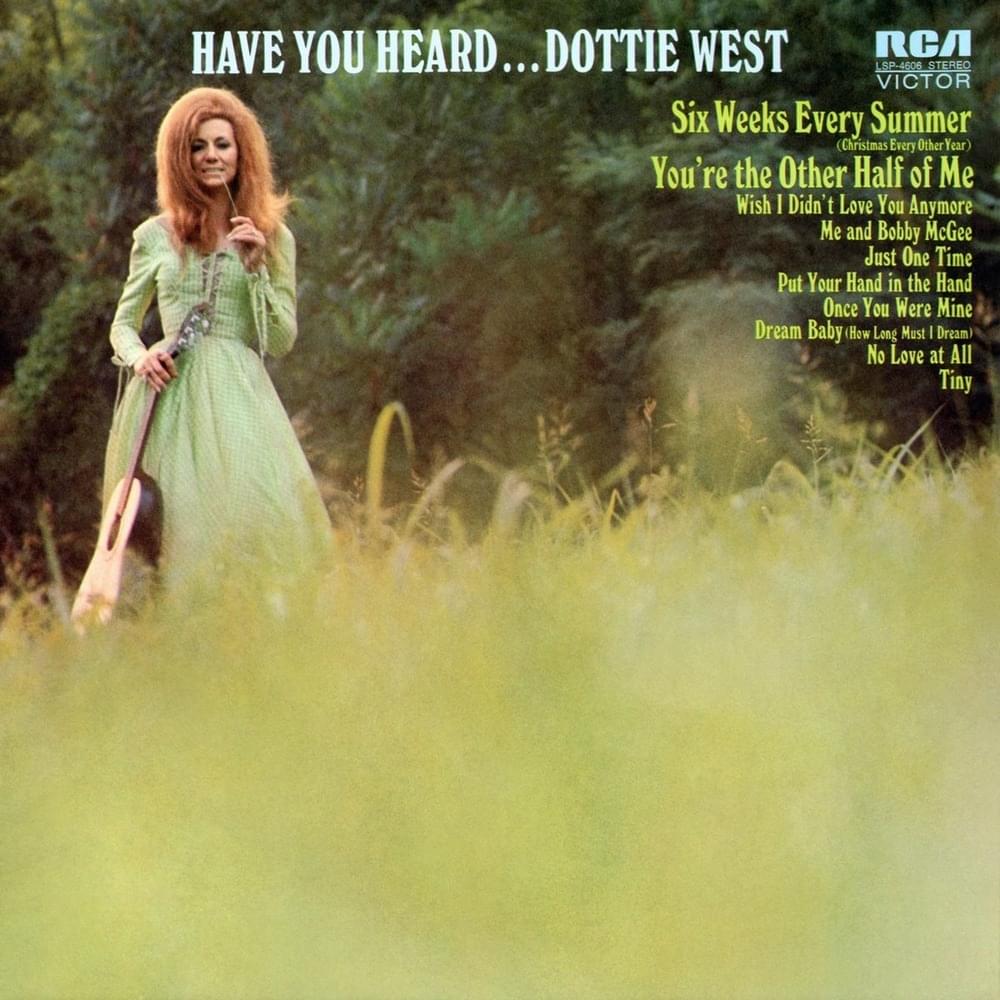
Dottie West's "Once You Were Mine" isn't just a lament; it's a study in the complex, often self-deceptive, architecture of heartbreak. The song opens with familiar tropes of sadness—blue skies, weeping willows—yet quickly pivots to a more profound sense of personal failing. It's not merely that love is lost, but that the singer feels responsible, admitting she "was blind." This acknowledgement elevates the song beyond simple sorrow; it introduces a layer of self-awareness that's both compelling and subtly devastating. The lyrics suggest a love that was intensely physical and emotionally profound, described through rich tactile imagery: "softer than velvet," "smoother than satin."
The middle section briefly gestures at past relationships, only to dismiss them as insignificant. This contrast emphasizes the unique and irreplaceable nature of the lost love, highlighting the chasm it has left behind. It wasn't "just a game," West sings, underscoring the perceived sincerity and depth of the connection, which further intensifies the pain of its dissolution. There’s a palpable sense of disbelief, a struggle to reconcile the idealized memory of the relationship with the reality of its ending.
Ultimately, “Once You Were Mine” finds a strange solace in memory. The repetition of the final line – “And rejoice to think once you were mine” – is particularly striking. It's not necessarily a statement of happiness, but rather a coping mechanism, a way to reframe loss as a possession, albeit one confined to the past. The rejoicing feels almost defiant, a refusal to let the pain completely erase the joy that once existed. The song becomes a testament to the enduring power of memory, even when that memory is tinged with profound sadness and regret.
 View Artist