Song Meaning
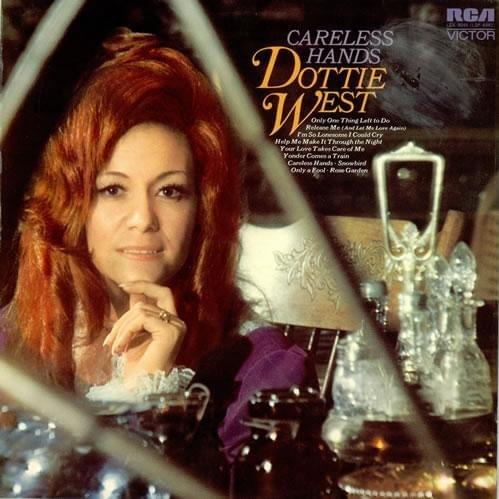
Dottie West's "Careless Hands" isn't just a lament; it's a carefully constructed warning shot fired across the bow of a relationship sinking fast. The song's core metaphor, "careless hands," speaks volumes about the negligent treatment of something precious – in this case, the singer's heart and dreams. It’s a pointed accusation of emotional mishandling, suggesting a partner who doesn’t grasp the fragility of love, treating it instead like "worthless springs of sand," easily spilled and lost. This isn't about malice, but something perhaps more insidious: a lack of awareness, an inability to cherish. The lyric implies a fundamental incompatibility in how each person approaches the relationship's emotional landscape. The partner's carelessness is like a self-fulfilling prophecy, dooming the connection through sheer neglect.
West doesn't shy away from acknowledging the initial joy the relationship brought. The line "You've brought me joy, and oh I loved you so" is crucial. It establishes that this isn't a case of bitterness from the start, but a heartbreak born of squandered potential. This admission heightens the sense of loss and emphasizes the singer's deep investment in the relationship's success. It's a mature perspective, recognizing the good while refusing to excuse the bad. The contrast between past joy and present sorrow underscores the devastating impact of the partner's carelessness. The line "all that sunshine didn't make roses grow" is a potent image of infertility and wasted potential.
The final verse shifts the focus from lament to prediction. It's no longer just about what's been lost, but what the future holds for the "careless hands." West’s tone transforms from wounded to cautionary, suggesting the partner will eventually face the consequences of their actions: "If you don't change, someday you'll know the sorrow." This isn’t a curse, but a psychologically astute observation. The song's meaning, therefore, lies not just in heartbreak, but in the recognition of a destructive pattern and the inevitable pain it will cause, not just to the singer, but eventually to the one wielding the "careless hands."
 View Artist