Song Meaning
Dorival Caymmi's "Sábado em Copacabana" isn't just a song; it's a postcard from paradise, dipped in the melancholic longing that only Brazilian *saudade* can provide. The track serves as an anthem to the weekend release, a pressure valve for the soul after a week of labor. But this isn't just about blowing off steam; it's about the ritualistic pursuit of joy, specifically within the geographically defined parameters of Copacabana. The lyrics sketch a carefully curated itinerary: the beach stroll, the dimly lit bar, the promise of romance, all contained within the singular, almost mythical space. Copacabana, in Caymmi's vision, isn't just a location; it's a state of mind. The repetition of the place name hypnotically emphasizes its central role as both setting and solution. It’s where the week's burdens are shed and where the possibility of connection flickers into existence.
But beneath the surface of sun-kissed leisure lies a deeper psychological current. The speaker's anticipation of this Saturday night—"Eu esperei por essa noite uma semana"—highlights the cyclical nature of desire and fleeting fulfillment. The week's labor is not just a means to an end (the weekend), but also the very engine that fuels the desire for escape. The song's structure, with its escalating promises of pleasure (dinner, dancing, love), mirrors the human tendency to project hopes and dreams onto external experiences. Copacabana becomes a canvas onto which the speaker paints his desires, a temporary sanctuary from the monotony of daily life. The quick passage of time—"A noite passa tão depressa"—underscores the bittersweet reality of these fleeting moments of joy.
Ultimately, "Sábado em Copacabana" is a testament to the power of place and the human need for ritual. The final lines, hinting at the search for "um novo amor" (a new love), suggests a recognition of the temporary nature of these weekend escapes. The song hints at the cyclical nature of seeking pleasure, implying that the speaker will inevitably return to Copacabana the following week, driven by the same desires and the same longing. It’s less about finding lasting love and more about the ongoing quest, the persistent hope that a new Saturday night in Copacabana might hold the key to happiness. The song captures the inherent human tension between the desire for lasting fulfillment and the acceptance of fleeting joy. It’s a beautiful, sun-drenched meditation on the human condition, set against the iconic backdrop of a Brazilian paradise.
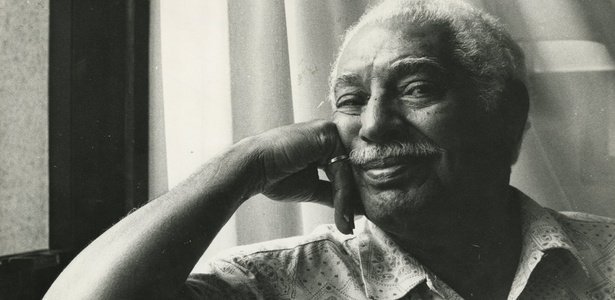
 View Artist