Song Meaning
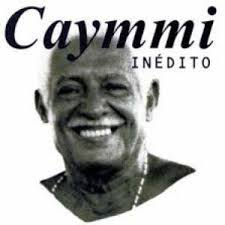
Dorival Caymmi's "Acalanto" isn't just a lullaby; it's a masterclass in the psychology of comfort, layered with a disquieting undercurrent. The literal translation paints a simple picture: it's late, morning approaches, everyone sleeps, and the singer watches over a child, urging them to sleep before the "boi da cara preta" (black-faced ox) comes to get them. But within this seemingly gentle scene lies a complex interplay of love, fear, and cultural conditioning. The lyrics weave a spell, not just with assurances of safety ("Papai vai lhe ninar!") but also with the subtle threat of a mythical creature. This juxtaposition is key to understanding the song's enduring power. It mirrors the way many cultures, even today, temper affection with cautionary tales, instilling obedience through a blend of tenderness and apprehension. Caymmi understood that the path to slumber is rarely a straight line, and sometimes a little shadow play can be just as effective as pure light. The repetition of the "Boi, boi, boi" verse drills the message home, embedding the image of the ox deep within the child's subconscious, creating a lasting association between sleep and safety, albeit a safety tinged with the potential for something darker. The song meaning, therefore, transcends a simple bedtime story; it becomes a cultural artifact, reflecting the intricate ways societies shape young minds. The angels ceasing their singing and going to sleep further reinforces the message, suggesting that even the most heavenly beings need rest and that the world outside is a place of potential danger, requiring constant vigilance. This parental watchfulness, tinged with folklore, is the core of "Acalanto."
 View Artist