Song Meaning
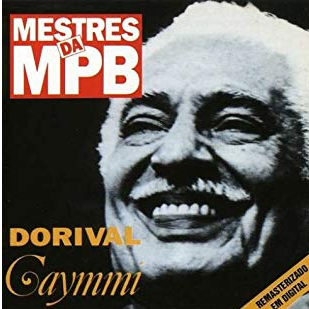
Dorival Caymmi's "Nunca Mais" isn't just a song; it's a masterclass in bittersweet finality. The opening lines, almost conversational in their directness ("Eu tentei te escrever / Mas depois desisti"), immediately establish a sense of weary resolve. He's bypassing the formality of a letter, opting instead for a raw, face-to-face confrontation. The repetition of "é melhor" (it's better) isn't an assertion of happiness, but a mantra of self-preservation, a desperate attempt to convince both himself and his departing lover that this severing is necessary. It's a clinical assessment masking a deeply personal wound.
The core of the song meaning lies in the stark declaration, "Nunca mais vou querer o teu beijo / Nunca mais." The repeated "nunca mais" (never again) isn't delivered with anger, but with a profound sense of loss. It acknowledges the intoxicating power of the relationship, the allure of a kiss that once held him captive. He's not denying the past, but steeling himself against its siren call. The almost pleading tone reveals the internal struggle between the desire for reconciliation and the necessity for closure.
The bridge reveals the backstory of cyclical returns: "Uma vez me pediste sorrindo / E eu voltei / Outra vez me pediste chorando / Eu voltei." This paints a portrait of a relationship defined by emotional manipulation, where Caymmi repeatedly succumbed to his lover's pleas. The volta, "Mas agora não posso, não quero / Nunca mais," signifies a breaking point. The catalyst remains unspoken, but the final line, "O que tu me fizeste amor / Foi demais" (What you did to me, my love, was too much), hints at a deep betrayal or a pattern of behavior that finally exhausted his capacity for forgiveness. "Nunca Mais" is a brutal self-reckoning, a necessary amputation to prevent further emotional damage.
 View Artist