Song Meaning
This song opens with a striking image of a queenly figure appearing, described with regal and detailed attire like "sianinha" and "fileira de botão." The narrator immediately elevates her status, praising her dress and declaring himself "às suas ordens," framing the encounter as one of humble devotion to nobility.
The initial admiration quickly shifts to a complex emotional landscape as the narrator recounts the consequences of this encounter. What began as a declaration of service blossoms into a passionate, yet ultimately painful, relationship that results in a child. The phrase "Quase me levou à morte" suggests the profound, almost fatal, toll this experience took on him, hinting at a struggle far beyond simple courtship.
The lyrics then pivot to a stark assessment of what remains: "O que sobrou de nós dois / Não dá nem pra repartir." This highlights a complete dissolution of the relationship, leaving behind only fragments. The most poignant revelation comes with the observation of the child's features, which the narrator recognizes as a reflection of his own "estória" – a narrative of suffering that has been "acobertado de glória," or masked by a veneer of past glory or perhaps the initial idealized perception of the woman.
This narrative arc, from idealized adoration to the painful recognition of inherited hardship in his child, is what gives the song its emotional weight. The contrast between the initial "rainha" and the final "sofrer que vem de longe" underscores a profound disillusionment, where the perceived nobility of the past is revealed to be a cover for a long-standing cycle of pain.
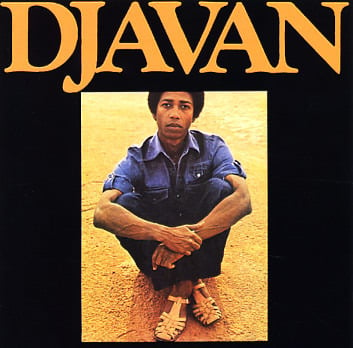
 View Artist