Song Meaning
The lyrics paint a picture of a bleak morning where the ability to express oneself through song feels impossible. The narrator laments that there's nothing left to sing that can either soothe or be taken back, and crucially, no freedom to choose the right music for dancing. This sets a tone of resignation and a loss of agency, suggesting a forced participation in a joyless ritual.
The central tension arises from the contrast between the expected vibrancy of samba and the narrator's inability to find a fitting song or the right to choose one. The phrase "cumprir a mesma pena" (to serve the same sentence) implies a repetitive, inescapable obligation. This isn't about enjoying a dance; it's about enduring a prescribed, uninspired performance.
The most striking element is the repeated command to "aprender sambar dobrado" (learn to samba doubled/folded). This phrase is ambiguous but suggests a complex, perhaps unnatural or overly intricate way of dancing, or even a double-dealing, insincere performance. It's something that doesn't require rehearsal because the underlying lack of genuine feeling makes the execution of the steps inherently the same, regardless of effort.
This piece hits hard because it captures a feeling of being trapped in a hollow performance, where even the act of dancing, usually an expression of freedom, becomes a monotonous sentence. The lyrics suggest that true expression is stifled, leaving only a prescribed, unconvincing imitation of joy.
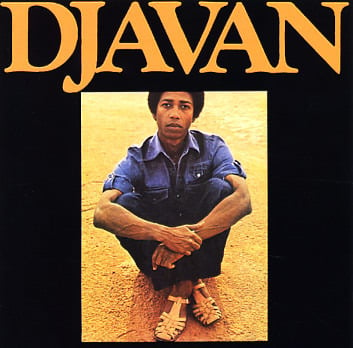
 View Artist