Song Meaning
The lyrics paint a complex, almost violent picture of love, presenting it not as a gentle embrace but as a dangerous force. It's described as a trap, a circling wolf, and a lightning strike that reshapes the landscape. This initial framing immediately sets a tone of caution and unpredictability, suggesting love's power to both sustain and destroy.
The central tension lies in the dual nature of love – its capacity for immense creation and devastating destruction. The imagery of love as a wolf feeding its pack contrasts with the idea of it being a trap, highlighting its inherent paradox. The comparison of love's arrival to escaping an island emphasizes a sense of desperate flight, while its ability to both 'engorda' (fatten) and 'mata' (kill) underscores its volatile essence.
The writing masterfully employs striking metaphors to convey love's impact. Love is likened to lightning, capable of opening fissures and stirring rivers, suggesting its disruptive and transformative power. The narrator also connects love to the contrasting elements of a lemon's purity and a thorn's solitude, and later, to the moon waning, all pointing to a sense of incompleteness and inevitable loss. The final lines, 'E o coração de quem ama / Fica faltando um pedaço,' directly articulate this feeling of absence.
This lyrical approach is effective because it grounds abstract emotions in visceral, often harsh, natural imagery. The narrator doesn't shy away from love's darker aspects, instead confronting them head-on with vivid comparisons. This creates a powerful resonance, acknowledging the pain and incompleteness that can accompany deep affection, making the final sentiment of a missing piece feel earned and profound.
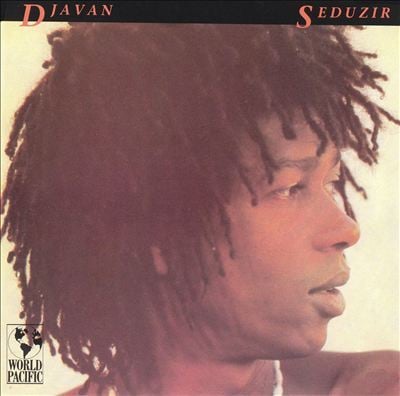
 View Artist