Song Meaning
The lyrics paint a picture of someone trying to connect with others, or perhaps with a past self, while hiding deep emotional wounds. There's a stark contrast between a "manmen no emi" (full smile) and "kakushi kirenai kizu" (unhideable wounds), suggesting a facade of happiness that can't quite mask underlying pain. The narrator seems to be reaching out, asking "Kotae ga hoshii" (wanting answers) from a "kuu-zō" (empty image), implying a search for meaning or validation in something hollow.
The central tension appears to be the struggle between presenting a polished exterior and the inability to fully conceal internal damage. The phrase "Narete kuru hazu / Sa narete kita?" (It should be getting used to it / Have you gotten used to it?) hints at a weariness with this struggle, a questioning of whether the pretense has become ingrained or if the pain has simply become normalized. This internal conflict is amplified by the image of a "hanataba ga warau" (bouquet laughs) placed "michi ni soeta" (along the road), which feels like a mocking or detached observation of life's offerings or perhaps the narrator's own attempts at connection.
A striking element is the recurring imagery of looking from unexpected places, like peering through a "manhōru" (manhole) and asking "kimitachi mo oide?" (won't you come too?). This suggests a perspective from the fringes, a desire to draw others into a hidden or less-than-ideal reality. The narrator also turns their "hane no nai se" (wingless back) to a "kobamu mirai" (rejecting future), indicating a reluctance to move forward or an inability to escape their current state.
Ultimately, the effectiveness of these lyrics lies in their melancholic portrayal of hidden suffering and a yearning for understanding. The juxtaposition of outward smiles with unseen scars, the questions posed to empty spaces, and the detached, almost surreal imagery create a potent sense of isolation and a quiet desperation. The final lines, "Dare mo ga miyou to shinai sono hanataba ga / Mitsumeta mirai" (The future that bouquet, which no one tries to see, gazed upon), leave a lingering impression of unacknowledged hopes or dreams, observed only by something that seems to mock or pity.
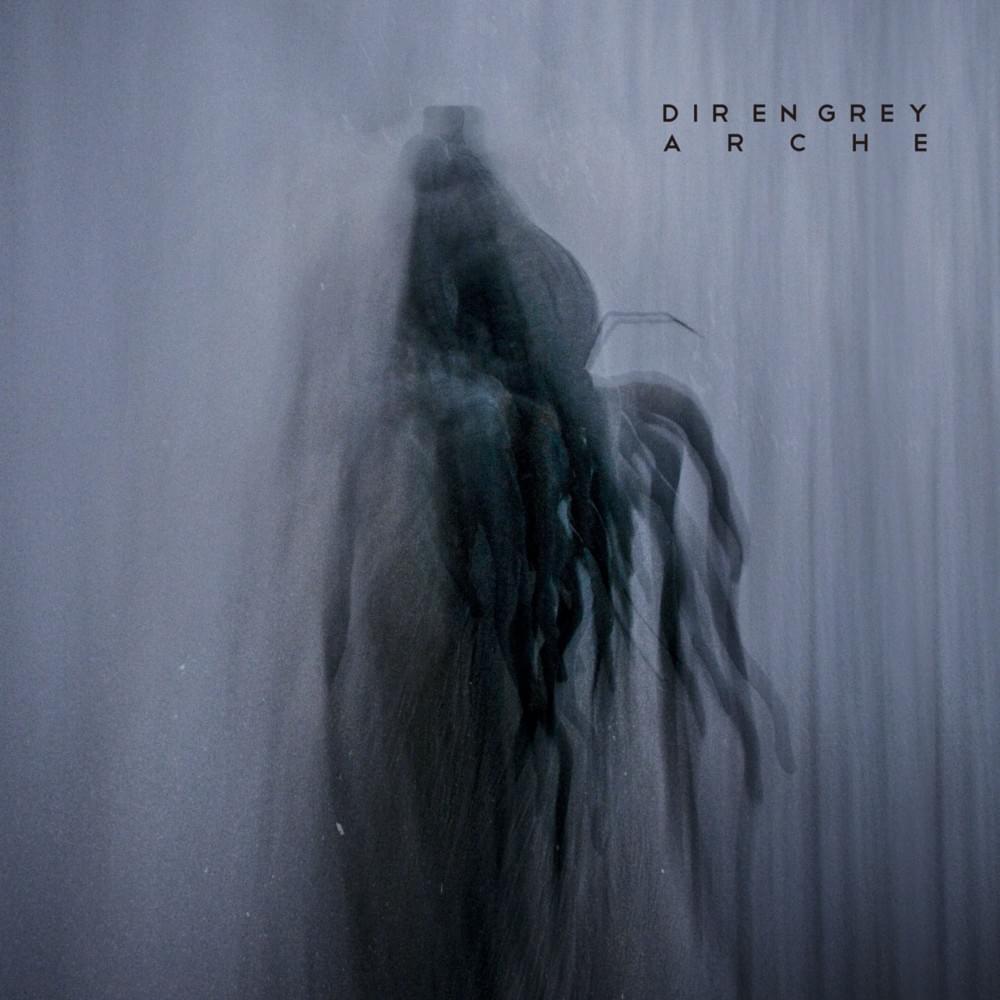
 View Artist