Song Meaning
These lyrics paint a stark picture of profound loss, where a speaker grapples with the permanent absence of their beloved. The scene is one of quiet, domestic despair, marked by the futility of waiting for a loved one who will never return. A heavy, pervasive sadness settles over every moment.
The central emotional tension here stems from the personification of grief itself. "Old Man Sorrow" isn't just an emotion; he's a constant, unwelcome companion. He whispers during prayers, watches during work, and even lies in bed, making the internal pain an external, inescapable presence. This vivid imagery suggests that sorrow has become a physical entity, an intrusive shadow that clings to the speaker's every move.
The craft truly shines in how "Old Man Sorrow" infiltrates the most intimate and mundane aspects of life. The speaker doesn't mind work, acknowledging that "Work and me is travelers" on a long journey, yet Sorrow is "watchin' all the way." This contrast highlights the relentless nature of grief, which overshadows even the resilience found in labor. The lyrics suggest that this profound loss doesn't just bring sadness; it also brings a sense of accelerated aging, as Sorrow tells the speaker, "I'm old now / Since I lose my man."
Ultimately, these lyrics are effective because they transform an abstract, overwhelming feeling into something tangible and deeply personal. By giving grief a name and a physical presence, the writing makes the speaker's suffering palpable. The simple, direct language and specific domestic images ground the immense sorrow in a relatable reality, making the experience of enduring loss resonate with raw, unvarnished power.
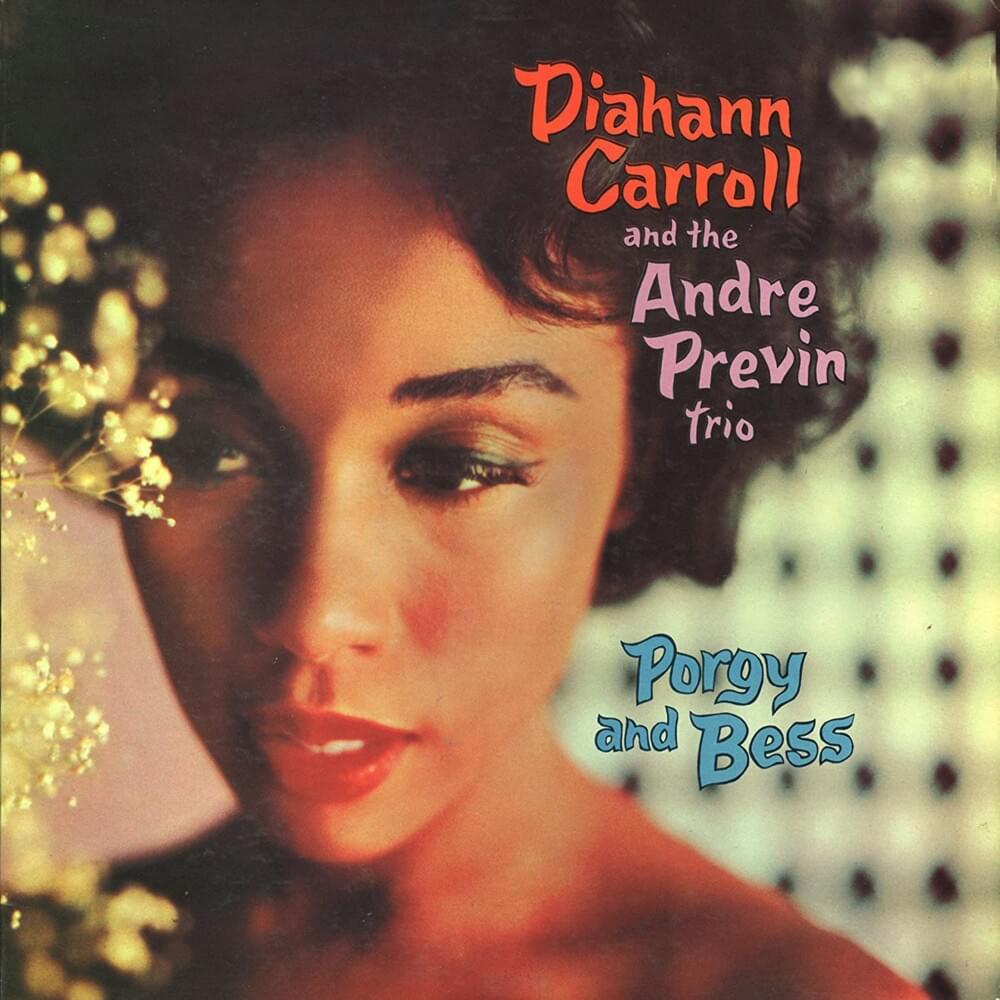
 View Artist