Song Meaning
The narrator is confronting a lover who withholds crucial information, framing it as a betrayal of natural order. The repeated assertion, "You don't tell me," acts as a refrain against a series of self-evident truths. We're shown that certain things are innate or universally understood – a child knows milk, a fish knows water, an Englishman knows tea. These examples build a case that the lover's silence on matters of affection or approaching intimacy is not just an oversight, but a deliberate withholding of something fundamental.
The core tension lies in the narrator's sudden, sharp awareness of this deception. The shift from "green as May" to being "wise to certain symptoms" marks a loss of innocence, a painful realization that the lover's actions or words (or lack thereof) are calculated. This isn't about learning a new skill; it's about recognizing a pattern of manipulation or neglect in the relationship's emotional landscape.
The lyrics cleverly use natural and cultural inevitabilities to highlight the unnaturalness of the lover's silence. Teaching a kid to drink milk is absurd because it's instinctual; similarly, the narrator implies that openness about affection should be equally natural. The contrast between these obvious truths and the lover's deliberate omission creates a powerful sense of grievance and betrayal.
This hits hard because it taps into the universal frustration of feeling deliberately kept in the dark by someone close. The narrator’s growing understanding, coupled with the lover's continued silence, creates a palpable sense of isolation and hurt. The final plea, "Go tell your brother, go tell your sister / But don't, you don't tell me!" underscores the deep personal wound inflicted by this specific exclusion.
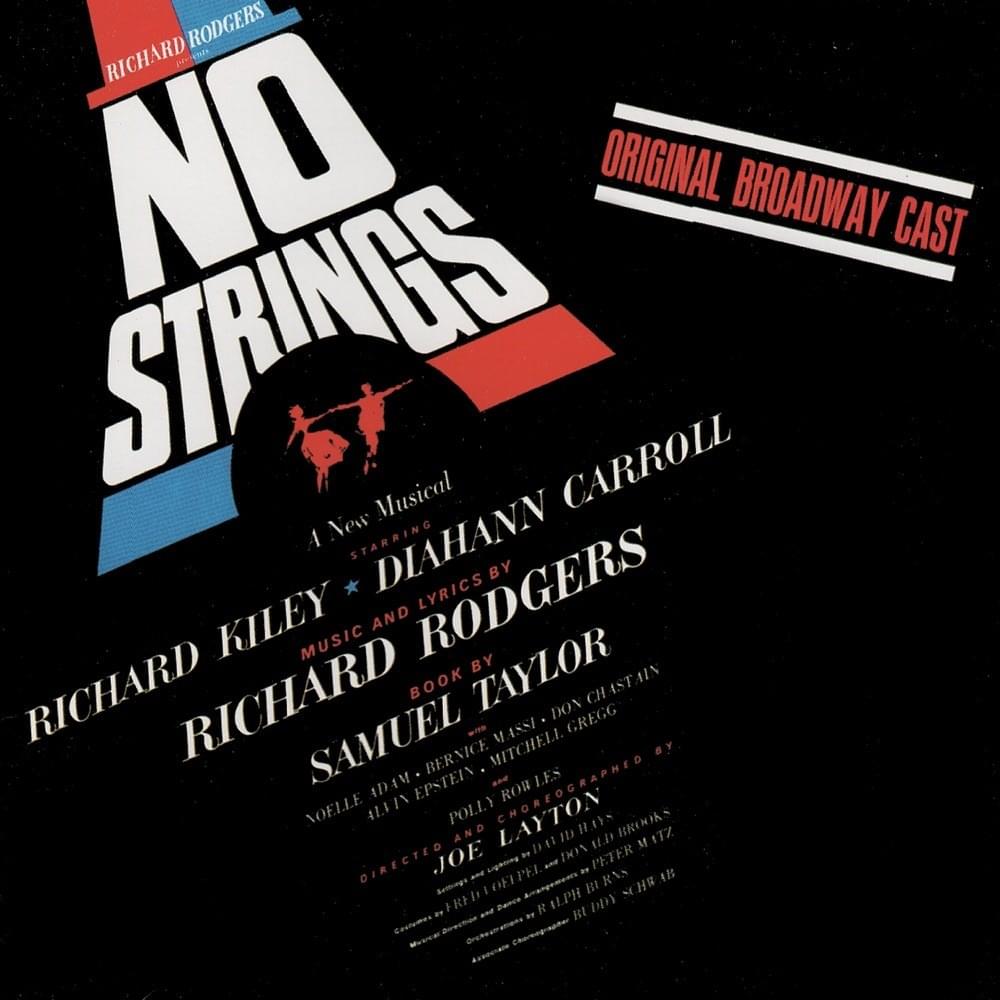
 View Artist