Song Meaning
The lyrics present a raw, almost desperate plea from Bess, questioning her partner's continued interest in her. The opening lines immediately establish a sense of insecurity, with Bess herself acknowledging her perceived decline: "She's gettin' old now." This sets up a stark contrast with the implied needs of "Crown," suggesting a desire for youth and vitality that Bess feels she no longer possesses. The repeated question, "What you want with Bess?" underscores this deep-seated doubt.
The central tension lies in Bess's awareness of her own perceived shortcomings and her partner's potential for infidelity or dissatisfaction. She details a history of subservience, describing herself as someone who would "whistle and there I was / Back again, lickin' your hand." This imagery paints a picture of unconditional devotion, yet it's framed by her own admission that "There's plenty better lookin' gals than Bess." The five years she's been his woman seem to weigh heavily, not as a testament to their bond, but as a measure of her prolonged, perhaps unreciprocated, commitment.
The most striking aspect of the writing is its unflinching self-deprecation. Bess doesn't just suspect she's inadequate; she states it plainly, even as she highlights her own loyalty. The physical descriptions in the bridge – "Look at this chest / And look at these arms you got" – could be interpreted as a plea for her partner to see her enduring qualities, but they are immediately undercut by her own narrative of being easily replaced. The repetition of "you know how it's always been with me" suggests a familiar, perhaps even cyclical, pattern of insecurity and dependence.
Ultimately, the effectiveness of these lyrics stems from their brutal honesty and the vulnerability they expose. Bess's internal monologue, externalized as a direct question to her partner, captures a painful moment of self-doubt. The raw language and the feeling of being on the precipice of abandonment, despite years of devotion, create a potent emotional resonance. The final, repeated plea, "Oh, let me go to my man," suggests a desire for freedom from this cycle of uncertainty, even if it means leaving the relationship altogether.
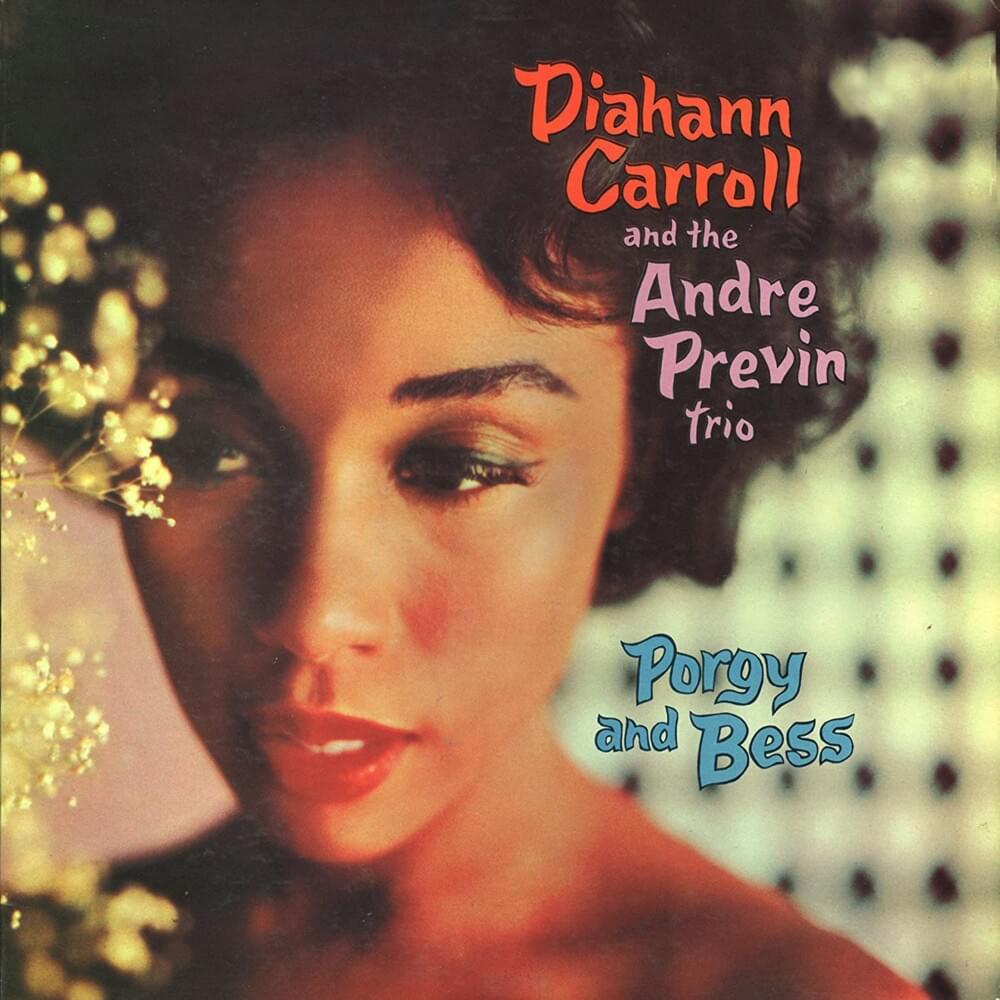
 View Artist