Song Meaning
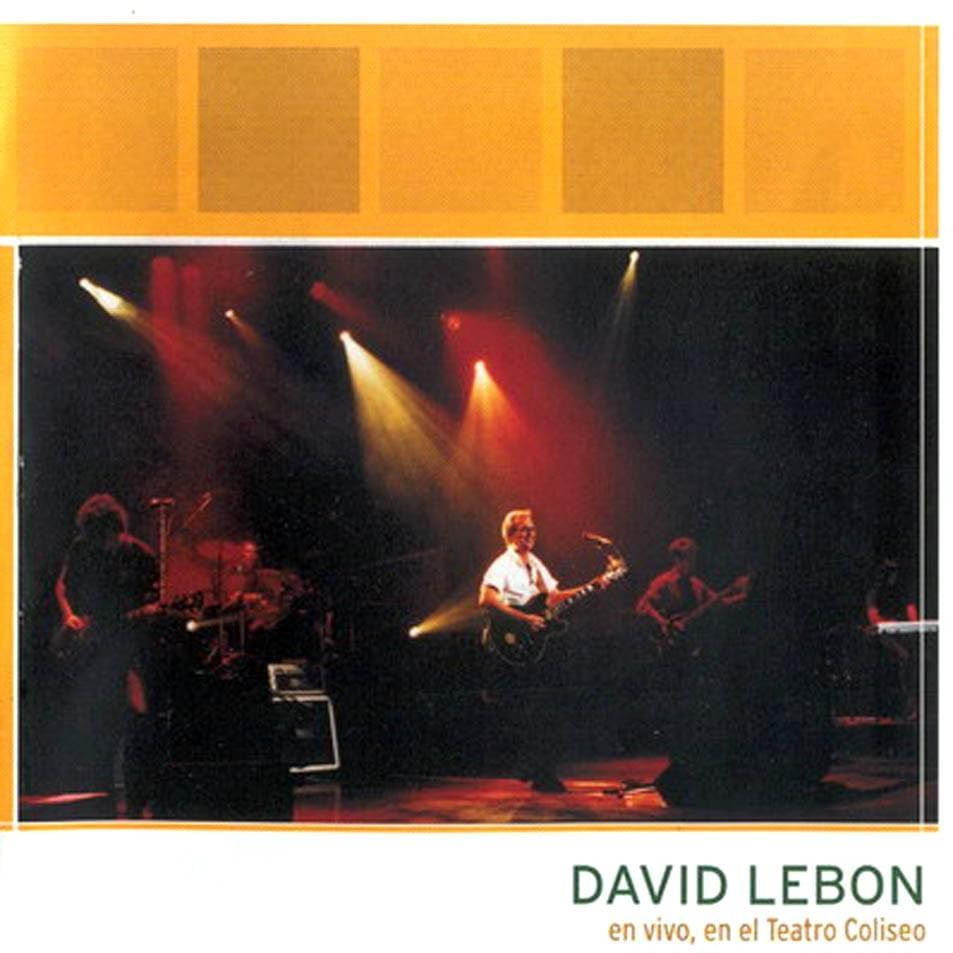
David Lebón's live rendition of "Parado en el Medio de la Vida" isn't just a song; it’s a disarming confession of vulnerability and a defiant embrace of existence itself. The opening lines, a plea for reciprocal love and acknowledgment of shared pain, immediately establish a space of raw honesty. It's an invitation to connect beyond superficiality, urging listeners to look inward and recognize their own emotional landscapes. Lebón isn’t preaching from a pedestal; he’s standing alongside us, grappling with the same fundamental questions of love, fear, and belonging. The reference to being seen better with eyes closed hints at a deeper, more intuitive understanding, suggesting that true connection transcends physical appearances and societal masks. It's about recognizing the shared humanity that often lies hidden beneath layers of defense mechanisms.
The chorus, the heart of the song, plants Lebón firmly "parado en el medio de la vida" – standing in the middle of life. This isn't a passive observation; it's an active choice. He finds contentment precisely within the messy, often contradictory reality of existence, despite the potential for rejection or hardship. There's a quiet rebellion in his acceptance, a refusal to be swayed by external forces that might try to dictate his worth or belonging. The line "Aunque me echen, me peguen, o me reten" underscores this resilience, suggesting that his sense of self is anchored internally, impervious to the judgments of others.
Ultimately, "Parado en el Medio de la Vida" is a song about radical empathy. Lebón's assertion that "todos son igual a mí" (everyone is equal to me) isn't a naive platitude; it's a recognition of the universal human experience. He sees his own struggles, joys, and fears reflected in the eyes and actions of others. This shared humanity becomes a source of strength and connection, a reminder that we are all navigating this chaotic, beautiful, and often painful journey together. The song's power lies in its ability to strip away pretense and reveal the common thread that binds us all: the simple, profound desire to be seen, loved, and accepted for who we truly are.
 View Artist