Song Meaning
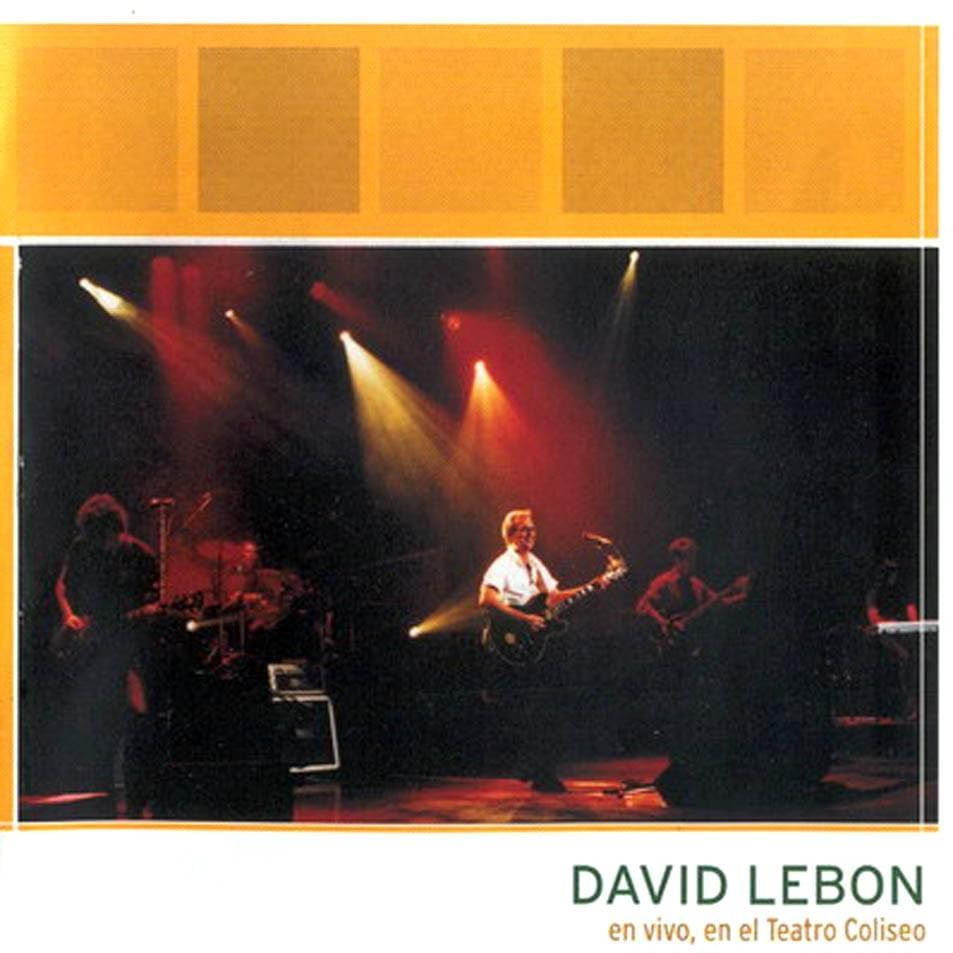
David Lebón's live rendition of "San Francisco Y El Lobo" isn't a travelogue; it's a raw, allegorical journey into the wounded soul. The wolf, a classic symbol of primal instinct and untamed freedom, begins his lament with a confession. He's been touched by humanity, by a light that momentarily pulled him from the darkness of his solitary, savage existence. This transformative period, marked by children's smiles and the unfamiliar sting of loving tears, hints at a fragile connection, a glimpse of redemption found in unexpected kinship.
But the idyllic interlude shatters. The lyrics speak of a betrayal, a 'man of evil' who inflicts wounds that refuse to heal. This isn't just physical harm; it's a deeper violation, a corruption of the wolf's newfound sense of belonging and vulnerability. The repeated phrase 'Volvere a ser feroz' ('I will be fierce again') isn't a boast, but a pained declaration of retreat. He's forced back into the armor of aggression, choosing the familiar safety of fear over the risk of further heartbreak. The 'garra mortal' (mortal claw) and the return to a home of terror represent a tragic regression, a self-imposed exile fueled by disillusionment.
Ultimately, "San Francisco Y El Lobo" explores the duality of human nature and the precariousness of empathy. The wolf's transformation and subsequent fall serve as a potent reminder of our capacity for both profound connection and devastating cruelty. Lebón's performance, imbued with palpable emotion, elevates the song beyond a simple fable, transforming it into a visceral exploration of trauma, resilience, and the enduring struggle between our wild instincts and our yearning for belonging. The song meaning resides in this oscillation between hope and despair, a cycle tragically familiar to us all.
 View Artist