Song Meaning
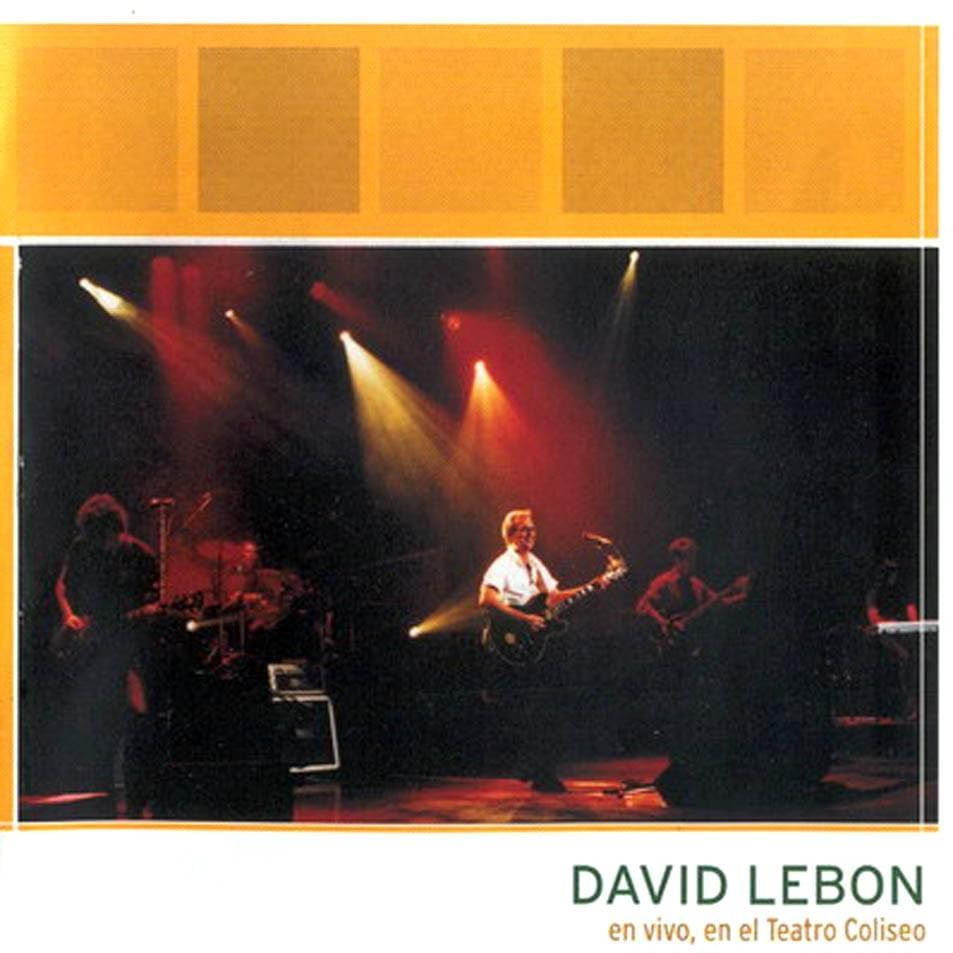
David Lebón's "Esperando Nacer (En Vivo)" isn't just a song; it's a raw, vulnerable plea for authentic experience in a world often choked by cliché and stagnation. The open-heartedness Lebón sings of isn't a passive state, but a conscious choice, a defiant vulnerability in the face of cynicism. When he sings, "Tengo el corazón abierto / Todo el mundo puede ver un camino para correr," he acknowledges the risk, the potential for exploitation, yet insists on remaining receptive. This openness is contrasted with the "alma en un desierto," suggesting an inner landscape yearning for growth, for connection, even as it exists in a state of barrenness. The tension between these two states—openness and aridity—is the engine driving the song's emotional core. The repeated line "Esperando nacer" functions as both a lament and a mantra. It speaks to a feeling of being perpetually on the cusp of something, of being held back by societal expectations and self-imposed limitations.
The song directly confronts those stuck in patterns of conformity, those with "su cara de jarrón y tu mundo hecho de clisés." Lebón isn't merely observing; he's actively calling them out, urging them to awaken. It's a challenge to embrace the messy, unpredictable nature of life, rather than clinging to prefabricated narratives. The lyrics depict a world where genuine connection is rare, where people are more likely to offer empty platitudes than real empathy. This sense of disconnect is amplified by the imagery of "el lamento / De la gente y su manual de las cosas que nunca fueron," evoking a sense of regret and missed opportunities. The "olor de los jazmines viejos" and the "angustia sensación de que el tiempo se echó a perder" paint a picture of a past that haunts the present, a reminder of what could have been.
Ultimately, "Esperando Nacer" is a song about the struggle for self-discovery and the courage to break free from the constraints of conformity. Lebón positions himself as a "solitario transmitiendo un mensaje / Escribiendo frases para poder creer," emphasizing the isolating nature of this quest. He's not just singing for himself; he's reaching out to others who feel similarly trapped, offering a lifeline of hope and encouragement. The repeated phrase "Esperando nacer" transforms from a statement of resignation into a call to action, a reminder that it's never too late to begin again, to shed the old skin and embrace a more authentic existence. The song's power lies in its unflinching honesty and its unwavering belief in the possibility of personal transformation.
 View Artist