Song Meaning
David Lebón's "Encuentro con el Diablo (En Vivo)" isn't a literal tale of a hellish rendezvous, but a stark, almost theatrical portrayal of power dynamics and personal responsibility. The devil, in this context, isn't a supernatural entity but a figure of authority, perhaps a boss or a political leader, encountered in the mundane setting of an office. The lyrics suggest a confrontation where the speaker is asked to voice their opinion on a difficult situation, a situation where "las papas están calientes" (the potatoes are hot). This evokes a sense of unease and pressure to conform, to take the first bite of something potentially dangerous. Lebón masterfully uses the devil as a metaphor for the uncomfortable truths and moral compromises inherent in navigating societal structures. The "risa que le dan los años / Y la confianza que le da el temor" paints a portrait of someone hardened by time and empowered by the fear they instill.
The repeated line, "Yo sólo soy un pedazo de tierra / No me confunda señor por favor," serves as both a plea for humility and a defense mechanism. The speaker attempts to downplay their significance, positioning themselves as insignificant, perhaps to avoid responsibility or potential repercussions for speaking out. This highlights the inherent tension between individual agency and the overwhelming force of authority. It's a recognition of one's own vulnerability in the face of systemic power. The phrase "pedazo de tierra" (piece of earth) also suggests a connection to something grounded and natural, contrasting with the artificiality and manipulation of the "devil's" world.
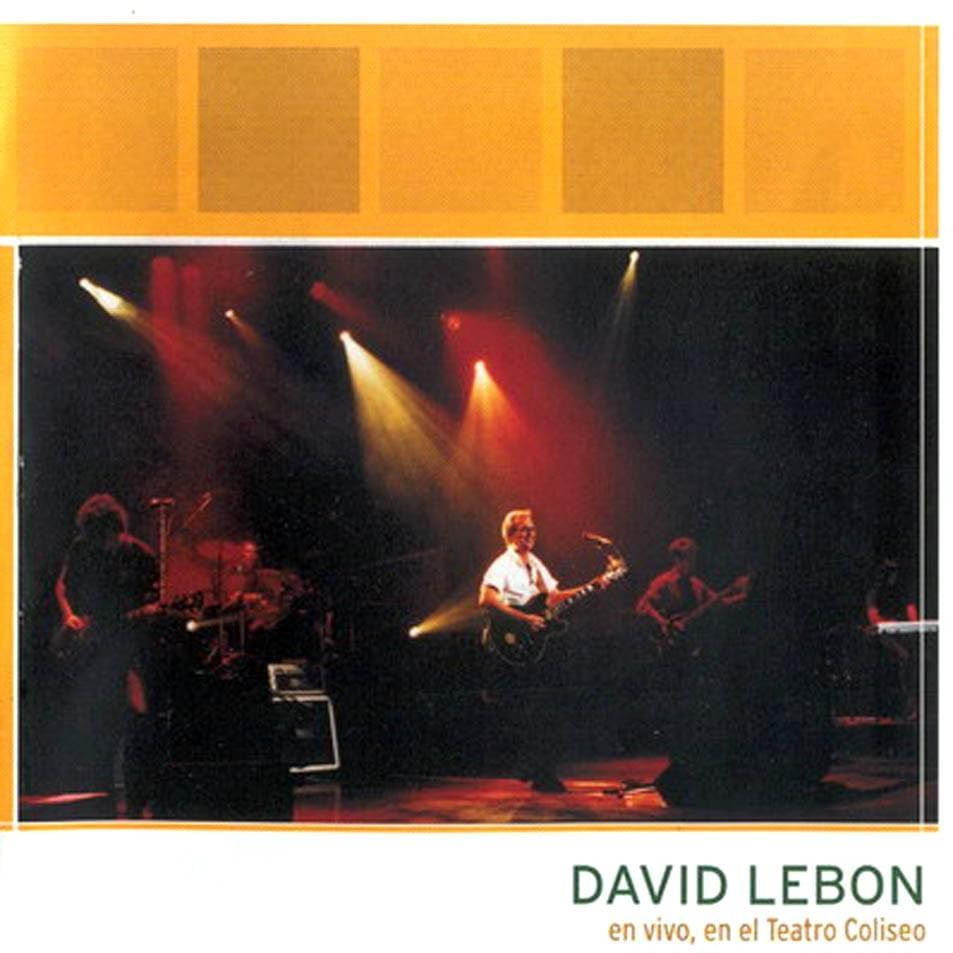
Ultimately, the song's meaning hinges on the listener's interpretation of the 'devil' and the 'situation.' Is it a commentary on political oppression, corporate greed, or simply the everyday compromises we make to survive? Lebón wisely leaves this open-ended, allowing the song to resonate on multiple levels. The 'live' aspect of the recording adds to the sense of immediacy and rawness, as if we're witnessing a genuine moment of confrontation and self-reflection. The encounter, therefore, becomes a mirror reflecting our own struggles with power, conscience, and the choices we make in the face of authority.
 View Artist