Song Meaning
The lyrics paint a stark picture of decay and disappointment, starting with the mundane frustrations of traffic and physical pain. This sets a tone of inevitable decline, where even everyday objects like food have an expiration date. The narrator observes a world where things simply break down, love fades, and the promise of functionality is consistently broken. This creates an immediate sense of weary resignation.
The central tension lies in the contrast between expectation and reality. We’re presented with a series of events – things breaking, love ending, new things aging – that directly contradict the idea that things should work or last. The repeated refrain, "Nem tudo funciona de verdade" (Not everything works for real), acts as a somber conclusion to each observation, hammering home a pervasive sense of disillusionment. It’s a quiet lament for a world that doesn’t live up to its potential or our hopes.
The most striking aspect is the relentless cataloging of entropy. From "aparelhos quebram" (appliances break) to "a tinta solta" (the ink runs) and "o ferro enferruja" (iron rusts), the lyrics present a consistent pattern of deterioration. Even abstract concepts like love and novelty are subject to this decay, with "o amor acaba" (love ends) and "acaba a graça e a novidade" (the fun and novelty end). This systematic breakdown emphasizes a universal truth about impermanence, making the personal feel broadly applicable.
This lyrical approach is effective because it grounds abstract feelings of disappointment in concrete, relatable images. The repetition of the core phrase provides a rhythmic anchor for the listener’s own experiences of things not working out. It’s this steady accumulation of small failures, culminating in the stark declaration that "a dor sobrepuja a felicidade" (pain overcomes happiness), that makes the lyrics resonate as a profound, albeit bleak, statement on the human condition.
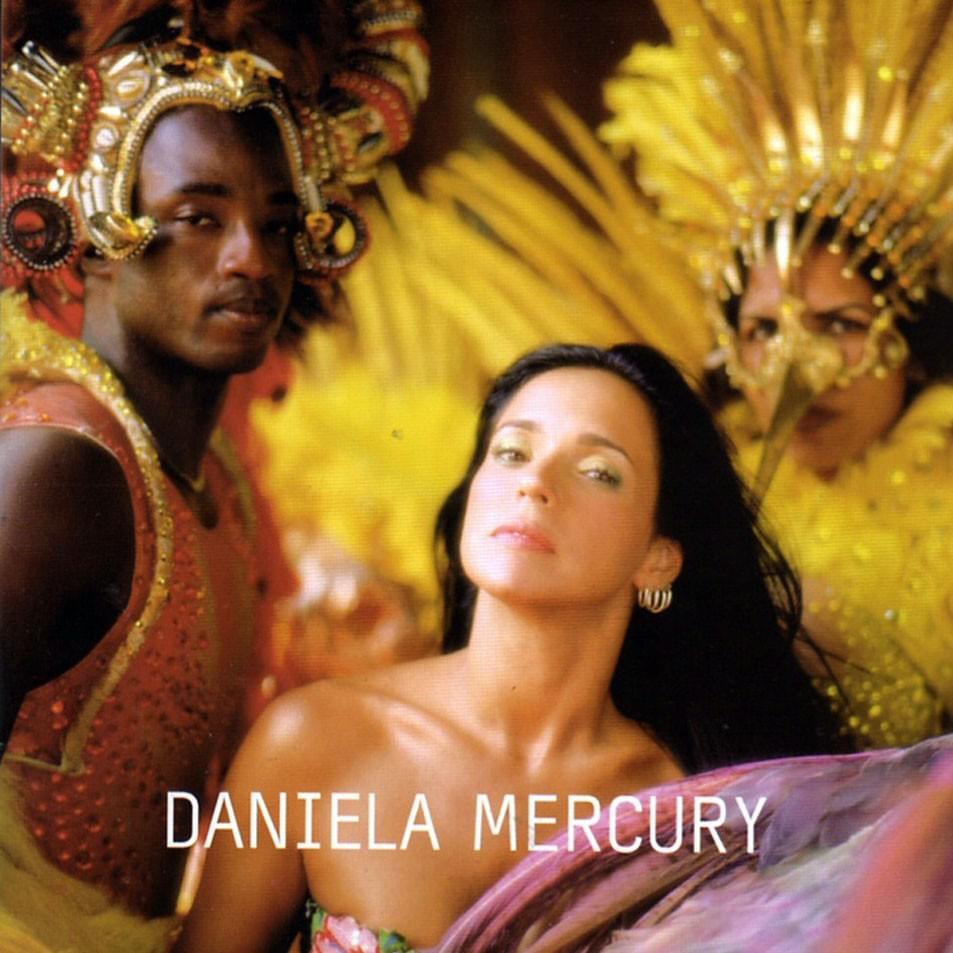
 View Artist