Song Meaning
This track paints a vivid picture of samba as more than just a musical genre; it's presented as a fundamental part of the narrator's identity and worldview. It's described as the "ground," the "national anthem," and "prayer," establishing a deep, almost spiritual connection to the rhythm and its associated culture. The lyrics immediately set a tone of inclusive celebration, framing samba as a universal language of joy and movement.
The central desire is to "see the world samba," a powerful image of global unity through dance. This isn't confined to Brazil; the narrator explicitly wishes for samba to be felt everywhere, from "Japan" to "France," "Germany," and "Portugal." This expansive vision suggests a belief in samba's ability to transcend borders and connect people from diverse backgrounds, fostering a shared experience of happiness and rhythm.
The most striking aspect is the seamless blending of specific, global locations and cultural touchstones with the core essence of samba. We see it in "Berlin's Love Parade," "Holland's samba school," and an "Argentine boy's percussion." The lyrics also name-drop Brazilian icons like "Caetano" and "Gilberto Gil," alongside a "Spanish DJ," further illustrating samba's reach and adaptability. This fusion highlights how the spirit of samba can manifest in unexpected places, adapting to local flavors while retaining its core energy.
Ultimately, the lyrics resonate because they articulate a profound, optimistic vision of cultural exchange and shared human experience. The repeated call to "see the world samba" acts as an anthem for connection, suggesting that through the universal language of rhythm and dance, the world can find common ground and celebrate together. It’s a powerful, infectious idea that feels both deeply personal and broadly aspirational.
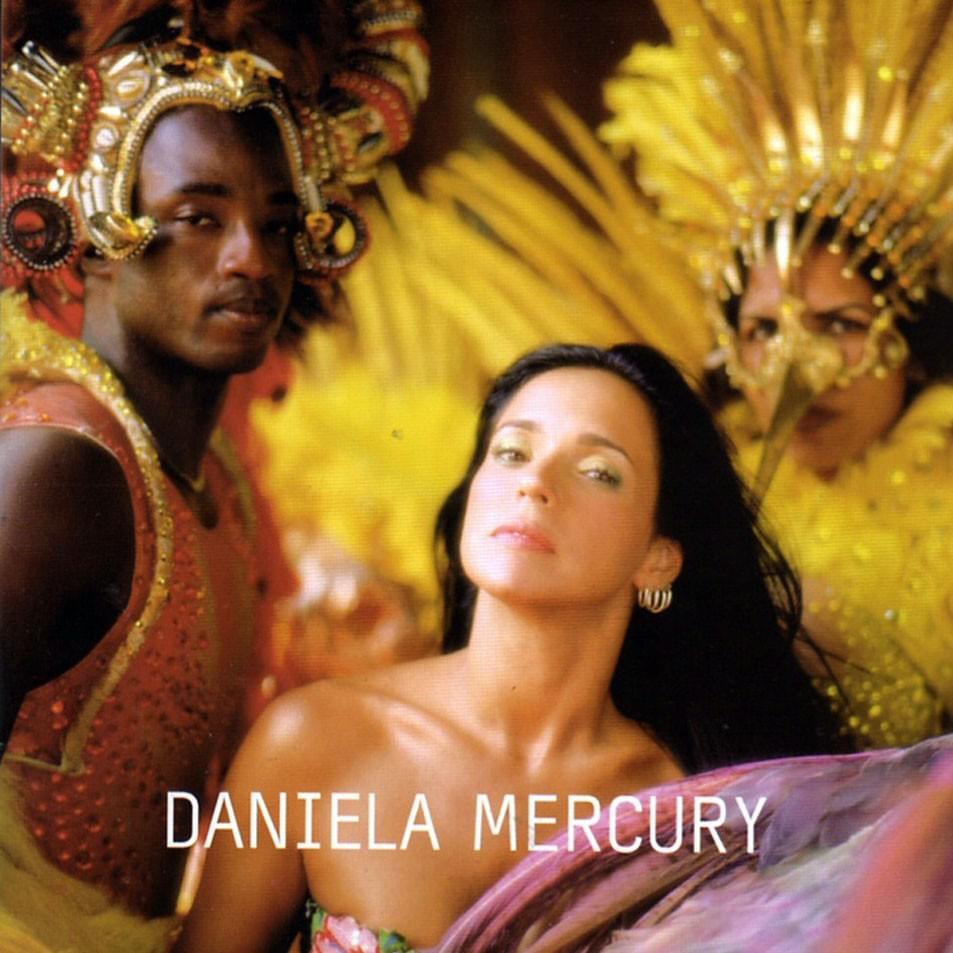
 View Artist