Song Meaning
The lyrics paint a picture of comfort and reassurance, urging someone to let go of their anxieties and embrace a burgeoning love. The repeated invitation, "Vem cá pra rede" (Come here to the hammock), establishes a scene of relaxation and safety, a stark contrast to the "medo" (fear) the speaker wants the other person to forget. It's a gentle but firm plea to abandon worry, suggesting that a solution or a solution will be found, especially since "o amor chegou mais cedo" (love arrived early).
The central tension lies in the speaker's attempt to soothe a hesitant or fearful partner. Phrases like "Não fique encucado" (Don't be worried/stuck) and "Dá-se um jeito" (A way will be found) highlight the speaker's desire to alleviate the other's distress. This is further emphasized by the plea, "Fica amor não vai / Nào me diz bye - bye" (Stay, love, don't go / Don't say bye-bye), revealing a fear of abandonment from the speaker's side, even as they offer comfort.
The most striking element is the cyclical structure and the persistent imagery of the hammock, which acts as a sanctuary. The repetition of the opening stanza reinforces the unwavering message of comfort and the early arrival of love as the primary reason to set aside fear. The shift in the latter half, from external reassurance to an internal promise – "Em qualquer lugar por onde eu andar / No meu coração vou levar / Você" (Wherever I walk / In my heart I will carry / You) – solidifies the depth of the speaker's commitment and the enduring nature of this newfound love.
This song resonates because it captures a specific moment of vulnerability and offers a tangible antidote: presence and unwavering affection. The simple, direct language, combined with the comforting image of the hammock and the promise of carrying the loved one always, creates an intimate and secure atmosphere. It's effective because it doesn't overcomplicate emotion, instead focusing on the immediate act of offering solace and the profound impact of love arriving unexpectedly.
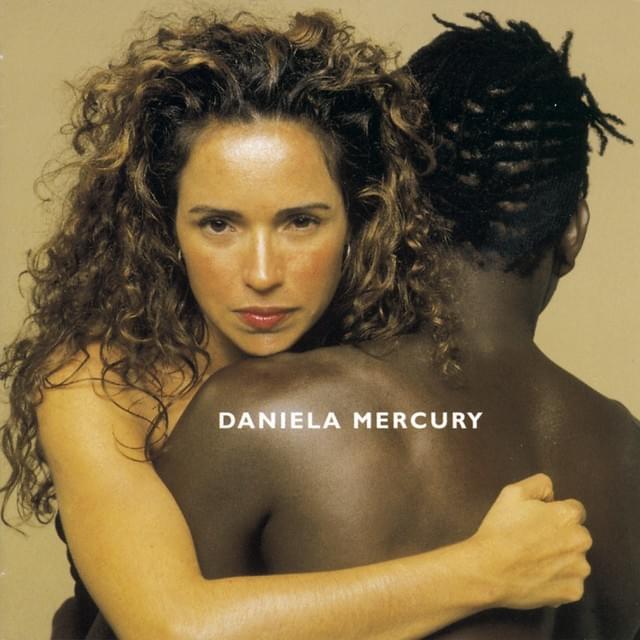
 View Artist