Song Meaning
The lyrics paint a stark picture of death, not as a peaceful end, but a clinical, mechanical one. The narrator declares "Je suis mort, Bel et bien mort," immediately establishing a tone of finality and perhaps a touch of morbid fascination. This isn't a gentle fading away; it's a "clinique" experience, happening "Sur un lit mécanique," suggesting a loss of control and a dehumanizing process. The contrast between this sterile end and the desired oblivion of being forgotten highlights a deep-seated unease with their own demise.
The central tension lies in the narrator's peculiar desire for oblivion versus their current, very conscious state of dying. They lament not having "le bonheur / Qu'on m'oublie," a wish for the simple, unceremonious end of "Tous les hommes / Qui meurent dans l'heure." This yearning for anonymity in death, to be simply "dépose dans un trou," clashes with the specific, almost absurd detail of their own "lit mécanique." It suggests a fear of being remembered for the indignity of their passing, rather than the life lived.
The most striking craft element is the shift from the physical reality of death to a spectral existence. The narrator declares, "Je perds ce monde / Je gagne les ondes," a poetic transition from the tangible to the ethereal. This leads to the repeated refrain, "Je vais faire le fantôme," which isn't just a statement of becoming a ghost, but an active choice, a new role to play in the afterlife. It’s a darkly whimsical embrace of their new, disembodied state.
This lyrical approach is effective because it grounds an abstract concept like death in specific, almost mundane details before launching into a more imaginative, spectral conclusion. The juxtaposition of the mechanical bed with the desire for a simple grave, and the final, almost playful adoption of the phantom persona, creates a complex emotional landscape. It’s a commentary on the loss of dignity in dying and the strange freedom found in becoming something beyond the physical world.
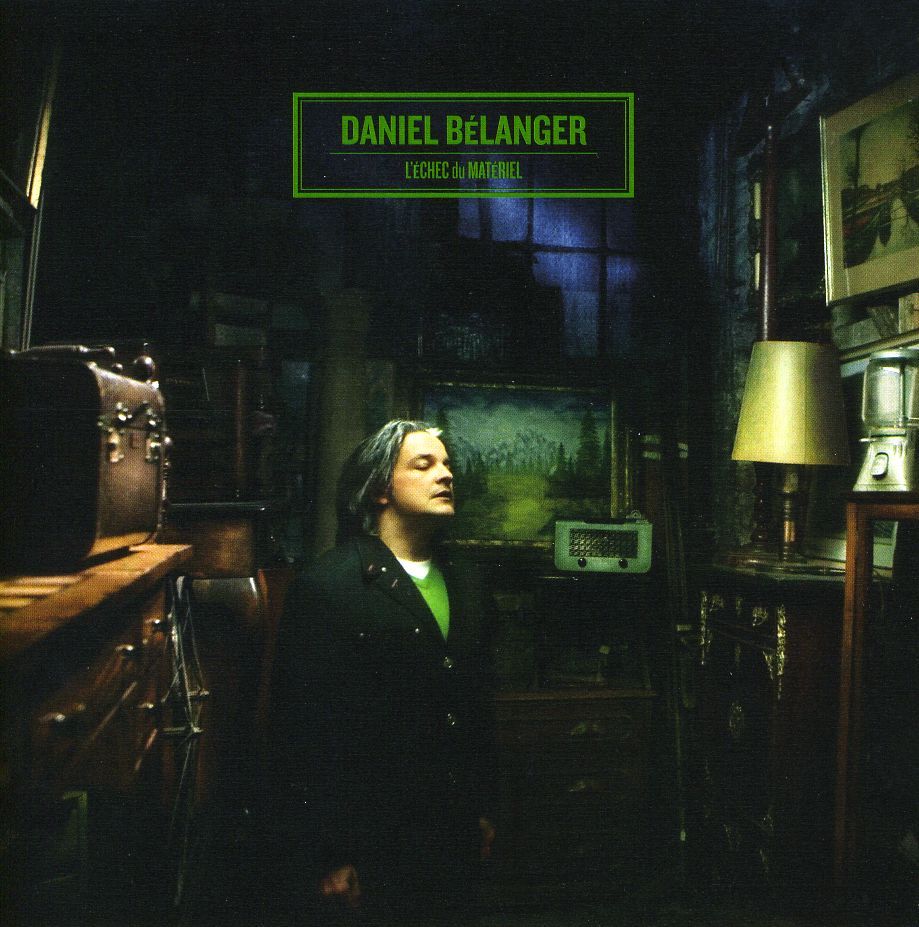
 View Artist