Song Meaning
The lyrics paint a stark picture of self-imposed limitations and internal struggles, using metaphors of common activities to highlight a profound sense of isolation. The narrator repeatedly states they've never "dived deeper than myself," "jumped higher than myself," or "fished in myself," suggesting a closed-off existence where all actions and experiences are confined to their own psyche. This creates an immediate sense of introspection, bordering on self-imprisonment. The repeated phrase "Que de moi-même" (Only from myself) acts as a relentless echo, reinforcing the idea that their world is entirely internal.
This self-containment breeds a peculiar kind of guilt, paradoxically framed by denials of external harm. The narrator insists they've "never stolen from anyone," "never killed anyone," or "never cheated anyone," but crucially adds, "Only myself." This suggests that the only person they've truly wronged or harmed is themselves, through their own inaction or internal battles. The contrast between these denials and the implied self-inflicted damage creates a central tension: a profound sense of personal failing that doesn't manifest as outward transgression but as an inward erosion.
The most striking aspect of the writing is its consistent use of everyday verbs – diving, jumping, fishing, hunting, playing chess, racing – to describe internal states. These are not grand, existential crises but mundane actions turned inward. The lyrics suggest the narrator has been "hunting only the demons of myself" and "racing with stress only within myself." This framing makes the internal conflict feel both deeply personal and strangely ordinary, highlighting how common activities can become arenas for self-sabotage. The final plea, "Who would want to save me from myself?" followed by "You my ambulance, my emergency, my siren..." transforms this internal struggle into a desperate, almost ironic, call for external rescue from the very self that has created the predicament.
Ultimately, the effectiveness of these lyrics lies in their relentless focus on the self as both the source and the victim of all experience. The repetition, the mundane metaphors, and the paradoxical denials of external harm combine to create a powerful, albeit bleak, portrait of someone trapped within their own mind. It’s this specific, self-contained narrative of internal conflict that makes the plea for salvation so poignant and unsettling.
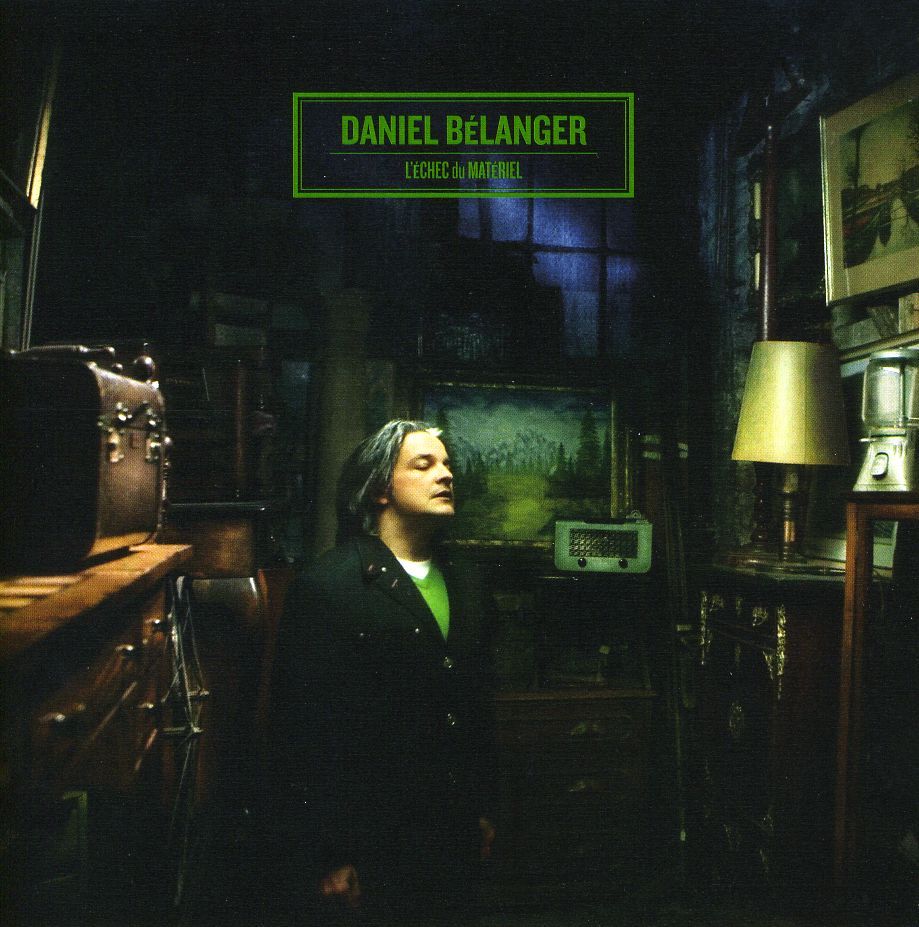
 View Artist