Song Meaning
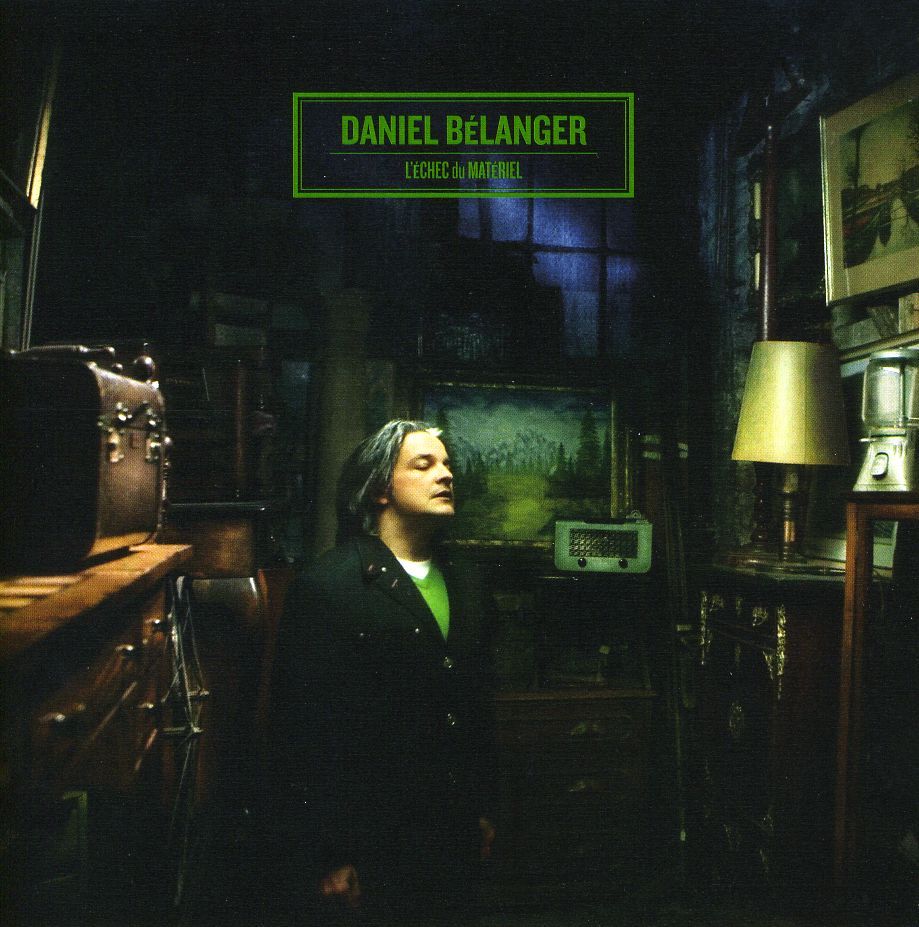
The narrator wakes each day with increasing anxiety, haunted by objects and plagued by nightmares of flea markets where everything slips away. This isn't just a bad mood; it's a profound existential dread tied to the material world. The phrase "l'échec du matériel" – the failure of the material – becomes a refrain, suggesting a breakdown in the narrator's relationship with possessions and the tangible aspects of life. It's a world where even inanimate things feel like they are actively betraying them.
The core tension lies in the narrator's desperate need to possess, even at the cost of their soul. They declare they'd rather sell their soul and die than be deprived of ownership. This obsession is framed in stark economic terms: their "market value" in hell rises with every pang of anxiety. This suggests a self-destructive cycle where the fear of loss fuels a deeper entanglement with the very things causing distress.
The lyrics paint a picture of someone trapped by obligation, unable to retreat. The narrator feels incapable of turning back or changing course, their strength entirely consumed by the effort to maintain the world and meet external expectations. This relentless pressure to uphold a crumbling reality, while simultaneously being consumed by anxieties about material failure, creates a powerful sense of being overwhelmed and paralyzed. The repeated "Devant l'échec du matériel" hammers home this feeling of inevitable collapse.
Ultimately, the effectiveness of these lyrics stems from their unflinching portrayal of a specific, almost absurd, form of dread. It's not just about wanting things; it's about a deep-seated fear of material disintegration and the crushing weight of maintaining a façade. The stark, almost transactional language used to describe the soul and market value amplifies the sense of alienation and the narrator's desperate, losing battle against an encroaching void.
 View Artist