Song Meaning
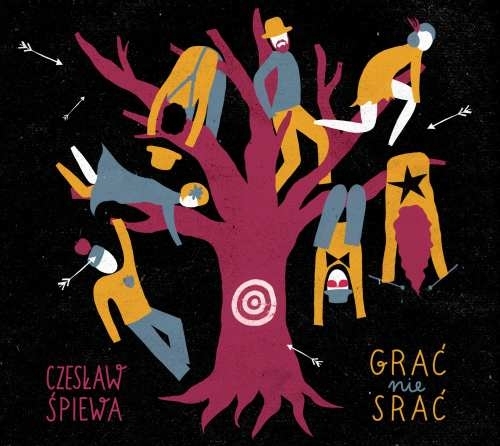
The narrator describes a peculiar act of dressing: putting on a dress, but leaving their head "on the table," preferring to go out "without a head." This striking image sets a tone of deliberate detachment, a desire to shed one's identity or perhaps the burden of thought before venturing into the world. The repetition of "Bo bez głowy na miasto iść wolę" emphasizes this strange, almost surreal choice.
The core tension arises from this performed anonymity. The narrator believes that "Nikt nie będzie wiedział kim jestem" (No one will know who I am), with only the "suknia mnie zdradzi szelestem" (the dress will betray me with its rustle) as a potential giveaway. Yet, they then introduce a specific marker of identity: a "kapelusz" (hat) worn around the neck, which will be the sole identifier for a "przyjacielu" (friend). This creates a fascinating paradox: a desire for total concealment juxtaposed with a specific, intimate signal for one person.
The most compelling craft element is the literalization of the idiom "straciłam głowę" (I lost my head). The narrator states, "To dla Ciebie straciłam głowę" (It's for you I lost my head), directly linking this profound emotional state to the earlier surreal image of leaving their head behind. This isn't just a metaphor for infatuation; it's presented as a physical, performative act, suggesting that for this specific relationship, the narrator is willing to disengage their rational self and present a fragmented, yet recognizable, self.
This lyrical construction is effective because it grounds an abstract emotional experience in a bizarre, unforgettable visual. The contrast between the desire for anonymity and the specific signal for a friend, all filtered through the literal interpretation of losing one's head, creates a potent sense of vulnerability and devotion. The repeated phrases amplify the narrator's singular focus and the strange logic of their actions, making the emotional core feel both unique and deeply felt.
 View Artist