Song Meaning
The lyrics present a stark, almost morbid view of wisdom, equating it with the state of being dead. The narrator asserts that the deceased possess the ultimate knowledge, understanding the deep, slow processes of nature like root depth and seed germination. This profound insight, however, comes at the cost of all sensation, as dead men are described as bearing the elements without feeling joy or pain. This detachment is framed as a form of ultimate contentment, a satiation that living beings, burdened by emotion, cannot achieve.
The central tension arises from the narrator's unusual longing for this state of death. While most people fear or shun the company of the dead, the narrator finds their "cool immunity" deeply appealing. This desire suggests a profound weariness with the burdens of life – the "joy or pain" that living entails. The contrast between societal norms and the narrator's personal yearning creates a compelling, melancholic undercurrent.
The most striking craft element is the consistent, almost hypnotic repetition of the phrase "Dead men." This refrain anchors the poem, emphasizing the singular source of the narrator's perceived wisdom and peace. The imagery of "throbless heart and heatless brain" powerfully conveys the absence of life's sensations, making the appeal of this "immunity" both understandable and unsettling. The final lines, expressing a desire to be "wrapped in their cool immunity," solidify the narrator's embrace of death as an escape from the turmoil of existence.
These lyrics resonate because they articulate a hidden, perhaps even taboo, desire for an end to feeling. The poem doesn't shy away from the grimness of its premise, instead finding a strange beauty in the absolute stillness and knowledge of the dead. By focusing on the specific, tangible details of nature's cycles and the absolute absence of sensation, the writing crafts a powerful, albeit bleak, argument for the wisdom found in cessation.
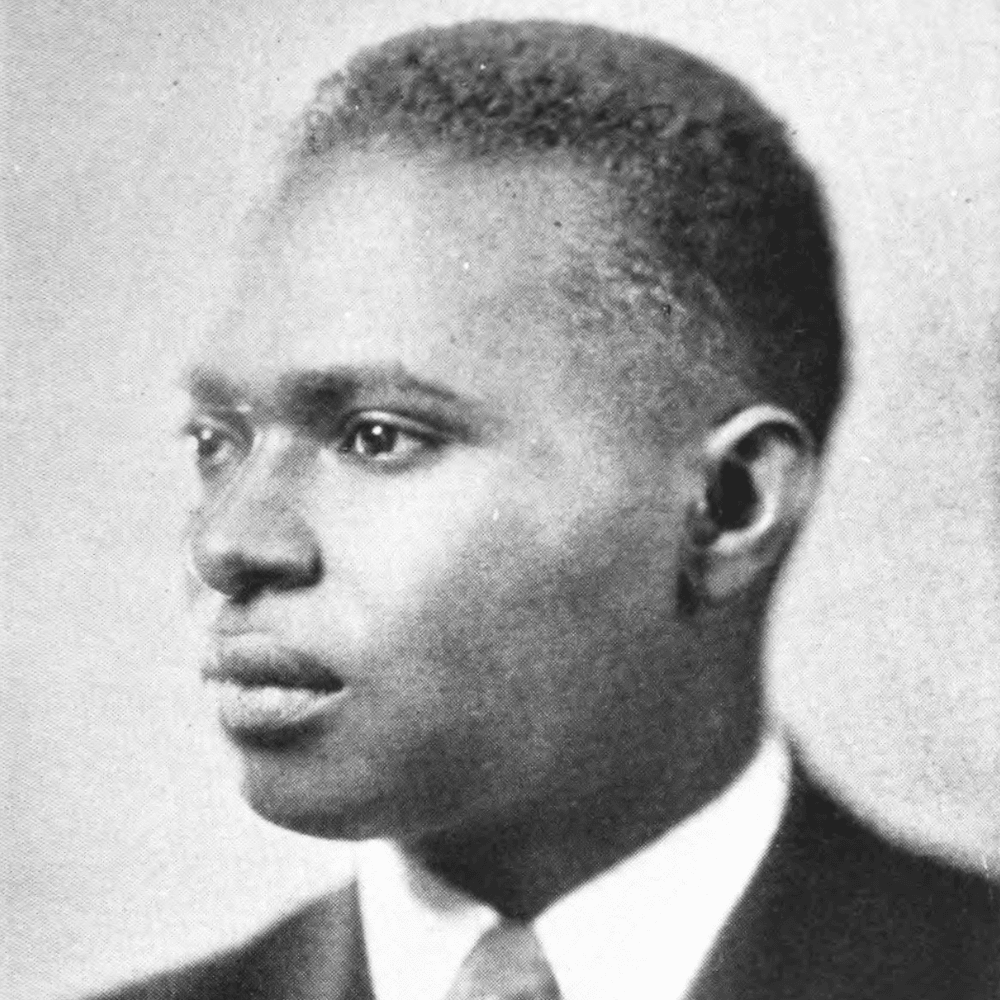
 View Artist