Song Meaning
The lyrics grapple with a profound theological question: if God is good, why does suffering and apparent injustice exist in the world? The narrator acknowledges God's presumed benevolence but immediately pivots to questioning the divine logic behind seemingly cruel fates. The poem presents a series of rhetorical questions about why creatures are born blind, why flesh must die, and why mythological figures like Tantalus and Sisyphus endure eternal torment. These examples highlight a perceived disconnect between divine goodness and the harsh realities of existence.
The central tension lies in the narrator's struggle to reconcile faith with observable suffering. While accepting God's nature as "good, well-meaning, kind," the narrator cannot fathom the "awful brain" or "awful hand" that orchestrates such painful scenarios. The use of classical allusions like Tantalus and Sisyphus serves to universalize this suffering, suggesting it's not just individual misfortune but a pattern woven into the fabric of reality, a pattern that defies simple explanation or comfort.
The most striking aspect is the poem's final turn, a "curious thing" that prompts the narrator's marvel. After questioning the fate of the blind mole, the dying flesh, and the tormented mythological figures, the ultimate puzzle is revealed: "To make a poet black, and bid him sing!" This juxtaposition suggests that the narrator's own existence as a Black poet, tasked with creating beauty and praise despite the world's inherent cruelties and the specific oppressions faced, is the most perplexing act of divine will.
This lyrical construction is effective because it moves from abstract theological doubt to a deeply personal, specific existential crisis. The poem doesn't offer easy answers but instead lays bare the raw, unresolvable conflict between belief and experience. The final lines land with immense weight, revealing that the narrator's questioning of God's ways is intrinsically tied to their own identity and purpose, making the act of singing itself a profound, almost defiant, act of faith and art.
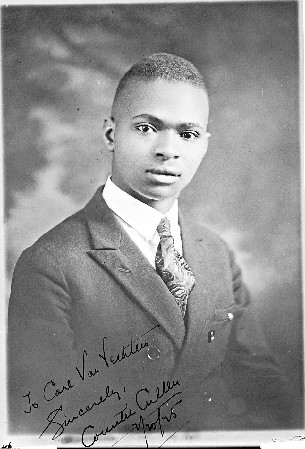
 View Artist