Song Meaning
The lyrics open with a collective "We" declaring an end to forced labor and silent suffering. There's a palpable sense of injustice, where one group "plant[s] while others reap" the rewards. This isn't a plea, but a firm statement that the current imbalance cannot last.
The core tension lies in the collective's refusal to "eternally weep" and the quiet determination to overturn a system where "lesser men should hold their brothers cheap." The lyrics suggest a long history of enduring disrespect and exploitation, where their labor yields "golden increment" for others. However, the repeated "not always" signals a profound shift in mindset, moving from passive acceptance to active, albeit patient, resistance against this "subtle brute." This defiance is not yet overt, but a clear declaration of an impending end to their subjugated role.
A striking re-framing of "darkness" emerges as a central, powerful metaphor. The lines "The night whose sable breast... is no less lovely being dark" challenge conventional notions, suggesting inherent beauty and strength in what might be perceived as a disadvantage. This is further amplified by the surprising idea of "buds that cannot bloom... In light," implying that some forms of growth and development require the protective, nurturing environment of the shadows. It's a profound inversion, asserting that true vitality can sometimes only flourish away from the harsh, unyielding glare of the dominant world.
This embrace of darkness isn't about despair, but strategic cultivation. The powerful image of "hide the heart that bleeds, / And wait, and tend our agonizing seeds" reveals a profound resilience. It suggests that true progress sometimes demands a period of hidden struggle and painful growth, where future strength is nurtured away from the harsh glare of an unsympathetic world. The effectiveness lies in this blend of quiet defiance and the patient, almost sacred, tending of a painful but ultimately hopeful future.
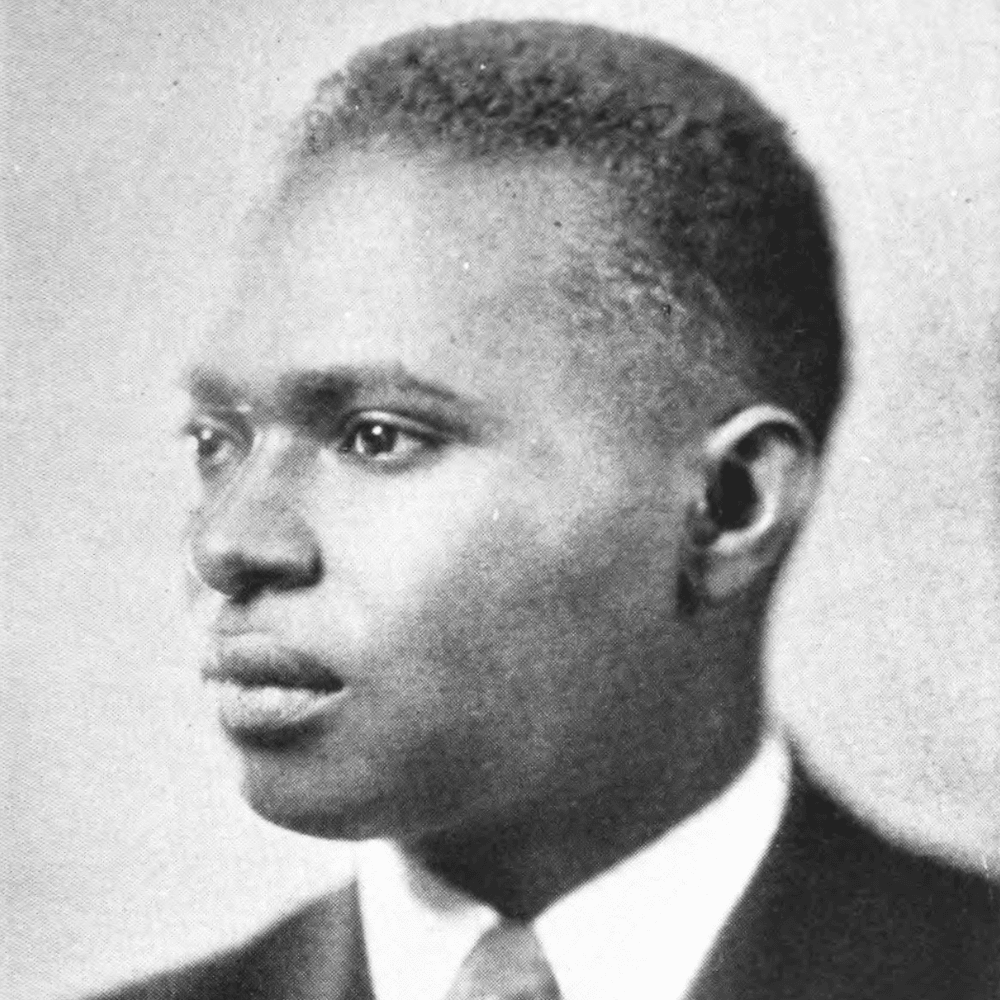
 View Artist