Song Meaning
The lyrics paint a somber, almost primal scene at a gravesite. A dark river and tall grass set a somber mood, while the imagery of "sinuously soft feet" passing beings "to bleed and quiver" suggests a ritualistic or perhaps violent undertone to the landscape itself. The dominant tone is one of mournful reverence, underscored by the "great dark voice" breaking with a sob and the "tom-toms throb" above the grave.
The central tension arises from the contrast between the oppressive darkness and the promise of enduring life. The "great dark beast" is depicted as drained and empty, a place where "honeyed lies" come to die, suggesting a cleansing or a stripping away of falsehoods. This emptiness, however, is not final. It serves as a stark backdrop for the resilience of something deeper and more fundamental.
The most striking craft element is the final stanza's powerful metaphor of growth from death. The "roots that work below" are presented as an unstoppable force, drawing life from "rich dust and slaughtered will." This imagery culminates in the vision of "a tree with tongues" that shall grow, suggesting that the legacy and truth of the deceased will find a voice and spread, overcoming any attempts to suppress it.
These lyrics resonate because they transform a scene of death into a potent symbol of enduring truth and defiant life. The carefully chosen words, from the unsettling "bleed and quiver" to the defiant "tree with tongues," create a rich tapestry of sorrow and resilience. The poem suggests that even in the face of immense loss and deceptive narratives, the essential spirit and truth will ultimately find a way to speak and grow.
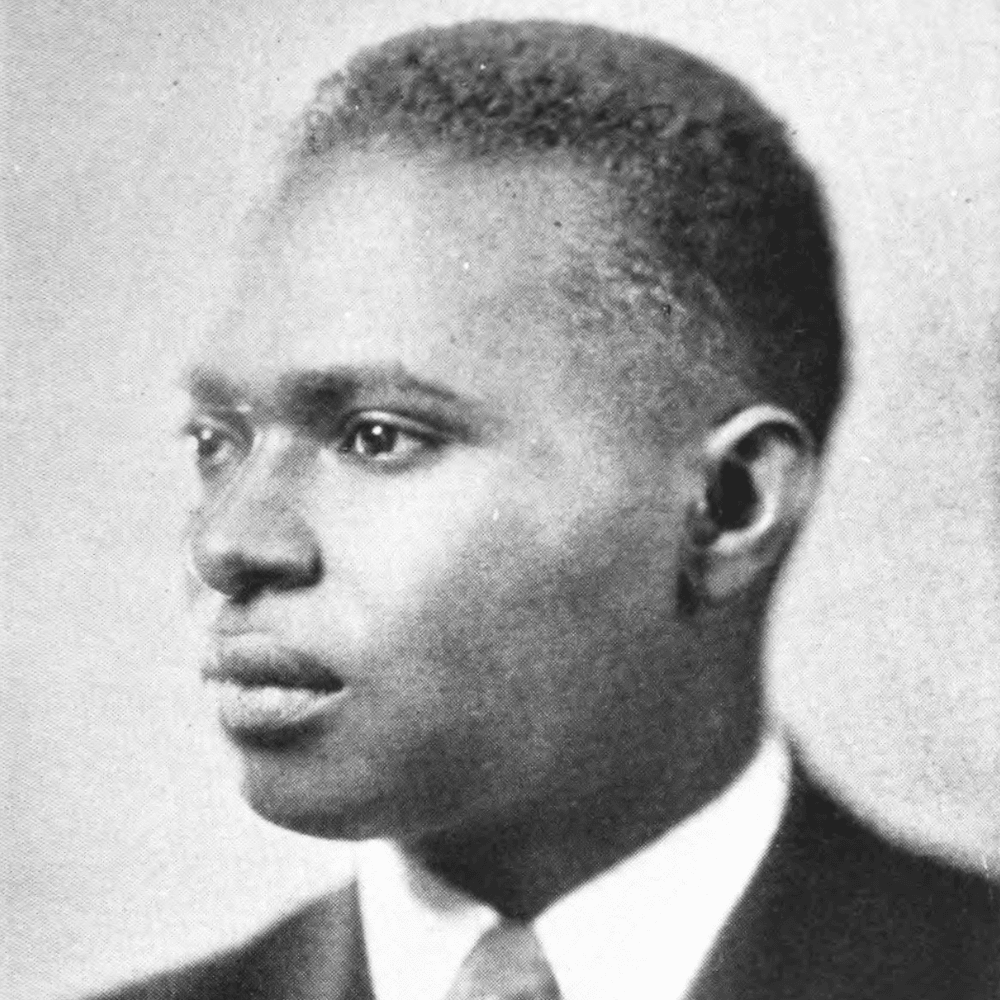
 View Artist