Song Meaning
The lyrics paint a stark contrast between the narrator's outwardly reserved parents and the narrator's own passionate, untamed spirit. The father is described as a "quiet man," his life "like his days," and the mother's existence is "puritan," a "pool so calm." This initial picture suggests a life of strict control and predictable routine, devoid of overt passion or deviation.
Yet, beneath this placid surface, the narrator perceives a hidden depth and a lingering wildness in both parents. The father's eyes "boast / How full his life has been," haunted by the "ghost / Of some still sacred sin." Similarly, the mother, despite her "chants of God," is stirred by "checkered sod" that makes her "flesh aquiver." These hints suggest that the parents' controlled exteriors mask a suppressed, perhaps even forbidden, inner life.
The core tension arises from the narrator's own nature, which seems to be a direct, almost defiant, inheritance from this hidden parental wildness. The narrator questions why their "naked tribal dance" at the sound of rain, or their songs of "wild sweet agony," should be seen as aberrant. The lyrics propose a biological inevitability: "Who plants a seed begets a bud, / Extract of that same root." The narrator is the "wild fruit" of their parents' suppressed passions, a natural, if unexpected, outcome.
This framing makes the narrator's expressive, almost Dionysian, spirit feel not like a rebellion, but an honest manifestation of their lineage. The final lines, "Why marvel at the hectic blood / That flushes this wild fruit?" serve as a powerful rhetorical question, suggesting that the narrator's passionate existence is simply the natural, inevitable blossoming of the very essence that the parents have tried to keep buried. The craft lies in the subtle unveiling of the parents' hidden lives, making the narrator's own expression feel like a direct, unassailable consequence.
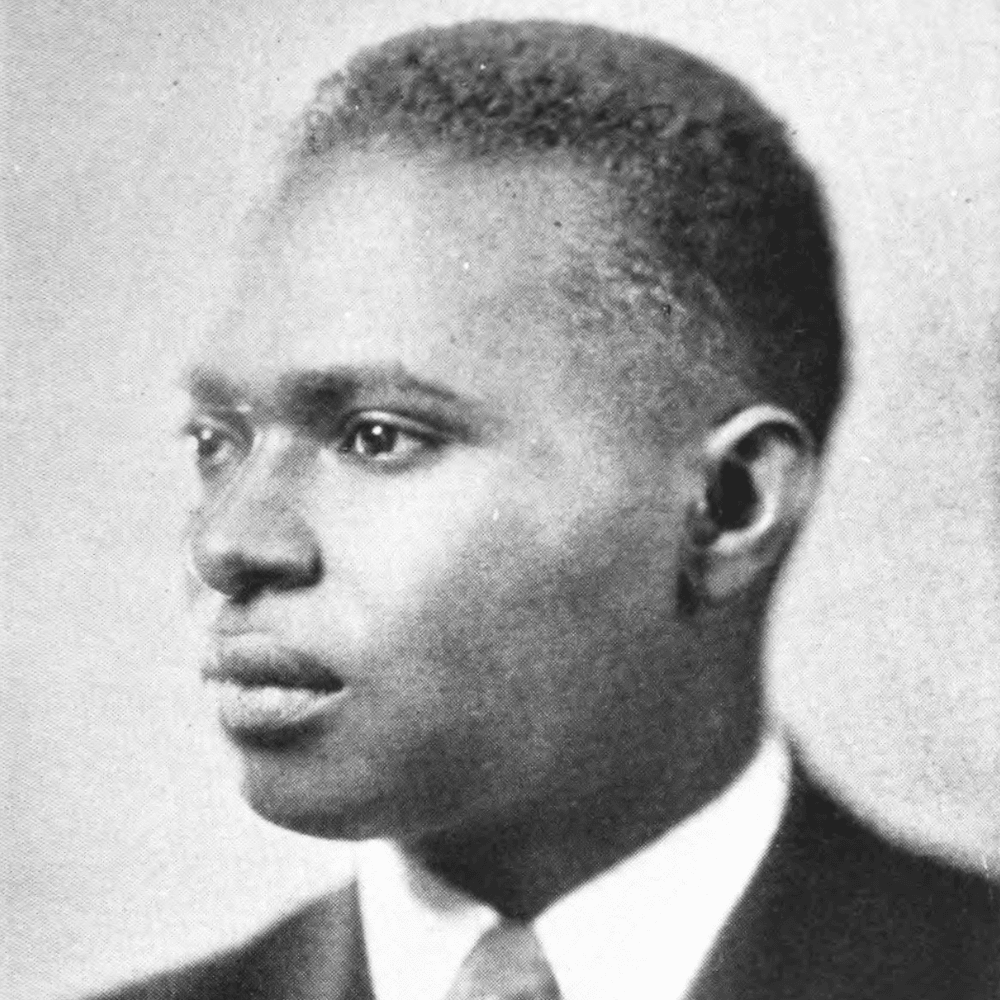
 View Artist