Song Meaning
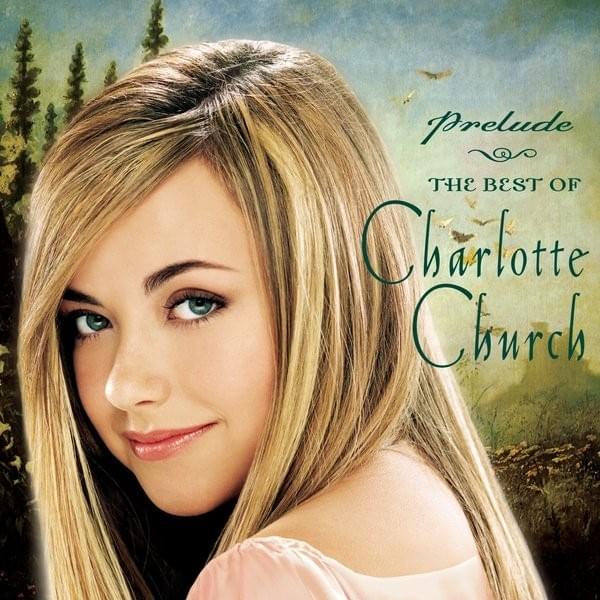
Charlotte Church's rendition of "Tantum Ergo" is not merely a song; it's a sonic immersion into the heart of Catholic ritual. The lyrics, steeped in Latin, immediately signal a departure from the secular and a dive into the sacred. More than just a performance, Church's interpretation becomes a meditation on faith itself, on the tension between ancient tradition and contemporary understanding. The words speak of venerating the sacrament, acknowledging the limitations of our senses, and the necessity of faith to bridge the gap between the seen and the unseen. This isn't about simple belief; it's about actively *venerating* the mystery. The text suggests a conscious choice to submit to something larger than oneself. Musically, the choice of Church, with her classically trained voice, lends an operatic weight to the proceedings, amplifying the sense of awe and reverence. The song meaning is located less in lyrical complexity and more in the emotional architecture it constructs. It's a sonic cathedral, built to inspire humility and wonder.
The core of "Tantum Ergo" lies in its call for faith to supersede sensory experience. The line "Praestet fides supplementum sensum defectui"—"Let faith provide a supplement for the defect of the senses"—is particularly revealing. In an age dominated by empiricism and tangible proof, the lyrics dare to suggest that some truths are accessible only through belief. This isn't a rejection of reason, but rather an acknowledgement that human perception is inherently limited. The music serves as a vehicle for transcending those limitations, creating a space where the spiritual can be apprehended, if not fully comprehended. Church's vocal control, her ability to navigate the complex melodic lines with both precision and passion, serves to underscore this idea, elevating the listener beyond the mundane.
Ultimately, the enduring power of "Tantum Ergo," especially as performed by Charlotte Church, resides in its ability to evoke a sense of timelessness. The song bridges centuries, connecting the listener to a tradition that predates modern anxieties and uncertainties. The concluding verses, a fervent expression of praise and adoration for the Trinity, reinforce this sense of continuity and unwavering devotion. It's a reminder that, regardless of individual struggles or doubts, there exists a realm of unwavering faith, a space where the human spirit can find solace and meaning. The lyrics analysis reveals a song not just of religious observance, but of profound psychological comfort, a sonic sanctuary in a world often devoid of both.
 View Artist