In Trutina
Song Meaning
Charlotte Church's rendition of "In Trutina" isn't just a vocal exercise; it's a raw, internal debate set to music. The lyrics, sung in Latin, immediately plunge us into the depths of a wavering mind. The central theme revolves around the push-and-pull between conflicting desires: "Lascivus amor, et pudicitia..." – lustful love versus virtue. This isn't a simple good-versus-evil scenario; it's a sophisticated acknowledgement of the human condition, where primal urges and societal expectations constantly vie for dominance. Church's soaring vocals amplify this inner turmoil, turning a personal struggle into something universally resonant. The song meaning, then, becomes less about a specific choice and more about the agonizing process of making one. It's about the weight of options, the allure of the forbidden, and the yearning for something simultaneously pleasurable and acceptable. The listener is not given easy answers. The genius of "In Trutina," especially as interpreted by Church, lies in its ambiguity. The lyrics, "Sed eligo quod video, Collum iugo prebeo, Ad iugum tamen suave transeo" – "I choose what I see, I offer my neck to the yoke, Yet I submit to a pleasant yoke" – suggest a surrender, but to what exactly? Is it a capitulation to desire, a conscious embrace of a path that may be deemed immoral? Or is it a submission to a higher calling, a recognition that true freedom sometimes lies within boundaries? The "pleasant yoke" hints at a potential reconciliation of these opposing forces. Maybe the choice is not about suppressing one's desires, but about finding a way to integrate them into a fulfilling existence. Ultimately, Charlotte Church's performance transforms "In Trutina" into a profound meditation on choice and consequence. It's a reminder that life is rarely black and white, and that the most meaningful decisions are often the ones that force us to confront our own internal contradictions. The song's power resides in its ability to evoke empathy for this struggle, reminding us that we are all, in some way, caught between conflicting desires, searching for our own "pleasant yoke."
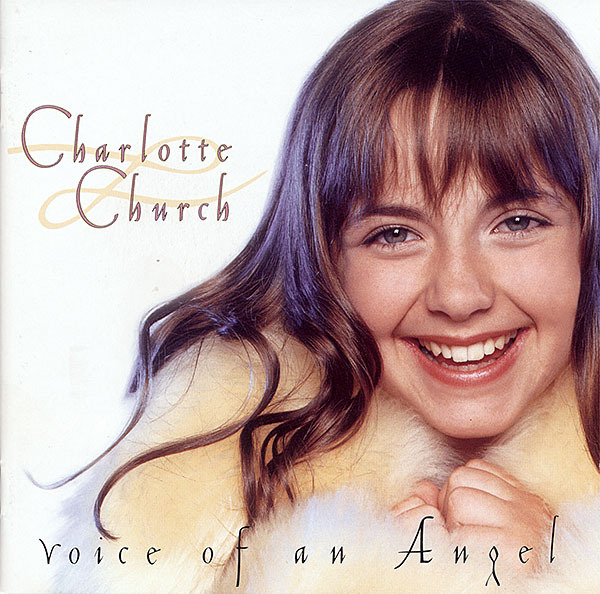
 View Artist
Lyrics
In Trutina, mentis dubia Fluctuant contraria Lascivus amor, et prudicitia... Sed eligo quod video Collum iugo prebeo Ad iugum tamen suave transeo
Rate this song
0/5.0 - 0 Ratings
Loading comments...
Credits
- Writers
- Carl Orff