Song Meaning
Charlotte Church's rendition of "Sancta Maria" isn't merely a performance; it's an invocation, a sonic tapestry woven from faith, vulnerability, and the haunting beauty of mortality. The lyrics, a traditional prayer in Latin, are deceptively simple: a plea to the Virgin Mary, a figure of grace and intercession, to watch over "us sinners, now and in the hour of our death." But within that simplicity lies a universe of human longing. Church’s crystalline soprano, almost unearthly in its purity, elevates the prayer beyond rote recitation. It becomes a visceral expression of hope against the encroaching darkness. The song meaning resides not just in the words themselves, but in the emotional weight Church imbues them with. It’s a reminder of our shared human condition, our inherent fallibility, and our yearning for something beyond the tangible.
Consider the psychological undercurrent: the prayer acknowledges our "peccatoribus" nature – our inherent flaws and failings. This isn't a denial of imperfection, but an acceptance of it, a humble recognition of our need for grace. The repetition of "Sancta Maria, Mater Dei" reinforces the idea of Mary as both divine and maternal, a figure of immense power and profound compassion. The lyrics analysis reveals a universal desire for comfort and protection, especially when confronted with the inevitability of death. It's a song that speaks to the primal fear of oblivion and the enduring human need for solace.
The genius of Church's interpretation lies in her ability to make this ancient text resonate with contemporary anxieties. In a world increasingly defined by secularism and uncertainty, "Sancta Maria" offers a fragile but potent anchor. It's a reminder that even in the face of existential dread, there is still beauty, still hope, and still the possibility of redemption. The power of the song lies in its stark simplicity and universal appeal, making it a resonant experience for believers and non-believers alike.
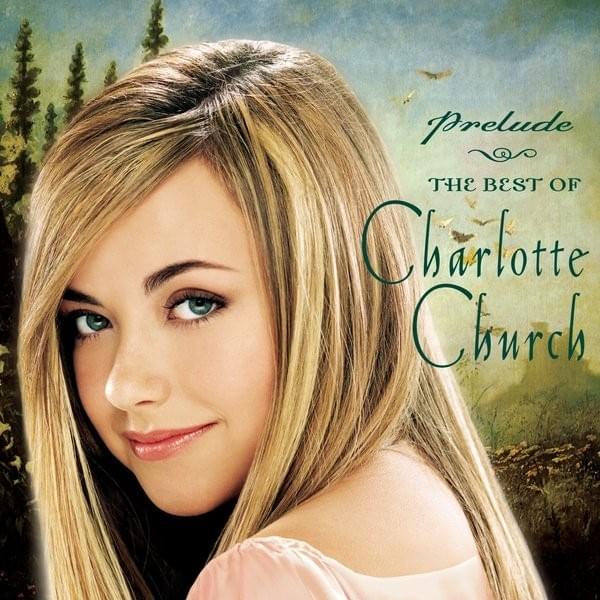
 View Artist