Song Meaning
The lyrics paint a picture of someone who has been deeply wronged, now facing their former tormentor who claims to be lonely and sorry. The narrator’s response is a stark, almost dismissive "cry me a river," a phrase that drips with sarcasm and a profound lack of sympathy. This isn't just a breakup song; it's a declaration of emotional closure, delivered with a chilling finality. The repetition of "I cried a river over you" hammers home the depth of past suffering, contrasting sharply with the present plea for tears.
The central tension lies in the reversal of emotional roles. The person who once caused immense pain, who "never shed a tear" while driving the narrator "out of [their] head," is now the one experiencing loneliness and seeking solace. The narrator, having endured the emotional flood, is now dry, unyielding, and utterly unsympathetic to the other's newfound sorrow. The past hurt is so significant that it has rendered the narrator incapable of offering comfort, even when the other person claims to be sorry or even in love.
The most striking craft element is the titular phrase itself, "cry me a river." It's a potent idiom weaponized by the narrator. It transforms a common expression of sympathy into a demand for exaggerated, performative grief that the narrator clearly believes is undeserved. The stark contrast between the narrator's past "river" of tears and the present demand for the other's river highlights the emotional exhaustion and the finality of the narrator's feelings. The lyrics suggest a profound shift from victim to someone who has reclaimed their emotional power, albeit through a cold, hard stance.
These lyrics hit hard because they articulate a universal, albeit harsh, truth about emotional boundaries after deep betrayal. The effectiveness comes from the narrator's unwavering, almost defiant refusal to engage with the other's pain, a stance earned through past suffering. The stark repetition of "I cried a river over you" serves as a constant, somber reminder of the price paid, making the present "cry me a river" feel less like cruelty and more like a necessary, albeit painful, act of self-preservation.
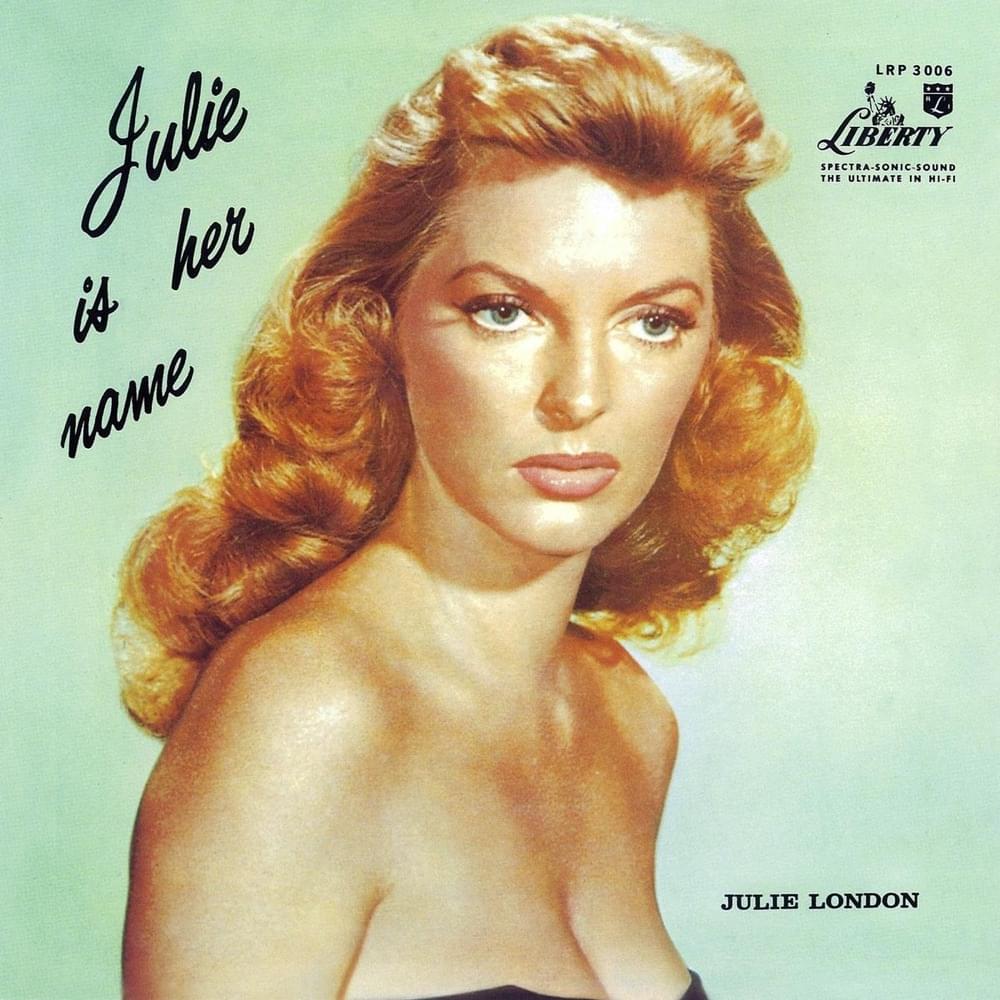
 View Artist