Song Meaning
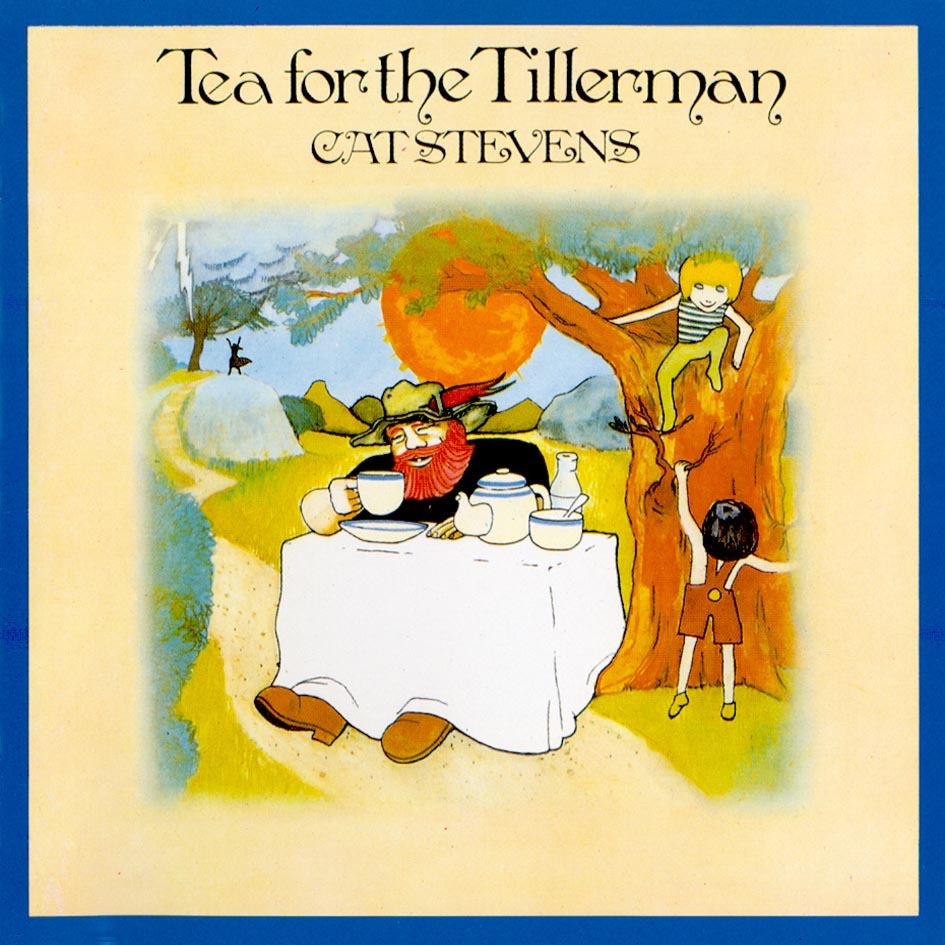
Cat Stevens' "Tea for the Tillerman" operates on a plane of deceptively simple imagery, a pastoral tableau that belies a deeper, almost primal yearning. The song's core meaning circles around sustenance – not just physical, but spiritual and emotional. The 'Tillerman' figure himself, enigmatic as he is, seems to represent the grounded worker, the soul tending to the earth, deserving of simple comfort. Juxtaposed against him is 'Steak for the Sun,' an offering to a celestial body, a more grandiose, perhaps desperate, act of supplication. Then 'Wine for the woman who made the rain come' suggests gratitude towards a life-giving force.
These disparate offerings—tea, steak, wine—aren't merely about satisfying basic needs. They speak to different levels of existence and different ways of connecting with the world. The seagulls singing while 'sinners sin' hints at a world where nature remains untouched by human failings, a pure, observant force. But the real emotional weight of the song lies in the children playing.
'Oh Lord, how they play and play' isn't just a charming observation. It's a longing for innocence, a yearning for a 'happy day' that seems perpetually out of reach for the adult world burdened by sin and responsibility. The repetition emphasizes this almost desperate hope, suggesting that perhaps in the carefree joy of children lies the key to some form of redemption or, at least, temporary solace. The song meaning, therefore, becomes a meditation on the fragmented ways we seek fulfillment and the enduring power of simple, unadulterated joy as a counterpoint to a world steeped in complexity and moral compromise.
 View Artist