Song Meaning
The lyrics paint a picture of a world reborn each morning, echoing the freshness of creation. The opening lines immediately establish this theme, comparing the "morning has broken" to "the first morning" and the "blackbird has spoken" to "the first bird." This repetition of "first" suggests a cyclical renewal, a constant return to an original, pure state. The dominant tone is one of awe and gratitude, a deep appreciation for the simple, natural phenomena of a new day.
The central emotional tension, if any, lies in the overwhelming sense of divine presence and benevolent creation. The narrator finds ownership and profound connection in these natural elements, declaring "Mine is the sunlight, mine is the morning." This isn't possessiveness, but rather an embrace of belonging within a divinely ordered, beautiful world. The imagery of "sweet the rain's new fall, sunlit from Heaven" and dew on "on the first grass" reinforces this feeling of pristine, untouched beauty.
The most striking craft element is the pervasive use of "praise." It's not just a passive observation but an active, vocalized appreciation for every aspect of this renewed world. The repetition of "praise for the singing, praise for the morning" and "praise for them springing fresh from the world" acts as a liturgical chant, elevating the mundane into the sacred. The reference to "God's recreation of the new day" and "One Light Eden saw play" directly links this daily renewal to a foundational, almost mythical moment of creation, grounding the present experience in an ancient, sacred narrative.
These lyrics resonate because they tap into a universal human experience: the quiet wonder of a new dawn. By framing this daily event as a divine act of recreation, the song imbues it with profound significance. The simple, direct language and the insistent, joyful "praise" create an atmosphere of pure, unadulterated gratitude, inviting the listener to share in this profound, almost spiritual, connection to the natural world and its creator.
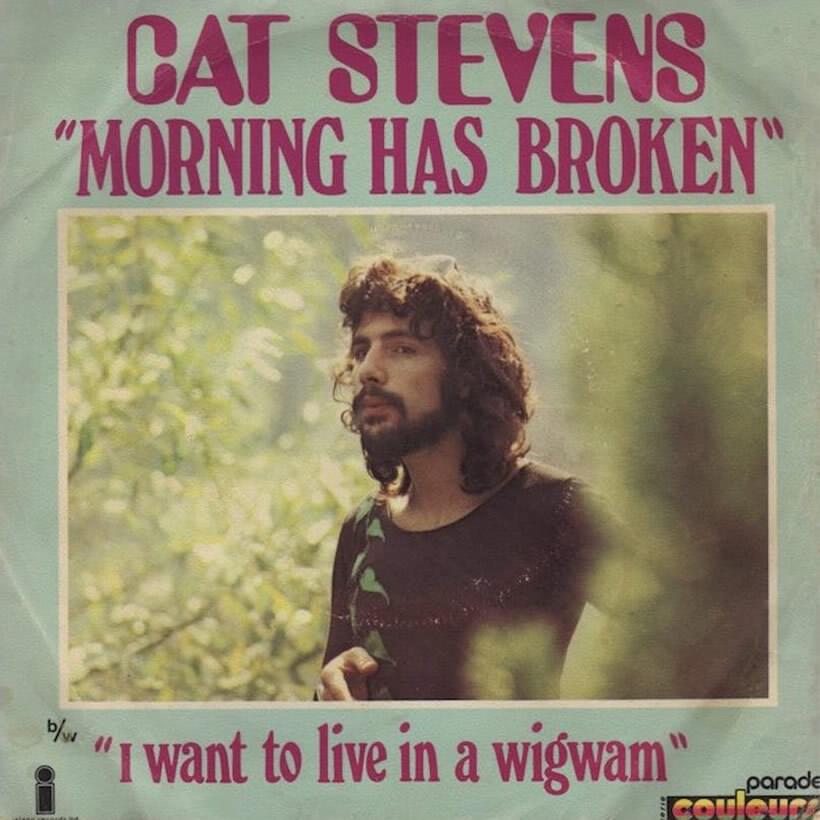
 View Artist