Advertisement

Cat Stevens
1 Listeners
Artist Bio
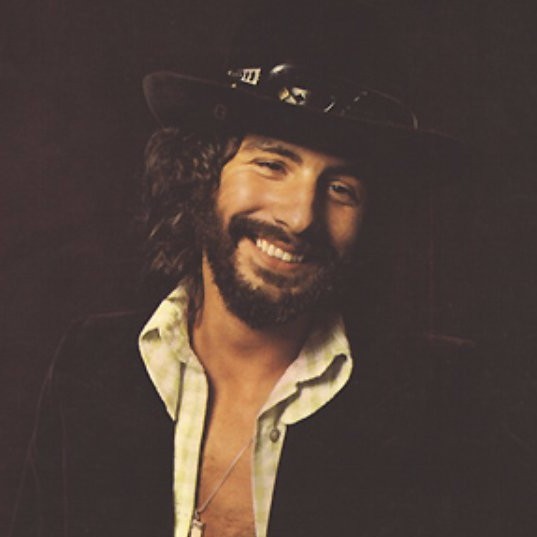
Cat Stevens, born Steven Demetre Georgiou in London, England, stands as a towering figure in the landscape of folk-pop music. His soulful voice, coupled with introspective lyrics that plumb the depths of the human experience, resonated deeply with audiences worldwide, cementing his place as a defining voice of the 1970s and beyond. Stevens' journey is one of remarkable artistic achievement, spiritual exploration, and ultimately, a profound personal transformation.
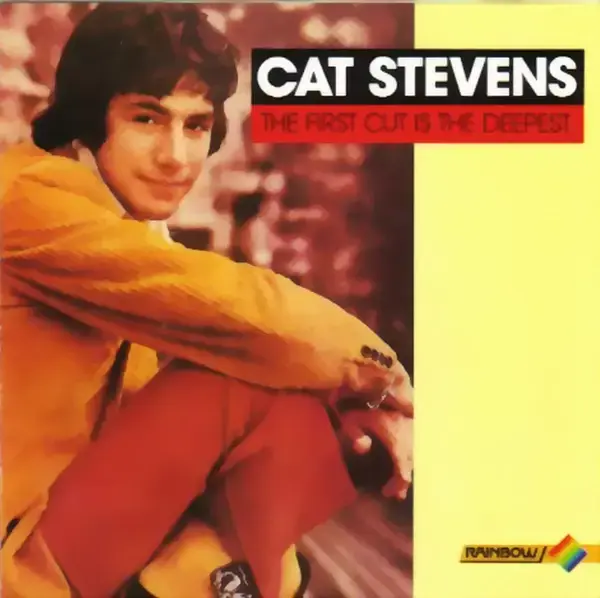
Stevens’ early musical inclinations led him to penning songs as a teenager, drawing inspiration from a diverse range of influences, including The Beatles, Bob Dylan, and traditional Greek music. By the late 1960s, he had already achieved considerable success with upbeat pop hits, but a near-fatal bout of tuberculosis in 1969 proved to be a pivotal turning point. Confined to bed for months, Stevens delved into introspection and spiritual seeking, experiences that would profoundly shape his subsequent songwriting. He emerged with a new artistic vision, crafting more personal and contemplative songs that explored themes of faith, love, and the search for meaning.
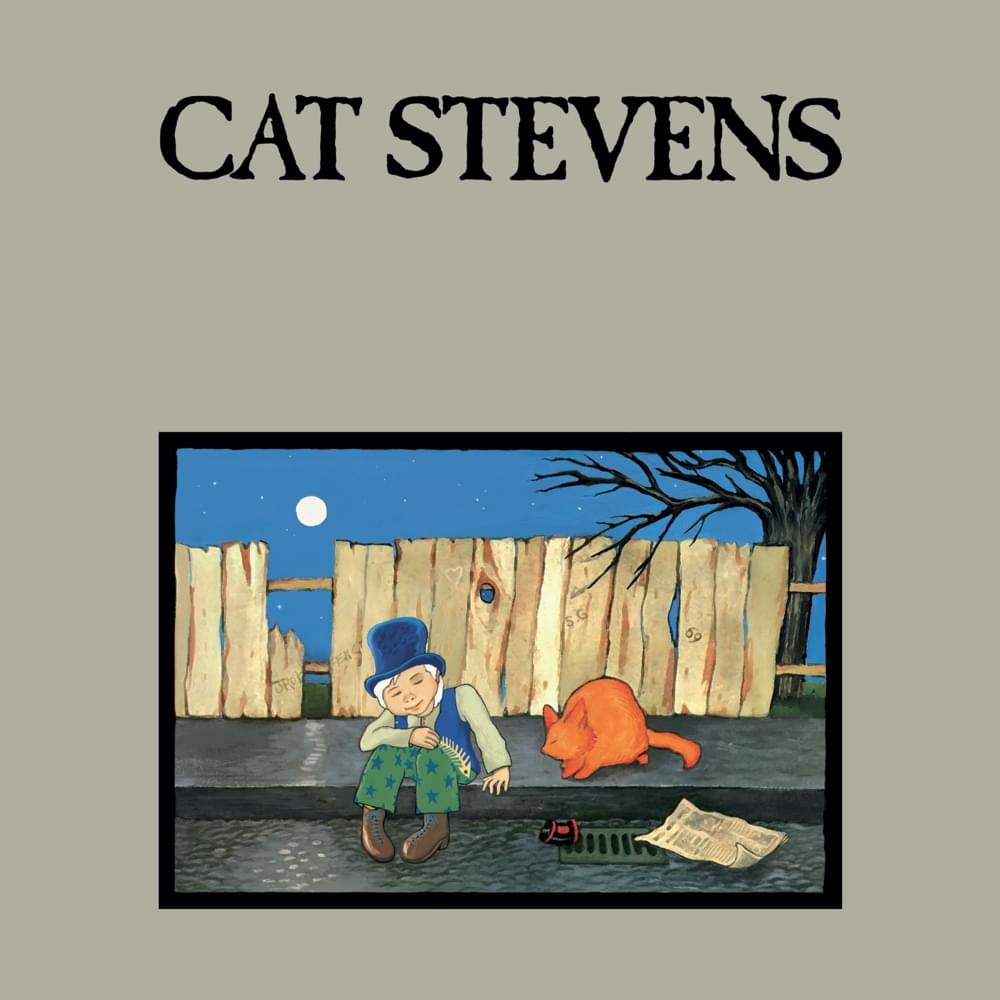
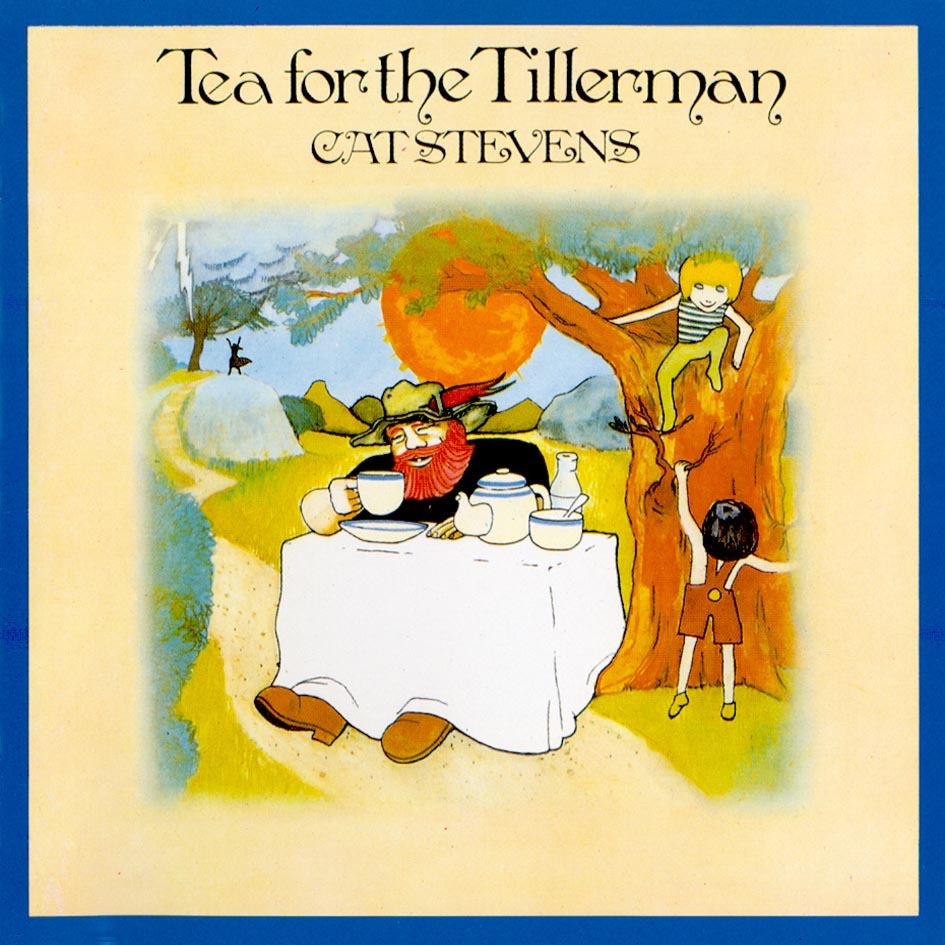
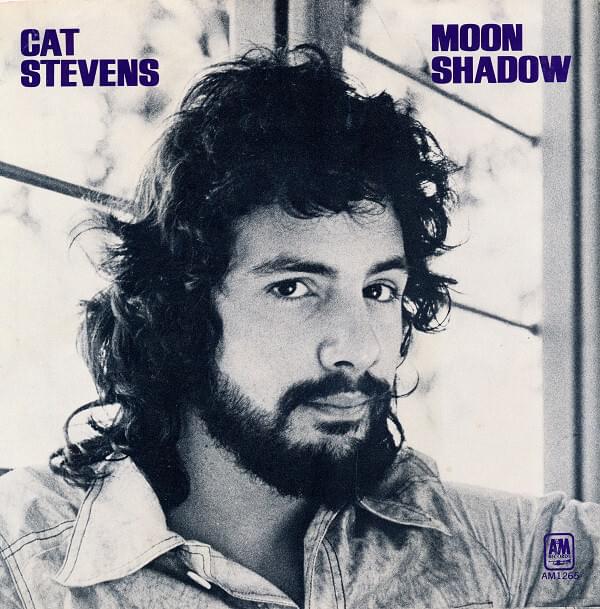
The early 1970s marked the zenith of Cat Stevens’ career. Albums like *Tea for the Tillerman* and *Teaser and the Firecat* became instant classics, spawning enduring hits that continue to captivate listeners today. Songs like Moonshadow, with its whimsical imagery and underlying message of hope, became anthems for a generation seeking peace and understanding. His music offered a gentle, thoughtful counterpoint to the turbulent times, providing solace and inspiration to millions. The sincerity and vulnerability in his voice made him instantly relatable. Even tracks like Bitterblue, showcasing the melancholy side of love, are delivered with a soothing tenderness that is comforting.
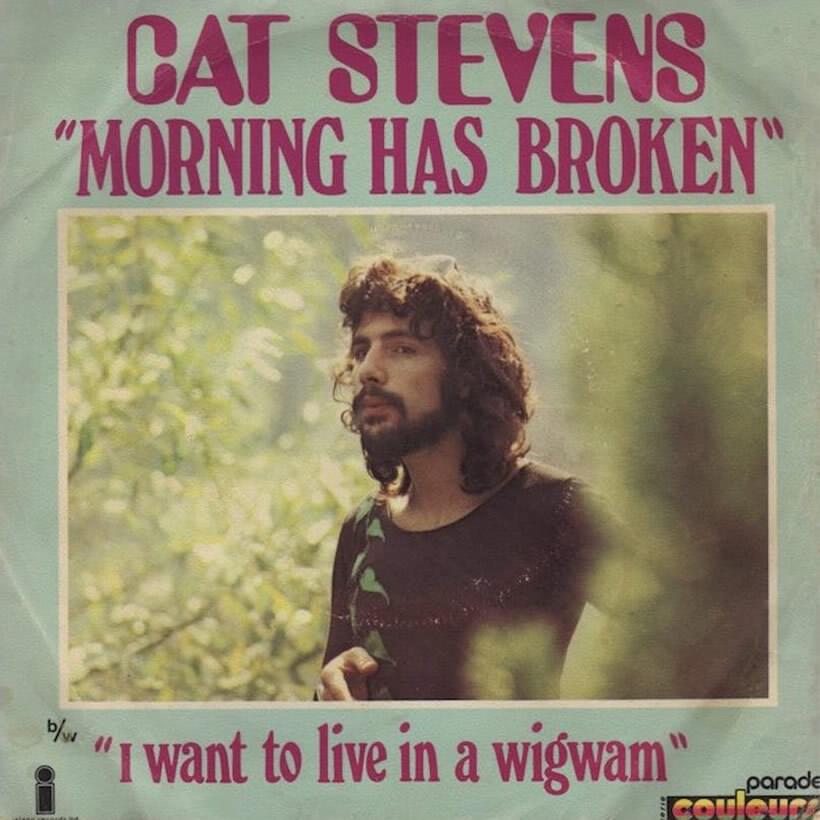
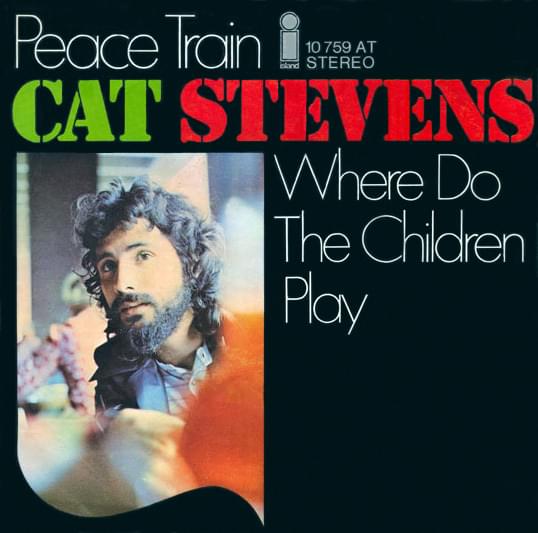
His talent for crafting melodies that were both catchy and deeply moving is evident across his discography. Who can forget the simple, yet powerful beauty of Morning Has Broken, a hymn-like song that showcases Stevens' ability to breathe new life into traditional forms? Or the hopeful message in Peace Train, which captured the zeitgeist of the era? The deeply personal track The Wind also exemplifies his talent.
In the late 1970s, at the height of his fame, Stevens embraced Islam and adopted the name Yusuf Islam. He subsequently withdrew from the music industry to dedicate himself to his faith and family. While this decision initially saddened many fans, it reflected Stevens’ unwavering commitment to his spiritual path. In recent years, Yusuf Islam has returned to music, releasing new albums and performing live, much to the delight of his loyal following. His journey is a testament to the transformative power of music and the enduring search for meaning in a complex world.
Popular Albums


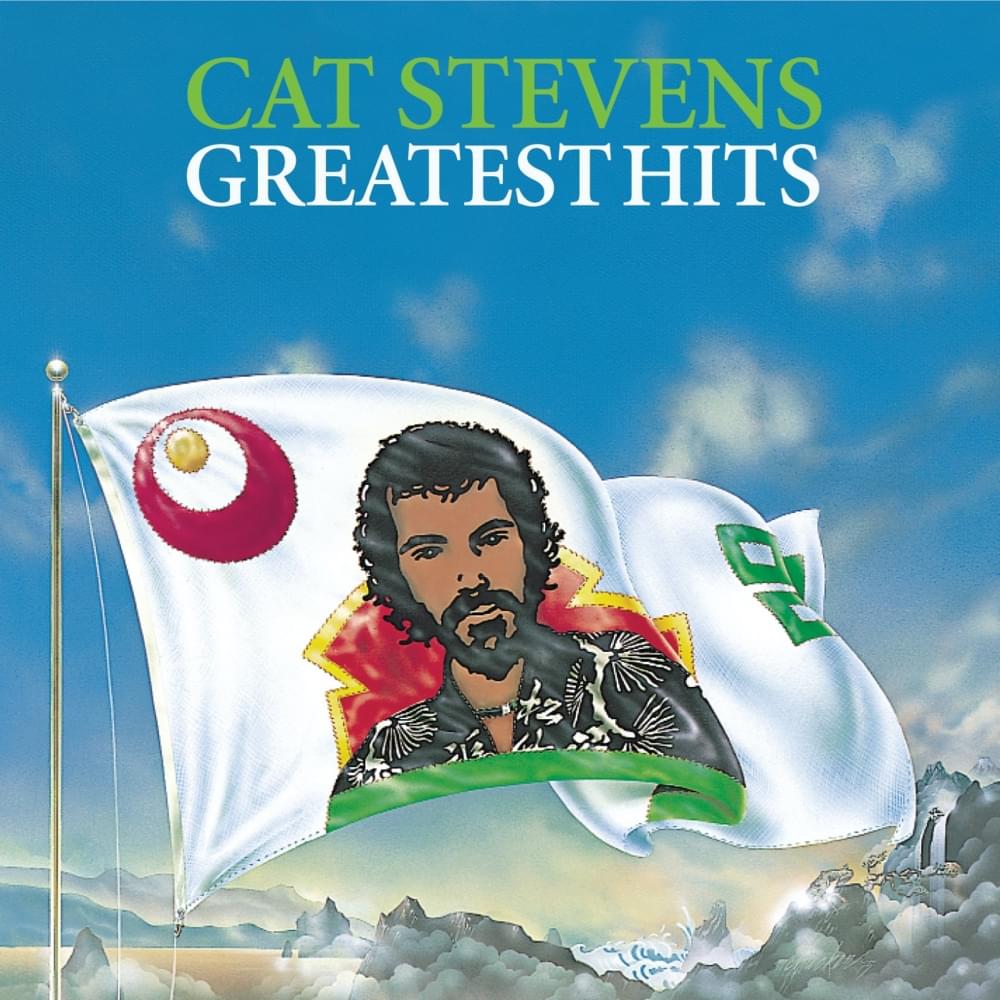
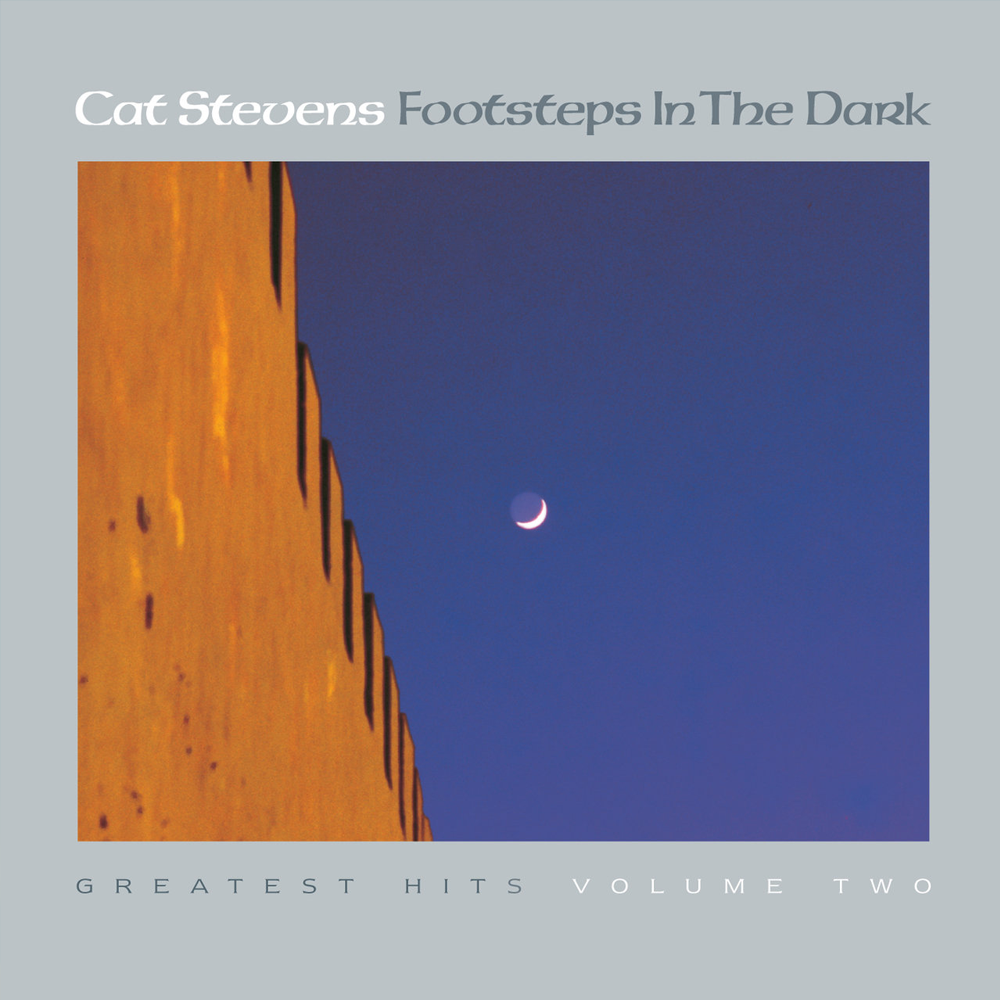
Greatest Hits

Teaser And The Firecat (Deluxe)

Harold And Maude (Original Motion Picture Soundtrack / Deluxe)

First Cuts

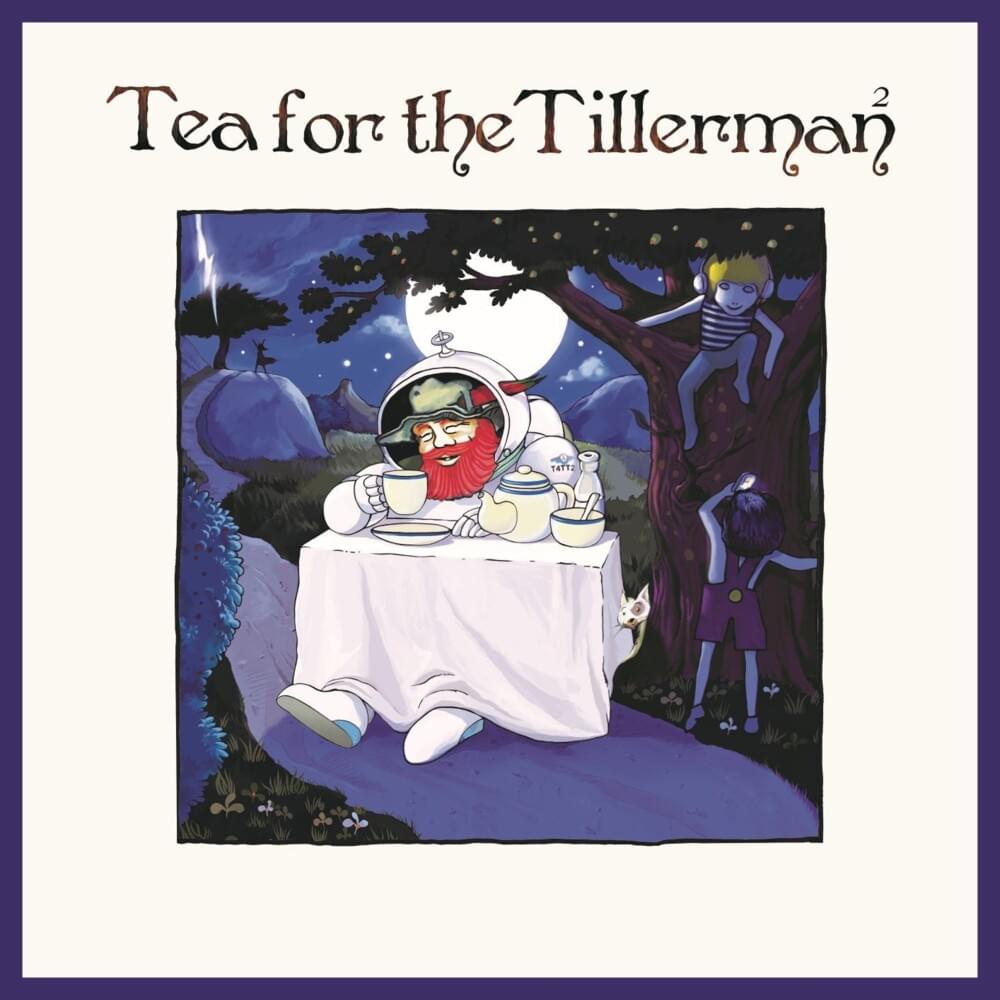
Tea for the Tillerman

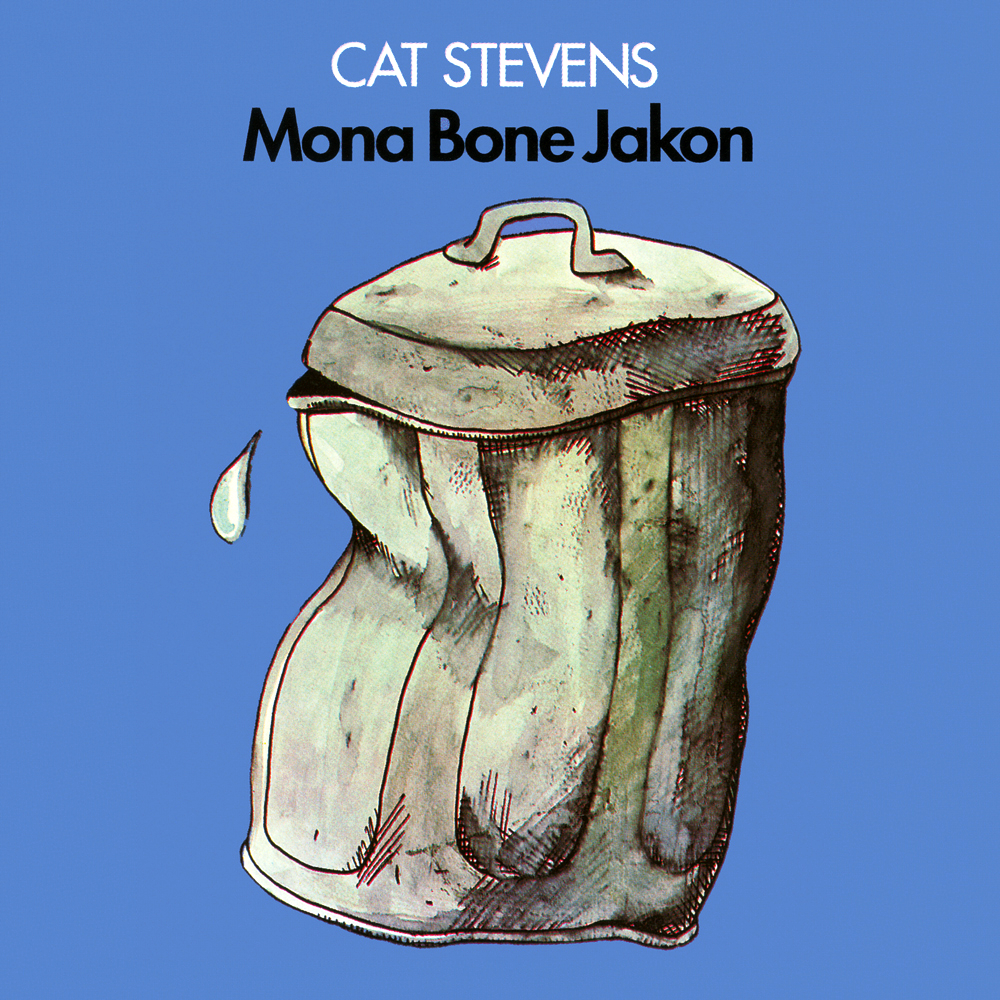
Mona Bone Jakon

Izitso

Tell ’Em I’m Gone

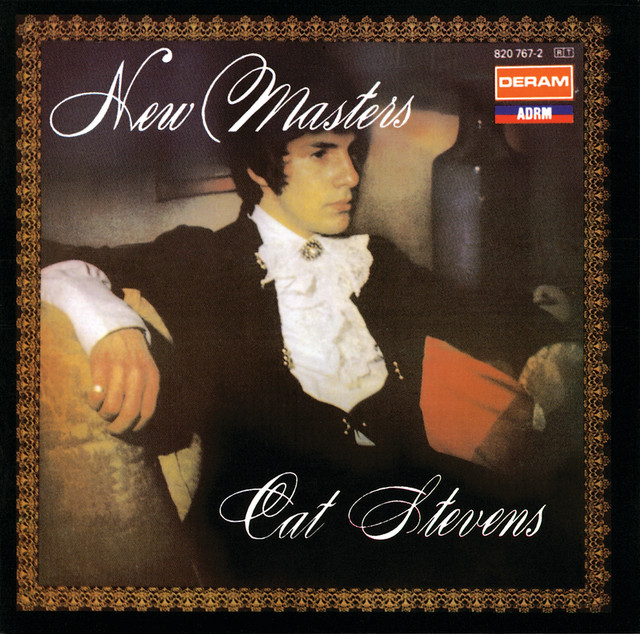
New Masters

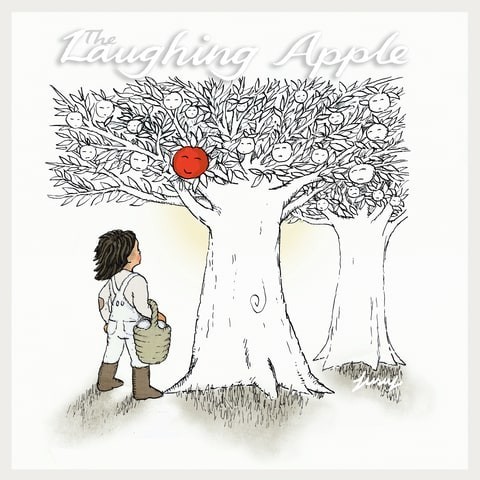
The Laughing Apple

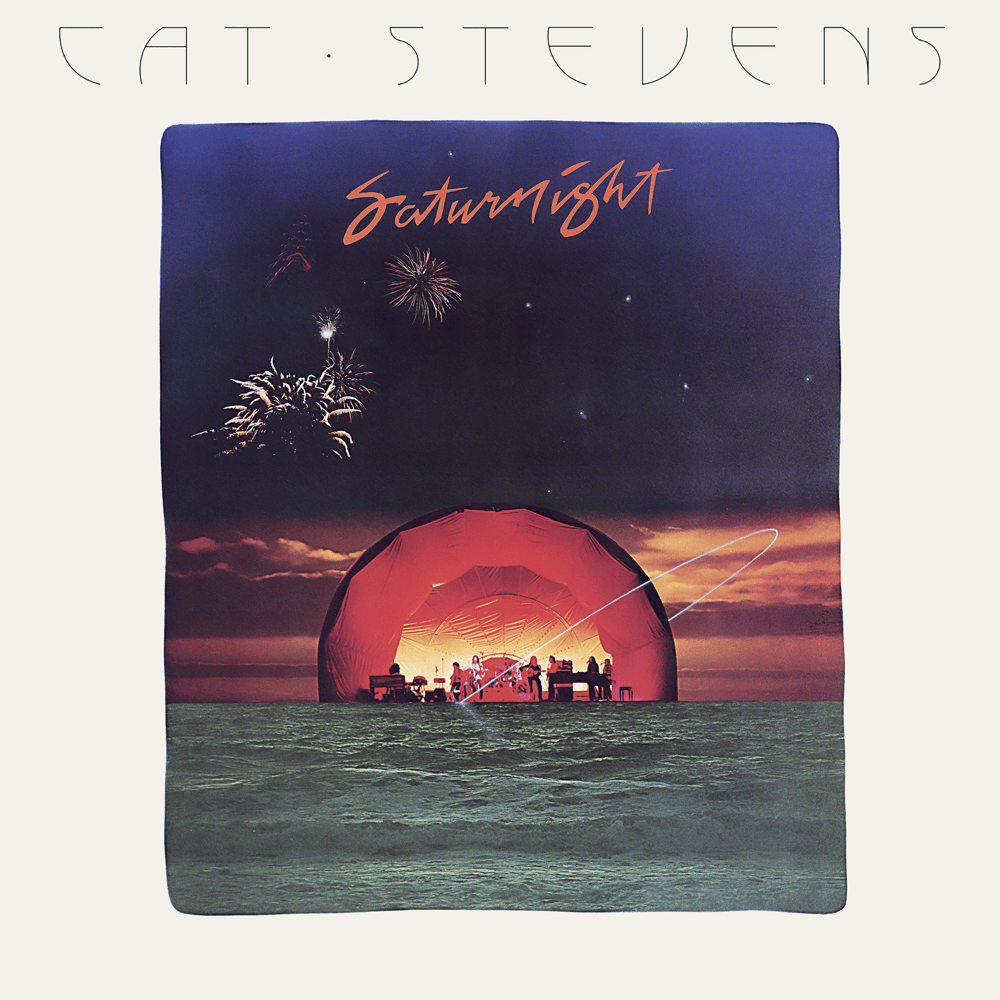
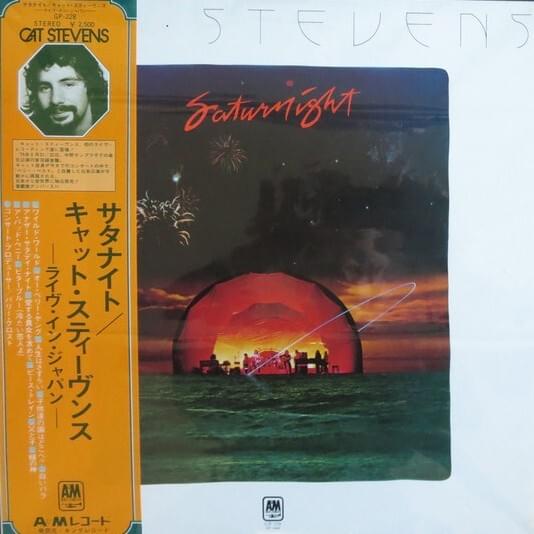
Saturnight (Live in Tokyo)

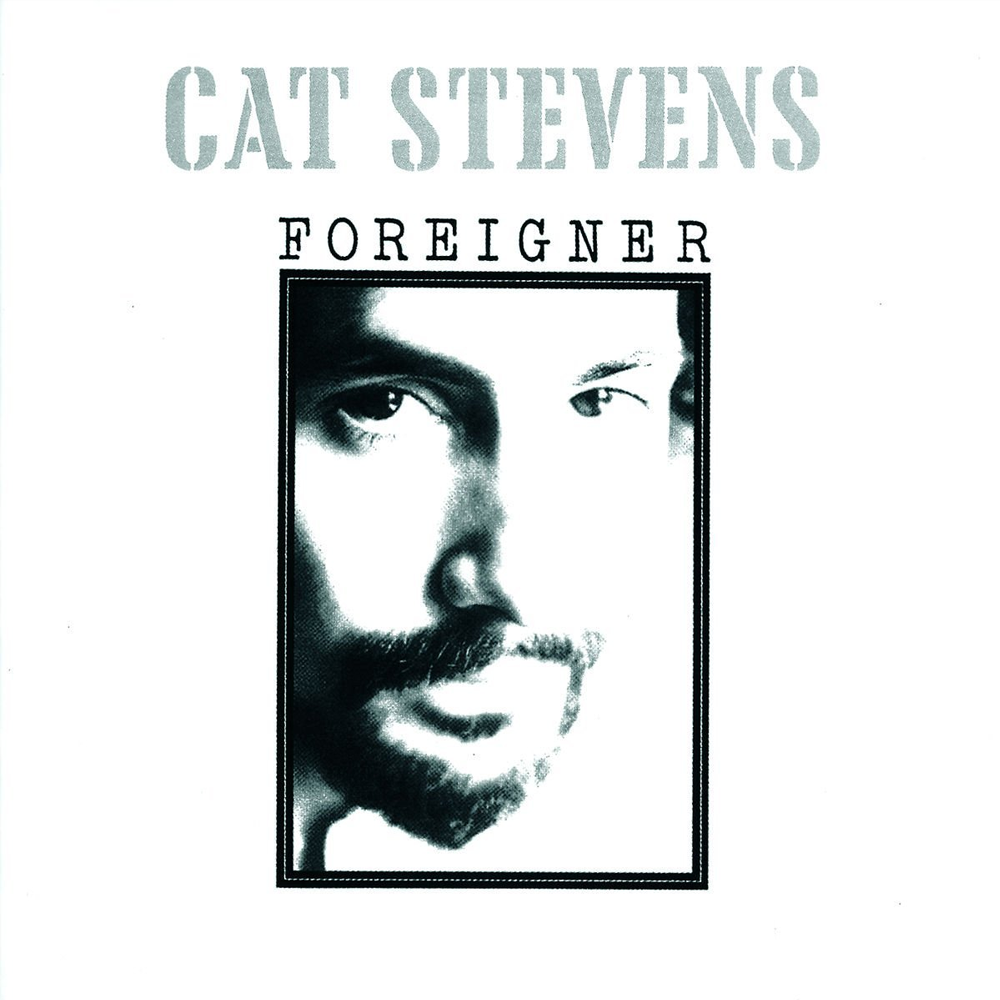
Foreigner

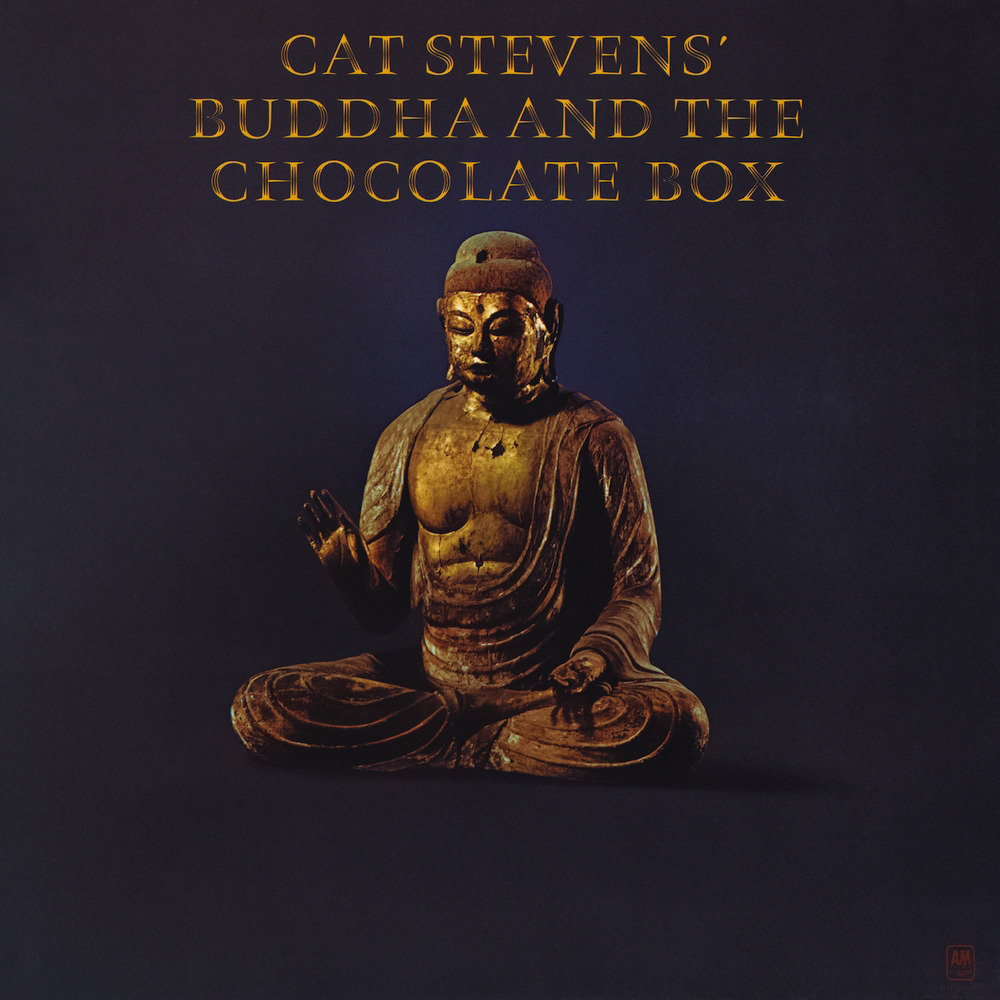
Buddha and the Chocolate Box

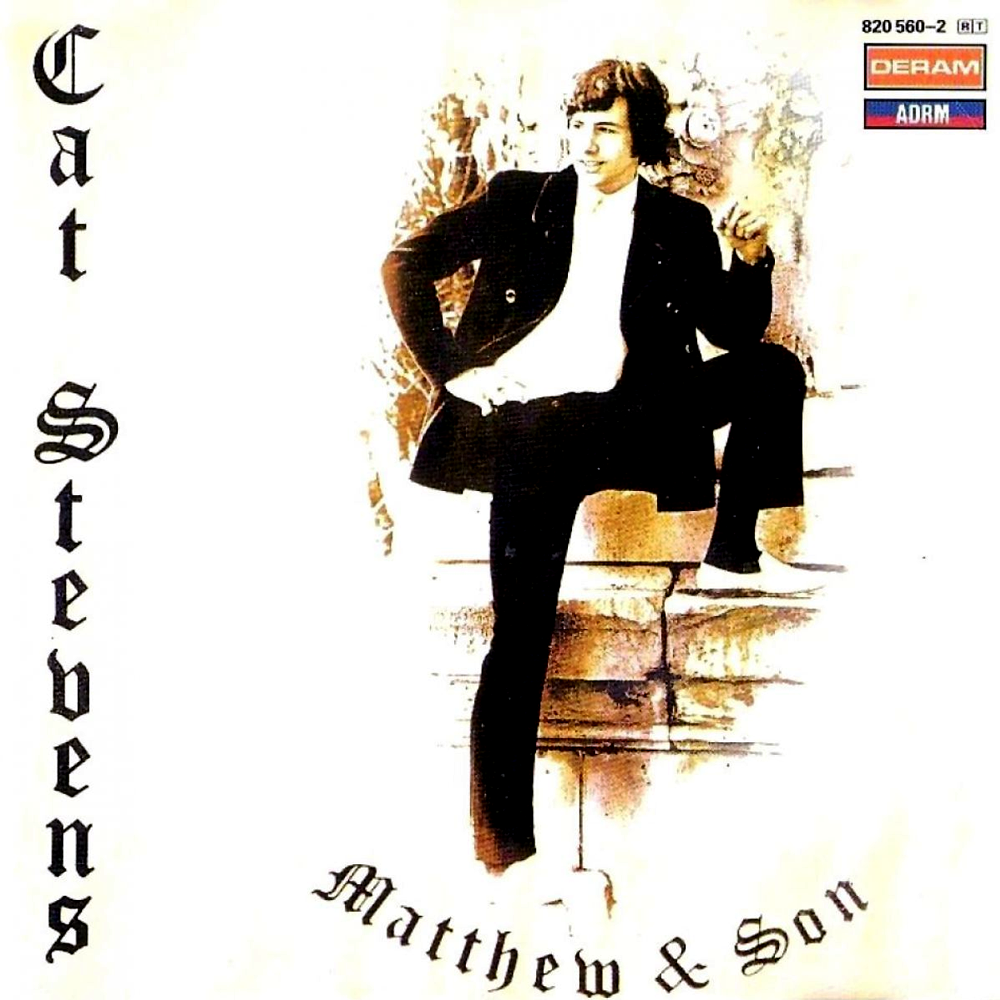
Matthew and Son

Saturnight (Cat Stevens Live in Tokyo)

Icon

King of a Land

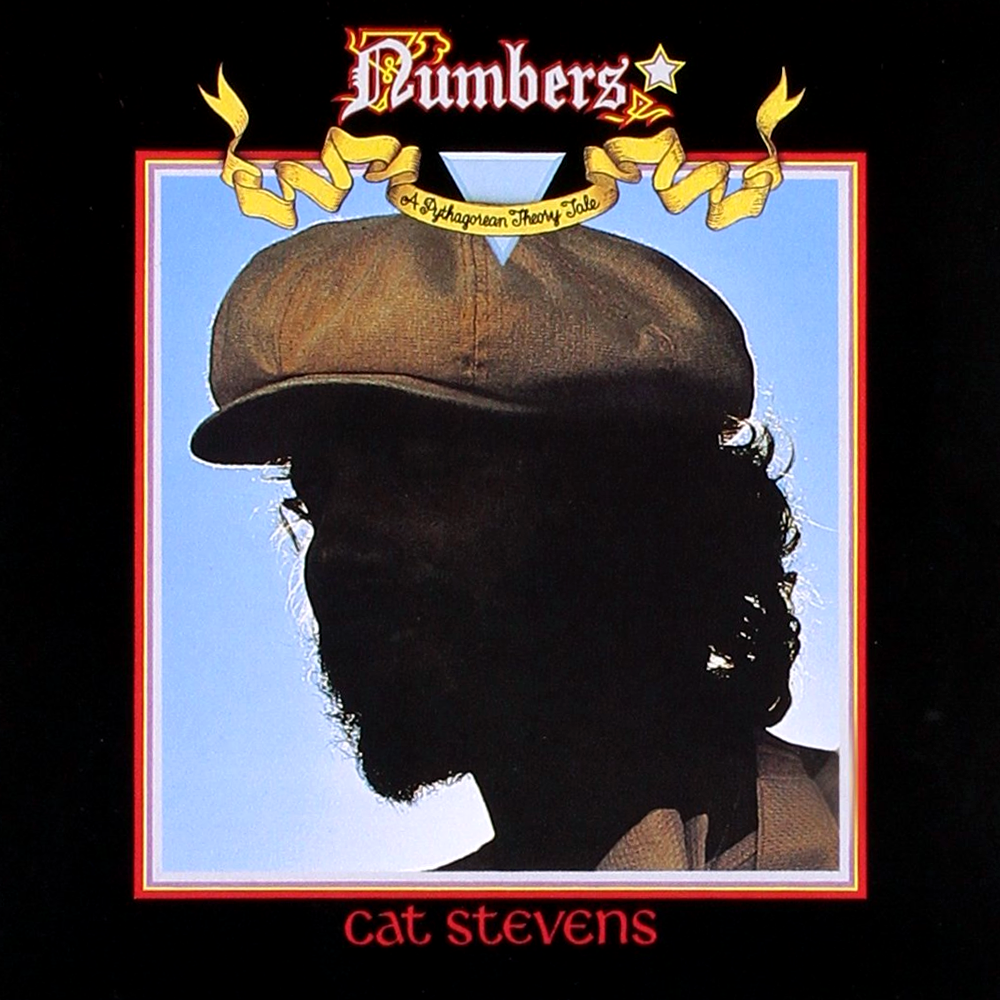
Numbers