Song Meaning
Cat Stevens' "Lovely City (When Do You Laugh?)" isn't just a wistful query; it's a psychological autopsy of urban alienation. The recurring question, "Lovely city, when do you laugh? Stony people, what do you have?" acts as both a lament and an accusation. Stevens isn't simply observing a lack of joy; he's probing the emotional aridity at the heart of modern metropolitan life. The "stony people" aren't necessarily cruel, but rather emotionally calcified, perhaps by the very environment they inhabit. The song meaning hinges on this perceived emotional disconnect.
The verses offer a glimpse into the cause of this emotional shutdown. The "bright shiny cloud" suggests a superficial pursuit of happiness, a reliance on material possessions or fleeting pleasures to mask a deeper emptiness. There's a subtle critique of mindless conformity ("no method in your mind") and repressed anger ("your tempers are kind"). The speaker sees through the facade, recognizing the underlying discontent. He is an unwelcome presence, an "unexpected visitor" who disrupts the carefully constructed illusion of well-being.
Ultimately, "Lovely City (When Do You Laugh?)" is a plea for authenticity. Stevens isn't just asking for a smile; he's yearning for genuine human connection. The line "I'm a part of you, you don't wanna be" hints at a shared humanity that's been buried beneath layers of urban detachment. The tragedy, as the lyrics analysis suggests, is that the city dwellers are so entrenched in their emotional numbness that they can't even perceive the speaker's presence, let alone his message. The repetition of the central question underscores the futility of the speaker's attempt to penetrate their emotional armor.
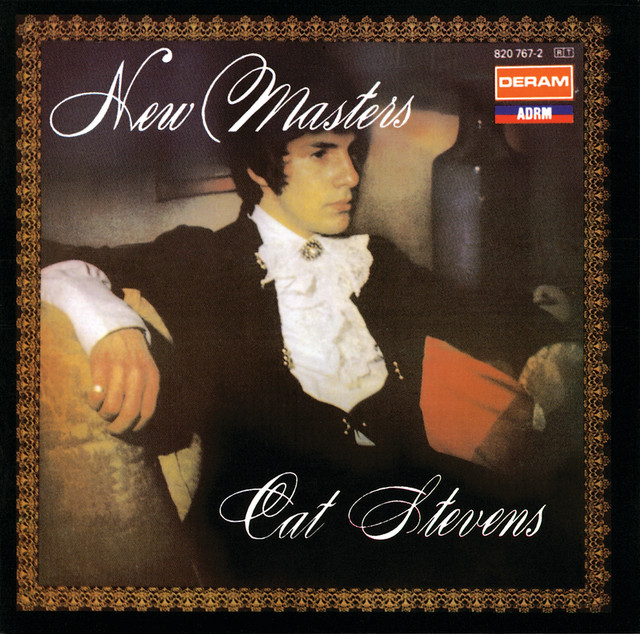
 View Artist