Song Meaning
Cat Stevens' "Everytime I Dream" isn't just a lullaby; it’s a haunting exploration of subconscious anxieties and the bittersweet ache of longing. The recurring dreams, vividly rendered with streets and alleyways unknown to the narrator's waking life, suggest a deep dive into the uncharted territories of the psyche. These aren't peaceful pastures; they're unsettling landscapes where the dreamer is "lifted to a height" that induces fear, hinting at an ambition or potential that feels simultaneously exhilarating and terrifying. This tension between aspiration and fear forms the core of the song's emotional landscape.
The yearning for connection permeates the lyrics. Each night becomes a renewed hope for reunion, a "night of nights" where the narrator might finally encounter a significant "you." The image of "crimson curtains slowly rising on an empty stage" is particularly striking, evoking a sense of theatrical anticipation that ultimately leads to disappointment. The "stall" where the narrator sits alone emphasizes isolation and the feeling of being a mere spectator in his own life, perpetually waiting for a performance that never begins. This sense of unfulfilled expectation is a powerful commentary on the human condition, suggesting the inherent loneliness that can exist even amidst dreams of connection.
The final verse plunges into a more overtly anxious realm. The dreamer is now running from a "wild pack of lies," a potent metaphor for the internal conflicts and self-deceptions that plague the subconscious. The presence of a "judge upstairs" introduces a sense of guilt and self-condemnation, further intensifying the feeling of unease. Paradoxically, even the potential presence of the longed-for "you" becomes a source of anxiety, suggesting that the reality of connection might be too overwhelming or exposing. Ultimately, "Everytime I Dream" reveals the complex interplay between hope, fear, and the enduring human desire for solace, even within the sometimes-turbulent waters of the subconscious.
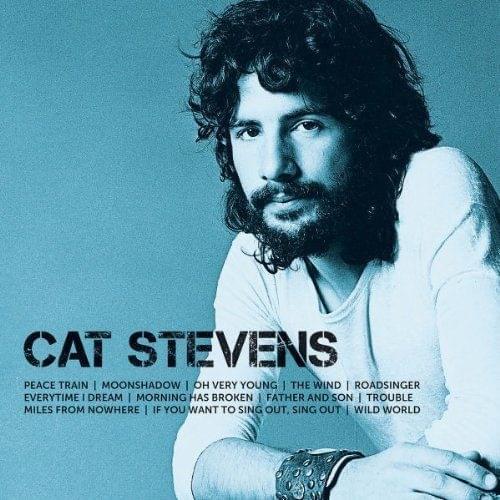
 View Artist