Song Meaning
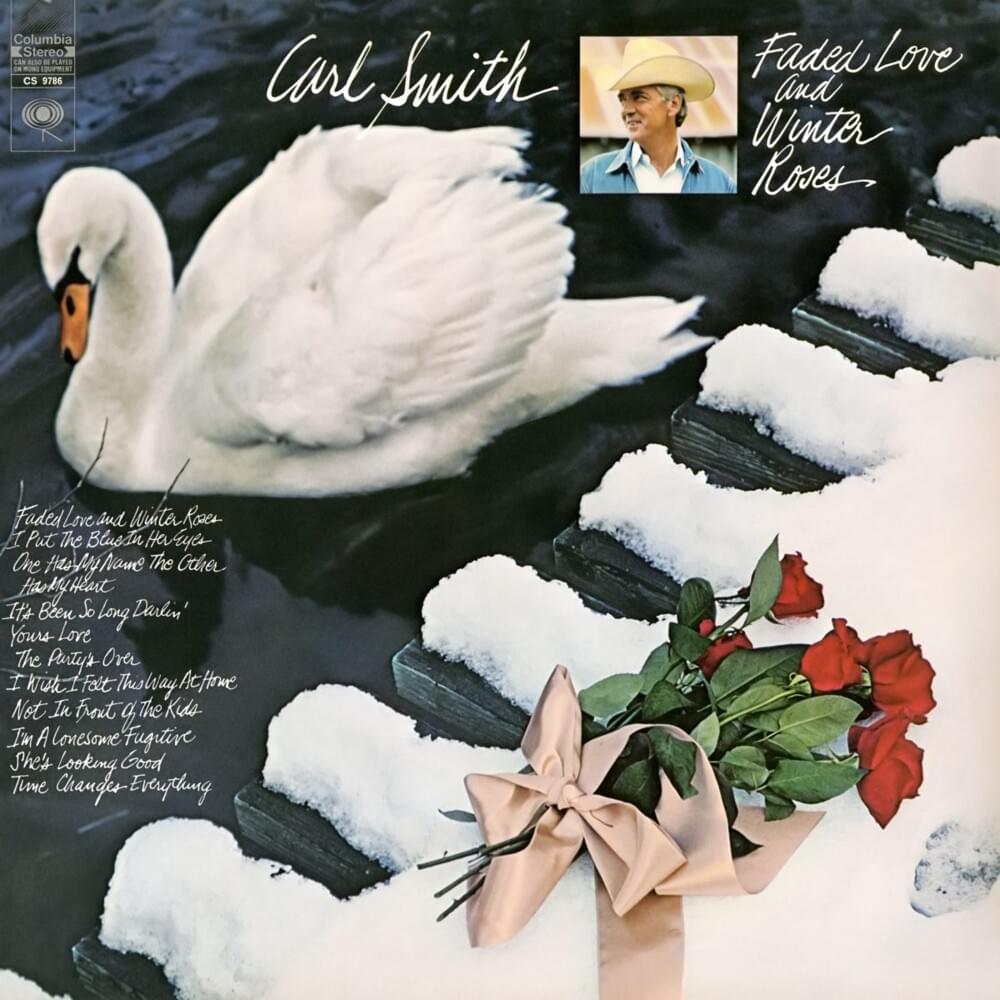
Carl Smith's "Yours Love" is less a romantic overture and more a complete, almost sacrificial offering. The lyrics paint a portrait of devotion bordering on self-annihilation, where the speaker willingly relinquishes every aspect of his being to the object of his affection. This isn't merely about sharing; it's about complete transference. The opening verses, "May the fruit of my toil be yours love / May the food from my soil be yours love," suggest a desire to provide and nurture, but they quickly escalate into something more profound. The speaker isn't just offering material possessions; he's offering the very essence of his labor, the product of his existence. This sets the stage for the more vulnerable declarations to come.
The song's emotional core resides in the speaker's willingness to surrender even his legacy and vulnerabilities. "May the sons that I raise be yours love / May the comforts I praise be yours love" speaks to a desire for his lineage, his future, to be inextricably linked to the beloved. The lines "If I ever get weak may the love words I speak / And the arms that I seek be yours love" are particularly poignant, exposing a raw vulnerability and dependence. He envisions a future where even in weakness, his love and comfort are found solely in the other person. This isn't a partnership of equals; it's a complete reliance, psychologically akin to a codependent relationship where self-identity blurs.
Ultimately, "Yours Love" crescendos into a plea for eternal connection. The invocation of divine grace ("May the Lord's shining grace be yours love") elevates the love to a spiritual plane, seeking not just earthly union but also divine blessing. The final, almost morbid, lines – "May the last fingertips that touch these two lips / As life from me slips be yours love" – underscore the totality of the offering. Even in death, the speaker wants his last sensation, his final moment of existence, to be defined by this love. The song, therefore, becomes a testament to a love that transcends conventional boundaries, blurring the line between devotion and self-abnegation. It's a powerful, if unsettling, exploration of the human desire for connection and the lengths to which some are willing to go to achieve it.
 View Artist