Song Meaning
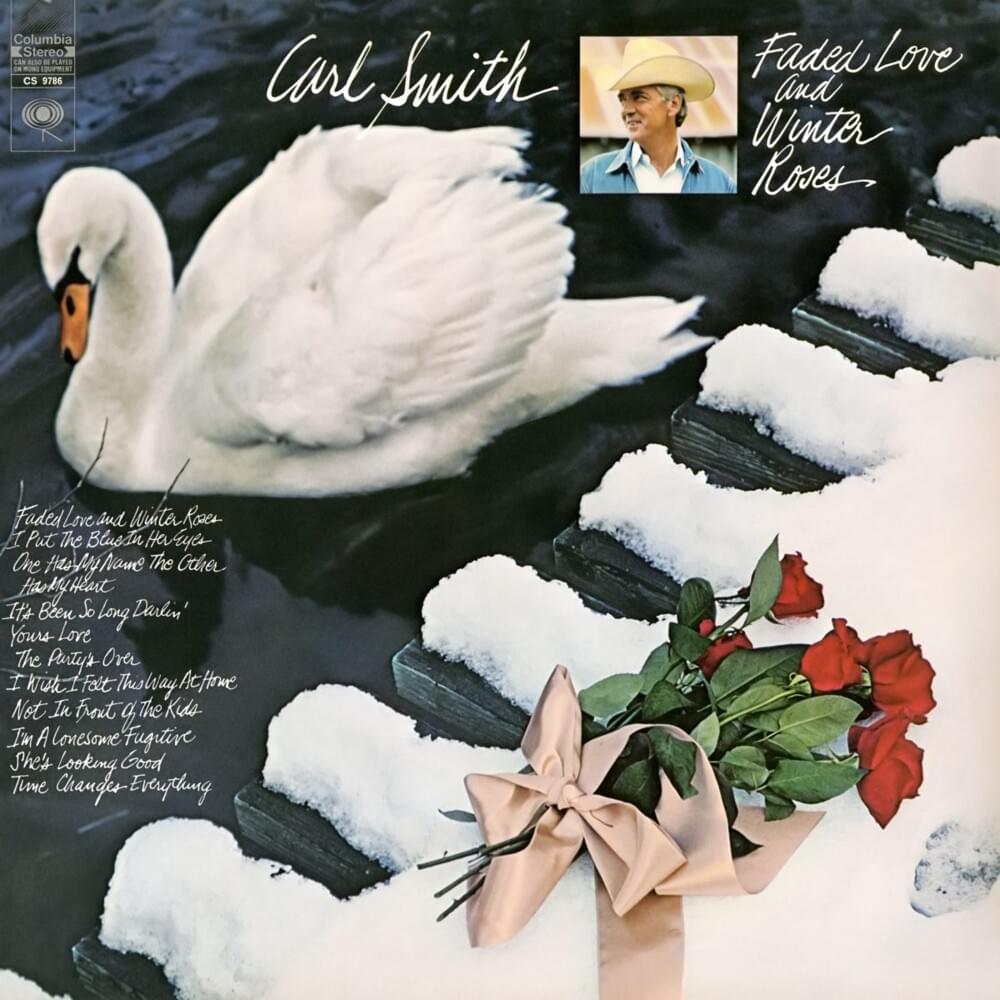
Carl Smith's "One Has My Name The Other Has My Heart" is a masterclass in country music's favored theme: the agonizing split between obligation and desire. It's not merely a tale of infidelity; it's a stark portrait of a man psychologically imprisoned by his choices. The lyrics sketch out a classic love triangle, but the real drama simmers beneath the surface, in the speaker's internal conflict. He's bound by name—by societal contract, presumably marriage—to one woman, while his heart irrevocably belongs to another. The ache isn't just about forbidden love; it's about the slow burn of a life half-lived.
The song's brilliance lies in its simplicity. Smith doesn't resort to overwrought melodrama. Instead, he delivers each line with a world-weary resignation. The contrasting descriptions of the women—brown eyes versus blue, tied versus true—highlight the irreconcilable nature of his predicament. One offers security and a social identity, the other offers genuine emotional connection. The repeated lines, "One has my love the other only me / But what good is love to a heart that can't be free," underscore the futility of his situation. He's loved, yes, but trapped in a gilded cage of his own making.
Ultimately, "One Has My Name The Other Has My Heart" resonates because it taps into a universal fear: the fear of making the wrong choice and being forced to live with the consequences. The final lines, "If I could live over my life I would change / The one who has my heart would also have my name," are not just a lament; they're a chilling admission of regret. It's a raw, unflinching look at the emotional toll of a life built on compromise, a compromise that has left the singer permanently fractured.
 View Artist