Song Meaning
Carl Smith's "I Cried Again" isn't just heartbreak; it's a portrait of sustained grief, a study in the cyclical nature of sorrow. The song avoids grand pronouncements, instead focusing on the small, repeated stabs of pain that come with witnessing a lost love move on. The opening verse sets the scene with brutal efficiency: the confession of love followed immediately by the wedding announcement. Smith doesn't linger on the initial shock, but on the act of watching, the quiet agony of seeing the loved one holding another's hand. That visual is the trigger, the catalyst for the tears that become the song's refrain. It is a raw image burned into the narrator's memory.
The second verse shifts to the aftermath, the solitude amplified by the presence of the lover's photograph. It's a classic country music tableau of loneliness, but the specificity of "things that might have been" elevates it beyond cliché. The narrator isn't just sad; he's haunted by the ghost of unrealized potential, the paths not taken. The act of bowing his head suggests not just defeat, but a kind of ritualistic mourning, a repeated act of submission to the pain.
The final verse moves towards a kind of resolution, a declaration of intent to remove the triggers, "throw your things away." But even this act is tinged with sadness, framed as a preventative measure against further pain. It's not an act of anger or defiance, but of self-preservation, a recognition that the cycle of grief will continue unless he actively intervenes. The line "they would always bring me pain / And then I'd only cry again" is the crux of the song, a bleak acknowledgement that healing isn't a singular event, but a constant process of managing triggers and avoiding the inevitable return of sorrow. In essence, the lyrics reveal that love is not enough, and the memories of what once was can become a source of constant emotional torment.
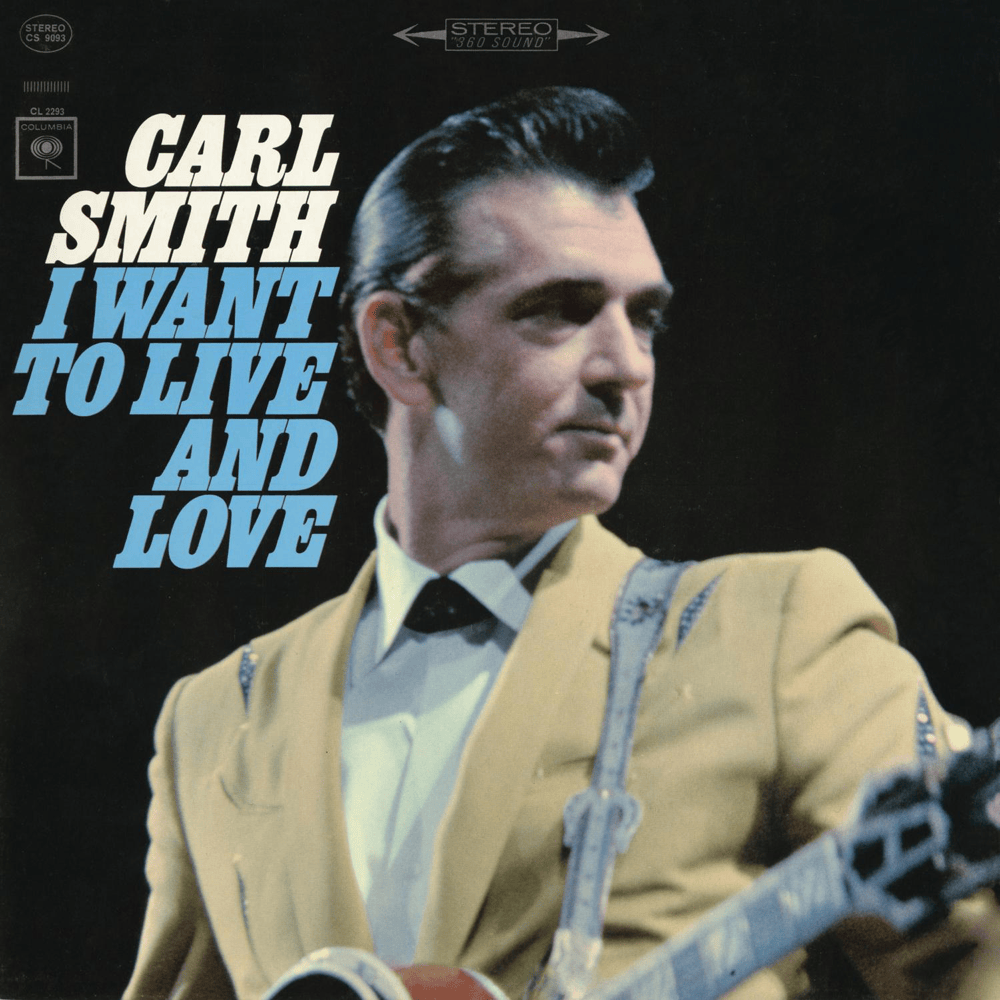
 View Artist