Song Meaning
Carl Smith's "Memory Number One" isn't just another country ballad rehashing lost love; it's a raw, almost painfully honest, excavation of regret. The song's core simplicity—lyrically and musically—belies the complex emotional landscape it navigates. Smith isn't singing about idealized romance; he's dissecting the aftermath of choices, the slow burn of realizing a past love wasn't just *a* memory, but *the* memory against which all others are measured, and found wanting. The repeated line isn't just a chorus; it's a hammer blow of self-awareness.
The brilliance lies in the confessional tone. Smith calls himself a fool, not in a self-pitying way, but with a weary acceptance of his own failings. He admits to other "sweethearts" and "fun," acknowledging a life lived, but implicitly arguing a life perhaps misspent. The line, "when I stop and think of true love, well you're my memory number one," cuts deep. It's not about fleeting passion; it's about the enduring quality of genuine connection, a connection he seemingly squandered. This isn’t some teenage lament; it's a grown man staring down the barrel of his own history.
Ultimately, "Memory Number One" functions as a stark reminder that nostalgia isn't always rose-tinted. Sometimes, it's a brutal confrontation with what could have been. The song meaning resides not in the beauty of the lost love itself, but in the lingering ache of its absence, a void that all the "golden memories" and fleeting encounters can never truly fill. Smith's delivery, understated yet imbued with a world-weariness, amplifies the song's impact. It's a masterclass in emotional economy, proving that sometimes, the greatest depths are found in the simplest expressions of human experience.
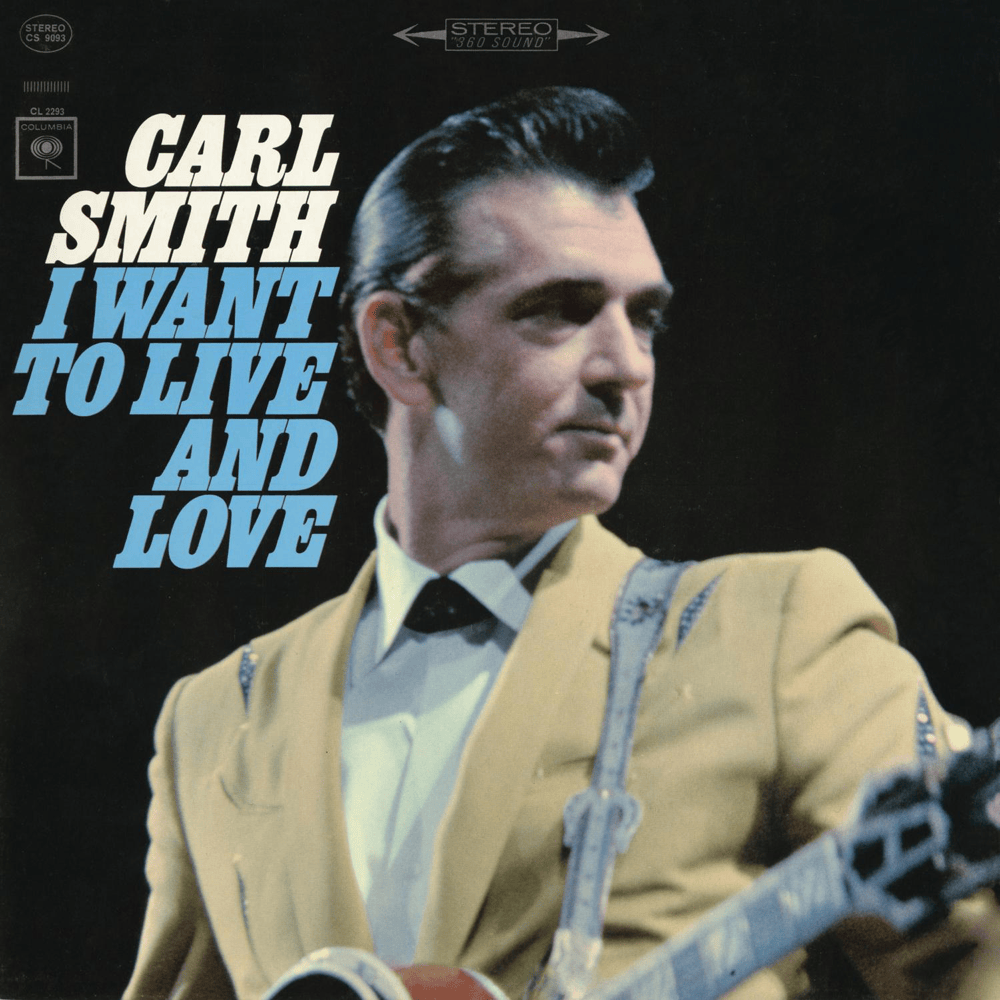
 View Artist