Song Meaning
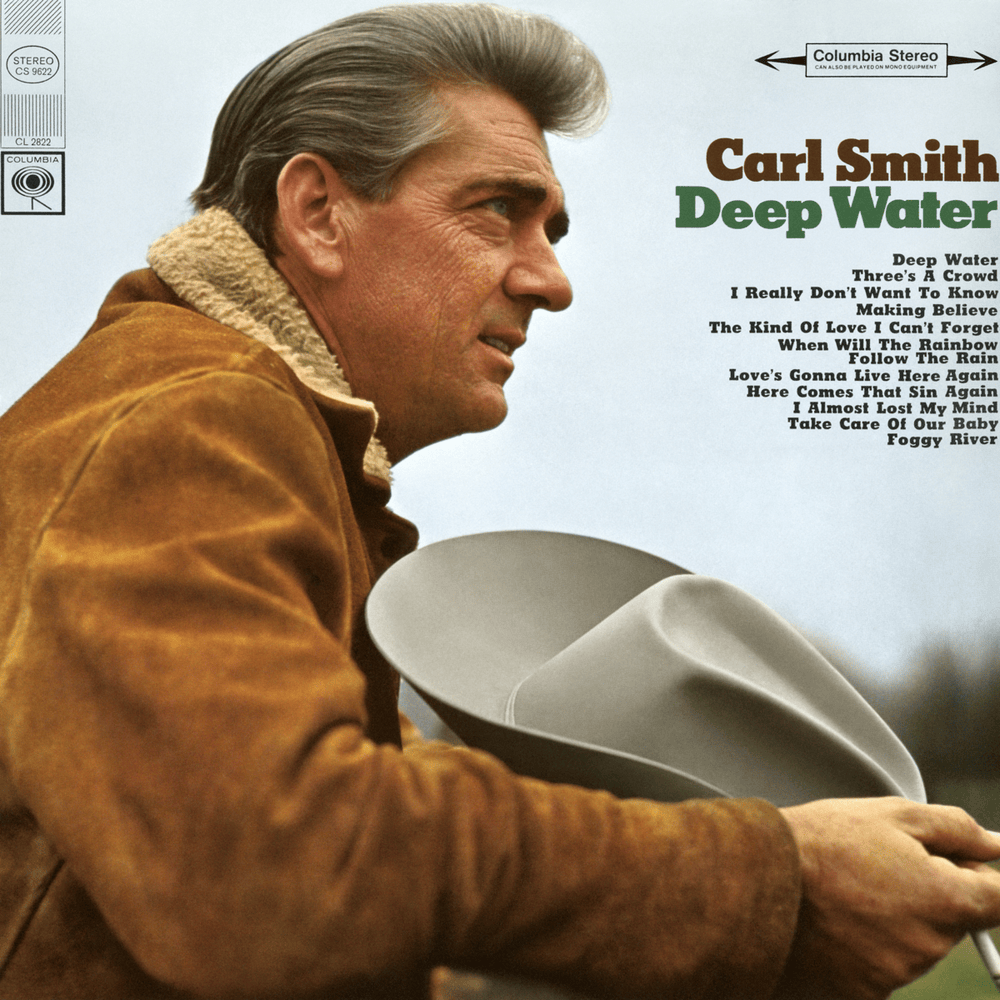
Carl Smith's "The Kind Of Love I Can't Forget" isn't just another country lament; it's a raw, exposed nerve of regret. The song's meaning hinges on the chasm between what *was* and what *could have been*. Smith isn't singing about a lost love as much as he's dissecting his own culpability in its demise. The repetition of 'The kind of love I can't forget, dear, was the love you gave to me' functions as both a nostalgic yearning and a self-inflicted wound. He's trapped in a loop of remembering the very thing he destroyed. The "misery" he describes isn't just sadness; it's the specific, agonizing pain of knowing he squandered something precious. It’s like the psychological concept of 'loss aversion' magnified through a honky-tonk lens.
The lyrics subtly reveal the dynamic of the relationship. The woman's heart was "truly fond and faithful," suggesting a stability and devotion he clearly failed to reciprocate. His confession, "to you, sweetheart, I will confess," implies a burden of guilt, a secret he’s carried that contributed to the relationship's downfall. The rawness of the lyrics steers clear of cliché because it owns the speaker's failing.
The final verse introduces a desperate plea for reconciliation: "So why not take me back again, dear?" But even this is tinged with a certain self-awareness. Is it genuine hope, or just another attempt to soothe his own conscience? The plea almost sounds rhetorical, as if he already knows the answer. The cyclical structure of the song, returning to the initial statement of unforgettable love, suggests a man destined to forever replay this loss, a prisoner of his own bad choices and the enduring memory of the love he let slip away. Ultimately, "The Kind Of Love I Can't Forget" becomes a study in the psychology of regret, perfectly encapsulated in a classic country sound.
 View Artist