Song Meaning
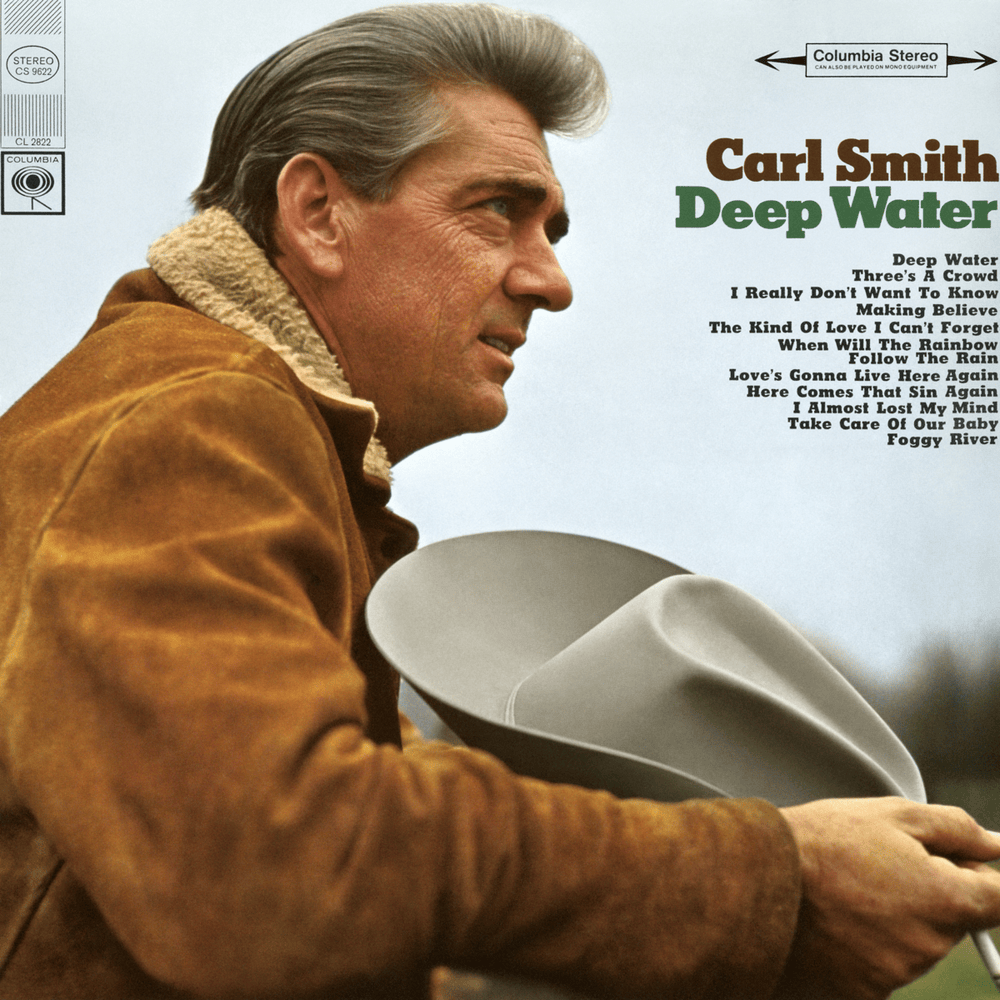
Carl Smith's "I Almost Lost My Mind" isn't just a lament; it's a raw, visceral portrait of psychological unraveling. The song plunges into the depths of despair triggered by a lover's departure. The opening lines, repeating the phrase "I almost lost my mind," function as both a confession and a warning. It's not merely sadness; it's a brush with complete mental disintegration. This isn't a measured reflection on heartbreak; it's the immediate, chaotic aftermath. The simplicity of the lyrics amplifies the emotional impact, mirroring the disorienting simplicity of grief itself. Smith isn't interested in poetic metaphors; he's delivering a stark report from the edge.
The second verse shifts the focus to the singer's profound alienation. Lost in a sea of faces, he "can't tell who I meet." This isn't just about feeling lonely; it's about a fundamental break in his ability to connect with the world around him. His "eyes are full of tears," not just from sadness, but from a kind of perceptual short-circuit. He is adrift, unable to recognize or engage with reality in a meaningful way. The question, "Where can my baby be?" isn't just a plea for her return; it's a desperate search for a fixed point in a world that has suddenly become unrecognizable.
The encounter with the gypsy adds another layer of bleakness. Seeking solace or a glimmer of hope, the singer instead receives confirmation of his worst fears: "Your baby's gone, this time she's gone for good." This pronouncement isn't just the end of a relationship; it's the sealing of his fate. The gypsy's words act as a kind of psychological death knell, solidifying his sense of loss and pushing him further towards the brink. The repetition in the final verse underscores the finality of the situation. The "news was not so good" is a massive understatement; it's a confirmation of the singer's deepest anxieties and a catalyst for his continued descent into near madness. The song's power lies in its unflinching portrayal of how deeply intertwined our mental state can be with our emotional attachments.
 View Artist