Song Meaning
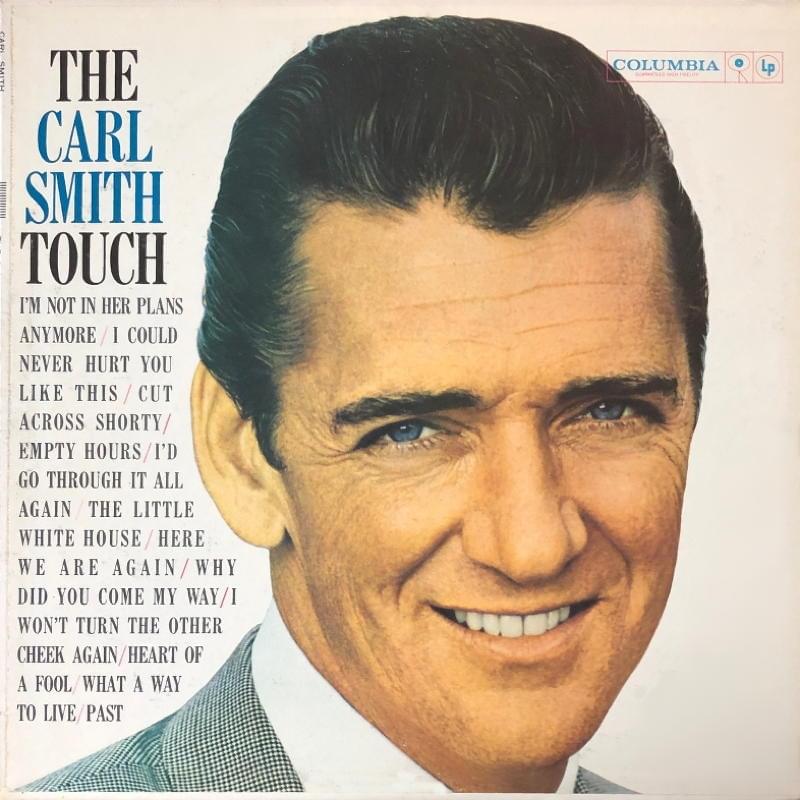
Carl Smith’s "I Won't Turn The Other Cheek Again" isn't just a country lament; it's a steel-guitar-tinged declaration of self-respect. The song meaning hinges on a familiar, yet potent, narrative: unrequited love pushed to its breaking point. Smith isn't wallowing; he's drawing a line, declaring an end to passive acceptance. The repeated line, "I won't turn the other cheek again," moves beyond simple heartbreak. It speaks to a deeper psychological shift, a refusal to endure further emotional exploitation in the hopes of winning affection. It's a powerful stance against the kind of self-abnegation often romanticized in traditional country music. Smith's delivery imbues the lyric with a world-weariness that suggests this isn't the first time he's offered forgiveness, only to be met with indifference.
The song's brilliance lies in its layered simplicity. While the lyrics are direct, they hint at a complex dynamic. The object of his affection, portrayed as prioritizing "fun and bright lights," is implicitly criticized for a certain shallowness. There's a prediction, almost a curse, woven into the narrative: that these fleeting pleasures will eventually lead to loneliness on "love's lost highway." This isn't just about romantic rejection; it's about differing values and a fundamental incompatibility. The "dreams that might have been" are not just romantic fantasies, but a potential shared life that was sacrificed for superficial pursuits.
Ultimately, "I Won't Turn The Other Cheek Again" transcends the typical country heartbreak trope. It's a study in boundaries, a recognition of self-worth, and a cautionary tale about the consequences of prioritizing fleeting gratification over genuine connection. The song's enduring appeal lies in its unflinching honesty and the quiet dignity with which Carl Smith delivers its powerful message of self-preservation.
 View Artist