Song Meaning
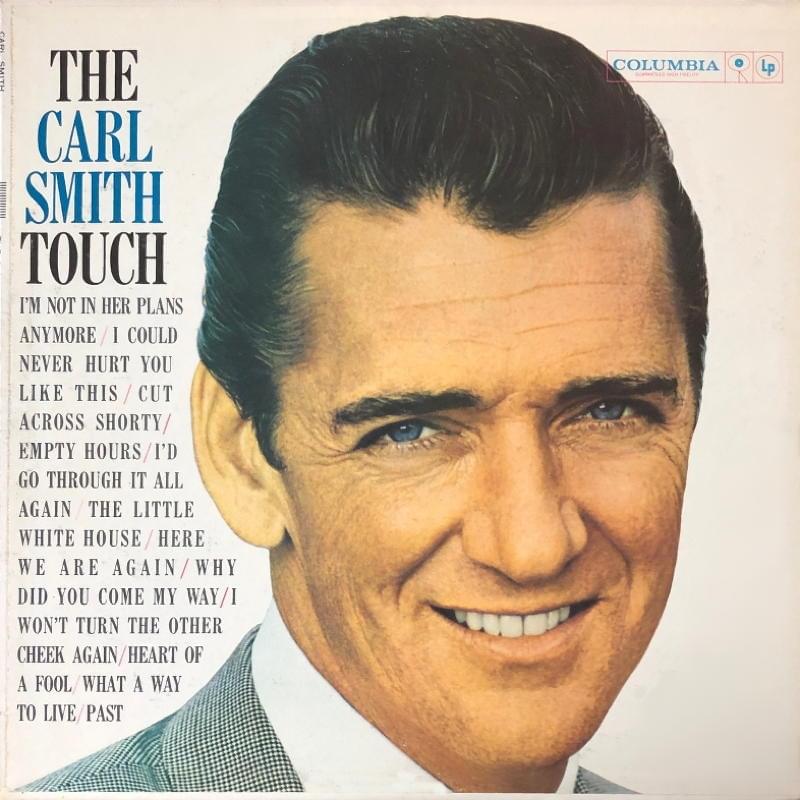
Carl Smith's "Heart Of A Fool" isn't just a country lament; it's a brutally honest self-assessment dipped in the stark reality of romantic regret. The song meaning revolves around the aftermath of a colossal mistake: trading genuine affection for fleeting passion, only to find oneself utterly alone. Smith doesn't shy away from portraying himself as the architect of his own misery, repeatedly emphasizing the "fool" motif as a badge of dishonor. The rawness of the lyrics transcends simple heartbreak; it's the agony of realizing one's own lack of wisdom that truly stings. It's a psychological portrait of self-inflicted emotional damage. The cyclical structure of the lyrics, punctuated by the repeated plea to "Cry, cry, cry, cry / Heart of a poor fool cry on," mirrors the repetitive nature of regret itself. The foolishness isn't just a past action; it's a present state of being, a constant echo in the singer's mind. The song serves as a cautionary tale, delivered not from a place of moral superiority, but from the pit of personal experience. It's less about judging others and more about a man forced to confront his own flawed judgment.
Smith’s genius lies in transforming a personal failing into a universally relatable experience. We've all made choices we later regret, and "Heart Of A Fool" taps into that primal fear of irreversible error. The simplicity of the language amplifies the emotional impact. There are no elaborate metaphors or poetic conceits, just plain, unvarnished truth. The line, "Don't play with fire or you'll get burned fingers," isn't groundbreaking, but within the context of the song, it carries the weight of hard-won knowledge. It's the voice of experience speaking directly to the listener, warning against the seductive allure of short-term gratification.
Ultimately, "Heart Of A Fool" is a stark reminder of the consequences of impulsive decisions and the enduring power of regret. It’s a song that lingers long after the final note fades, not as a celebration of sorrow, but as a sobering reflection on the fragility of the human heart and the importance of valuing true love above fleeting desires. The song's true power resides in its unflinching honesty. Smith doesn't attempt to excuse his actions or soften the blow; he simply lays bare the consequences of his foolishness, offering a raw and vulnerable glimpse into the heart of a man undone by his own choices.
 View Artist