Song Meaning
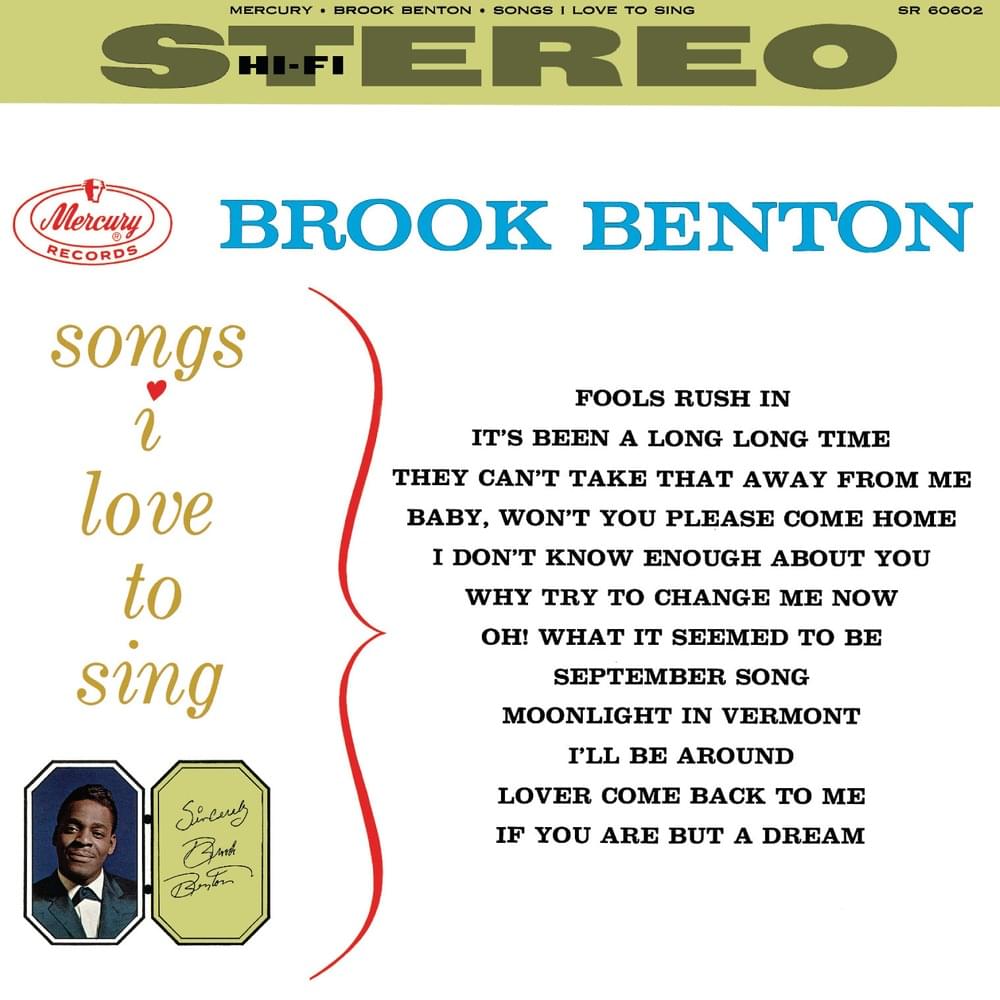
Brook Benton's "Why Try To Change Me Now" isn't just a plea; it's a quietly defiant manifesto for the beautifully flawed. In a world that demands conformity, Benton's narrator clings to his eccentricities with a stubborn tenderness. He's the guy who walks in the rain, lost in daydreams, leaving a trail of cigarette ashes and unanswered questions in his wake. These aren't character defects to be ironed out, but the very threads that weave the tapestry of his being. The song meaning resides in this embrace of the unconventional self. It's about resisting the pressure to sand down the edges, even when those edges provoke stares and whispers.
The narrator acknowledges the social cost of his individuality. The line “People talk, people stare, so I try,” hints at the internal battle between authenticity and acceptance. But the struggle is short-lived. He recognizes that conforming would mean watching his “kind of crazy world go passing me by." To change would be to lose the very essence of what makes him, him. This isn't arrogance, but a profound self-awareness, a recognition that his quirks are inextricably linked to his capacity for love and connection.
Ultimately, “Why Try To Change Me Now” becomes a love song with a twist. It's an appeal to be loved not in spite of imperfections, but because of them. He reminds his lover, "Don't you remember I was always your clown?" suggesting that his unique brand of oddness is part of the charm, part of the foundation of their bond. The finality of “I am too forgone and it’s too late / To try to change me now” isn't resignation, but a quiet act of self-preservation. It’s a declaration that love, to be true, must accept the whole person, quirks and all. Brook Benton delivers not just a song, but an enduring statement on the power of authentic selfhood.
 View Artist